


Red Light Therapy for Muscle Recovery: What Human Studies Actually Show
Oct 15,2026 | LumHarbor
Red light therapy for muscle recovery — Quick Answer
Human studies offer some encouraging findings, but red light therapy for muscle recovery does not have one established effect across soreness, strength and whole-body devices. Reviews report improvements in selected measures after exercise, while small study pools, varied methods and incomplete certainty information limit the conclusions. Feeling less sore, producing more force and showing a change in a blood or heart-rate measure are different results. Evidence from a local treatment also does not automatically apply to a consumer panel or bed. These studies do not establish a universal session length, treatment schedule or return-to-training rule. Evaluate the exact intervention, comparison and outcome before treating a recovery claim as useful buying or training advice.
What does “recovery” mean in a study?
The first question to ask about red light therapy for muscle recovery is what the researchers actually measured. A claim can sound broad even when the experiment answers a narrow question.
Delayed-onset muscle soreness, or DOMS, commonly follows unfamiliar or demanding exercise. It develops after the activity rather than necessarily during it. That context matters: exercise-related soreness is not interchangeable with an injury diagnosis. The Cleveland Clinic’s DOMS guide explains the distinction and symptoms that deserve assessment.
| Outcome | What it measures | What it cannot establish by itself |
|---|---|---|
| Self-reported soreness | How painful or sore someone says they feel | Restored strength or repaired muscle |
| Pressure-pain testing | Sensitivity when pressure is applied under a test procedure | The same experience as everyday soreness |
| Strength or exercise performance | Force, torque, repetitions or a particular task | Recovery across every sport or activity |
| Biochemical markers | Changes in a sampled substance, such as creatine kinase | A noticeable benefit or readiness to train |
| Heart-rate variability | Variation between heartbeats, used to study autonomic activity | Direct evidence of muscle repair |
Even a statistically significant difference needs context. Its size, consistency and relevance to the person exercising determine whether it is practically useful. A favorable result on one measure cannot silently stand in for all the others.
For background on the terminology and the distinction between research and device claims, start with our red light therapy introduction.

What two recent soreness reviews report
Two recent reviews help explain both the interest in photobiomodulation and the uncertainty. Photobiomodulation, often shortened to PBM, is the research term used for these light-based interventions.
The 2025 review by Tsou and colleagues reported favorable findings for selected soreness and strength assessments. However, its quantitative evidence came from small pools: three studies contributed to its self-reported soreness analysis and four to its strength analysis. Differences between study results were substantial in the highlighted analyses, which makes a single generalized benefit harder to interpret.
Separately, the 2026 review by Zhao and colleagues reported favorable findings for self-reported soreness, pressure-pain testing and peak torque at selected assessments. Its abstract describes 13 studies and a search through April 2026. The full methods and outcome tables were unavailable for this article’s assessment, so the size and clinical importance of those findings cannot be established here. The abstract says GRADE was used to assess certainty but does not give the ratings.
| Review | What it contributes | Main interpretation limit |
|---|---|---|
| Tsou, 2025 | Selected favorable soreness and strength findings, with accessible methods and tables | Small quantitative pools, substantial heterogeneity and reporting inconsistencies |
| Zhao, 2026 | A more recent, separately attributed summary covering several DOMS measures | Full methods, effect magnitudes and actual certainty ratings were unavailable |
The reviews report different patterns across assessment times. Those patterns should not be joined into a continuous recovery curve or converted into a schedule for using a device. A measurement time is not necessarily a treatment time. Nor can the two review counts be added together as if they represented entirely separate groups of trials.
These findings justify continued investigation. They do not establish when an individual will feel better or be ready for another hard session.

Does local research apply to a panel or bed?
For shoppers considering red light therapy for muscle recovery, the delivery method is a central question. A treatment directed at a particular muscle, a whole-body exposure and a combined intervention can answer different questions.
A 2025 whole-body PBM review did not establish exercise-performance or recovery benefits from the studies it assessed. That broad review conclusion should be kept separate from individual study signals; its full methods were unavailable here, so this article cannot explain exactly how it handled every endpoint.
In a 2020 whole-body bed study, 12 men took part, and the main biochemical comparisons did not show statistically significant differences. The small sample and absence of a credible participant sham limit interpretation. Nonsignificant findings do not prove equivalence or show that every bed is ineffective. The trial also disclosed an author’s employment relationship with the device company.
A 2023 whole-body study involving 48 active adults reported an improvement in a next-morning heart-rate variability measure, alongside no significant improvement in the reported performance or perceived-recovery measures. The autonomic finding deserves its own description; it does not establish faster muscle repair or clearance to resume training. A complete full-text appraisal was unavailable for this article.
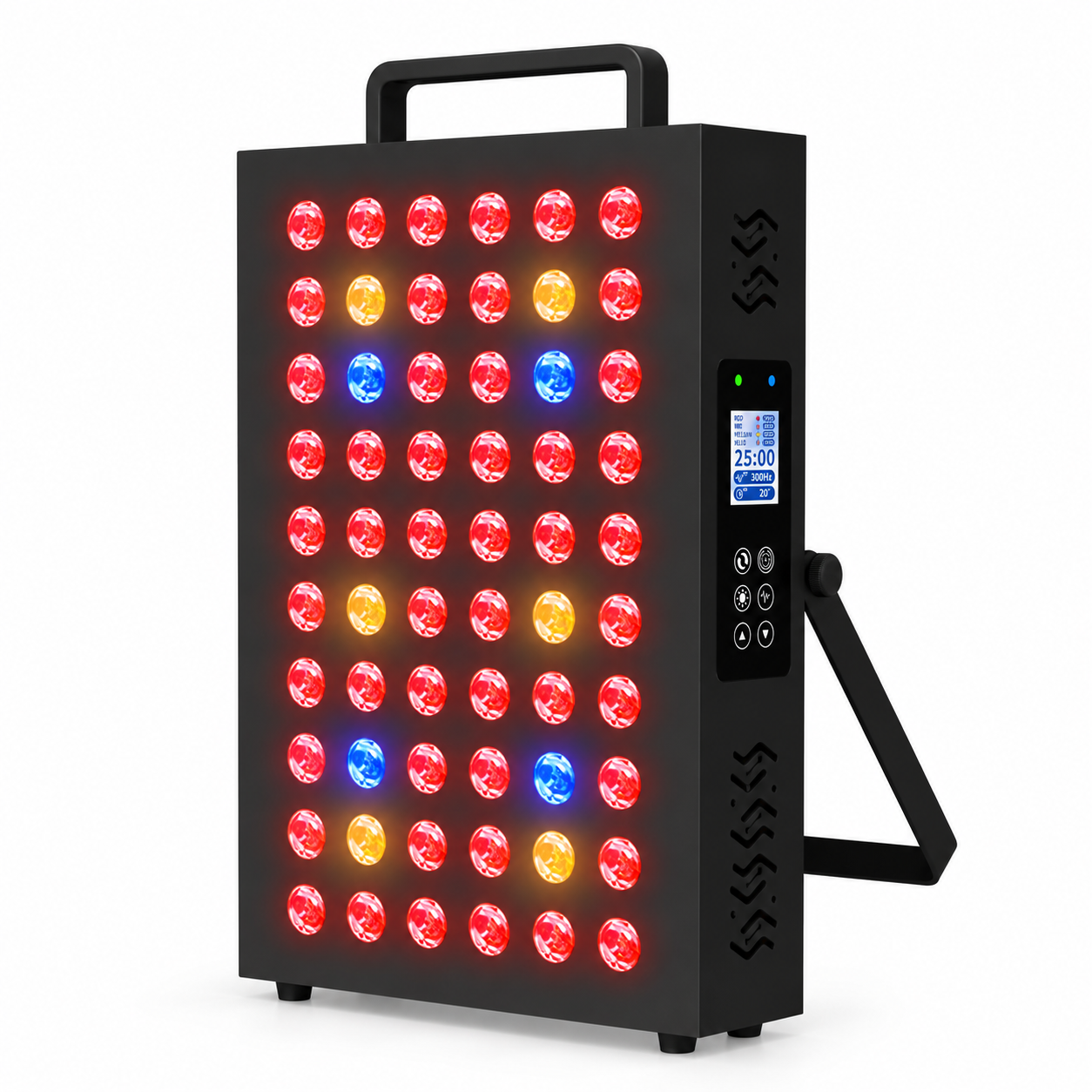
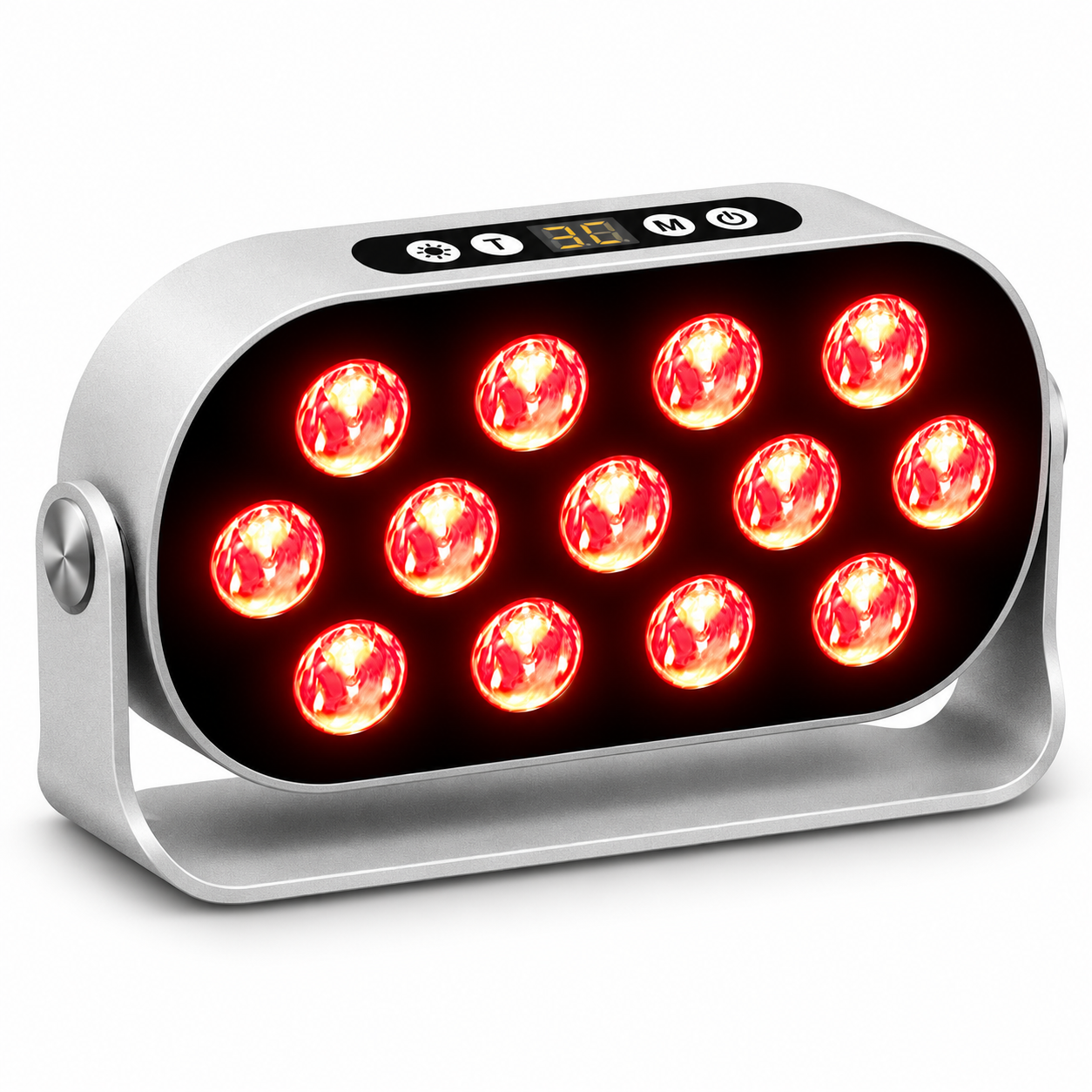
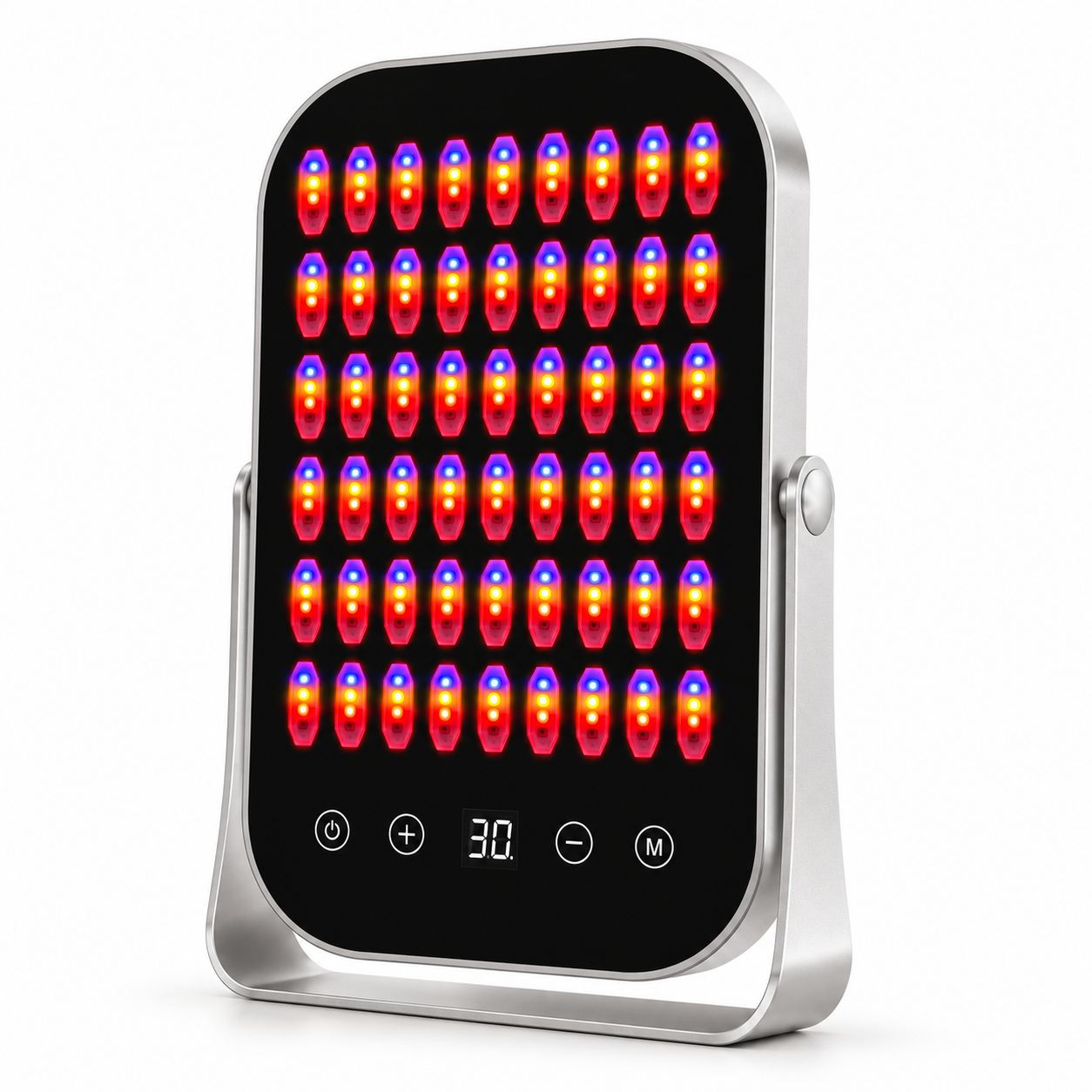
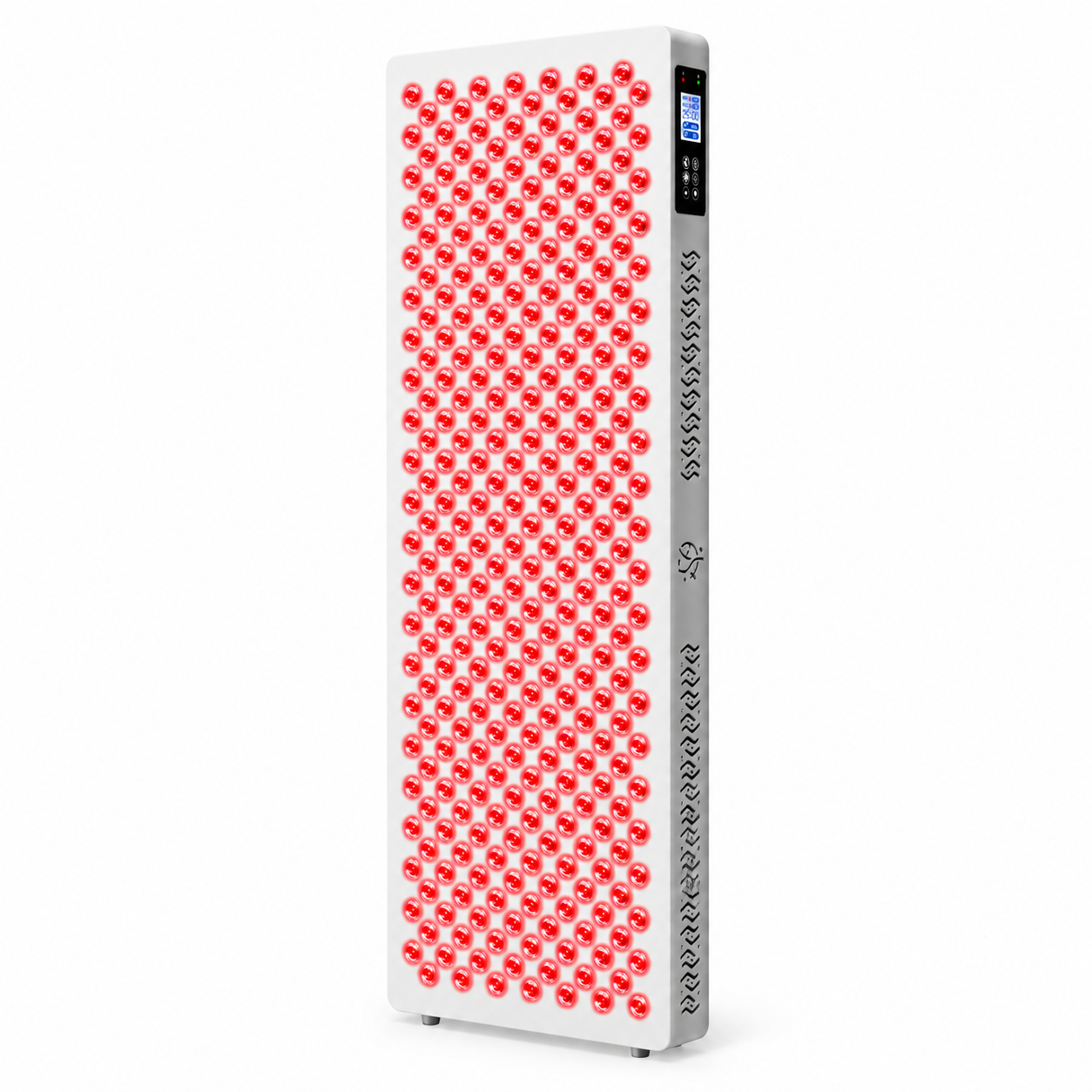
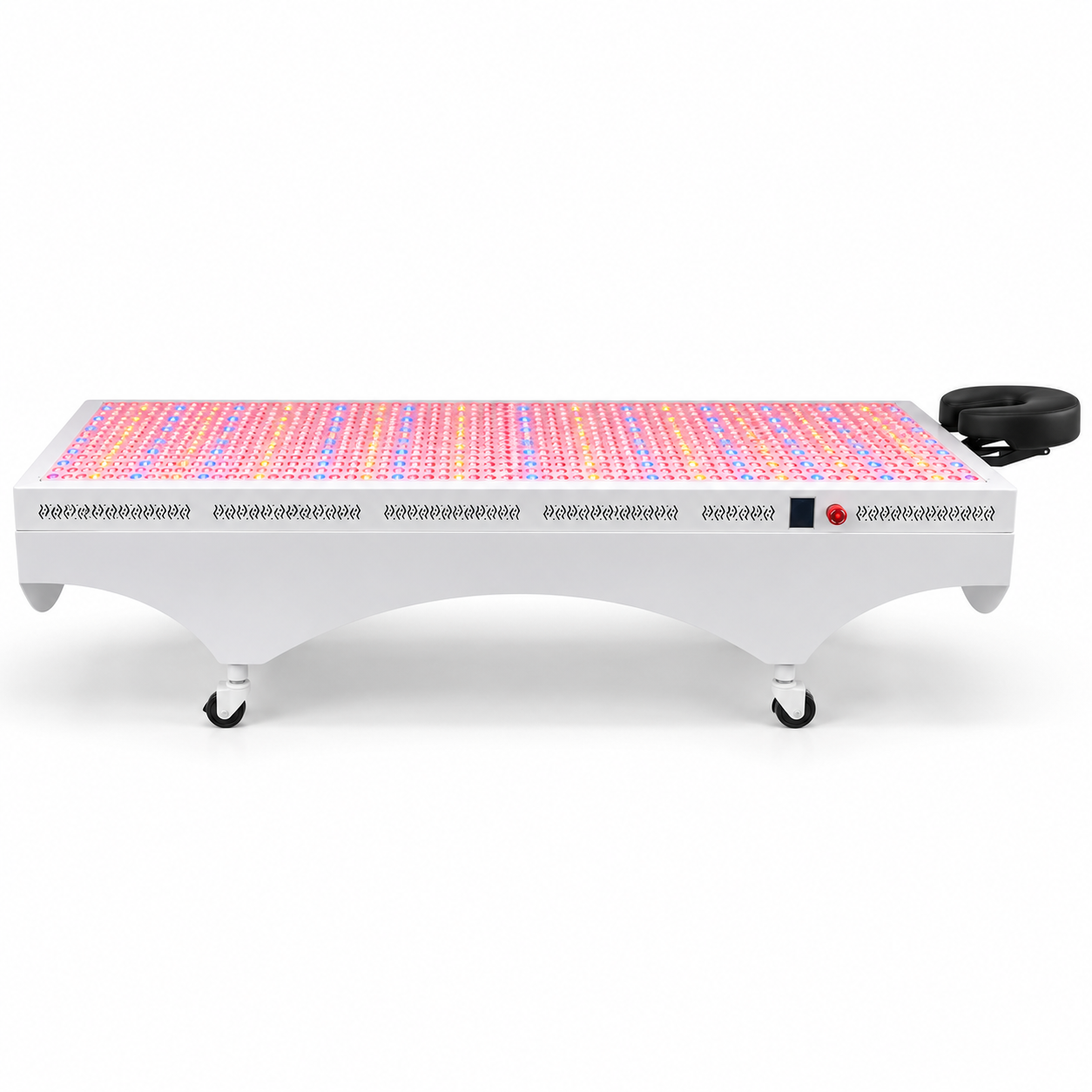
Our red light therapy bed guide explains the equipment format. Coverage and lying-down convenience are useful practical distinctions, but neither establishes a larger recovery benefit.
Combined treatments need their own label
A 2026 CrossFit study tested local PBM together with a static magnetic field in 12 men. Its primary one-hour jump-performance comparison was not significant, while some later secondary assessments were favorable. The small crossover study, lack of a sham treatment and industry-linked disclosures call for caution.
Because the intervention combined two components, those results do not isolate a light-only effect. They also do not validate a consumer panel or whole-body bed. When judging red light therapy for muscle recovery, keep the tested treatment intact rather than replacing it with a more familiar product category.
Can the research supply a home routine?
The evidence assessed here does not establish a universal routine for red light therapy for muscle recovery. Study protocols differ, and the available reports do not supply a validated conversion from a research treatment to an arbitrary home device.
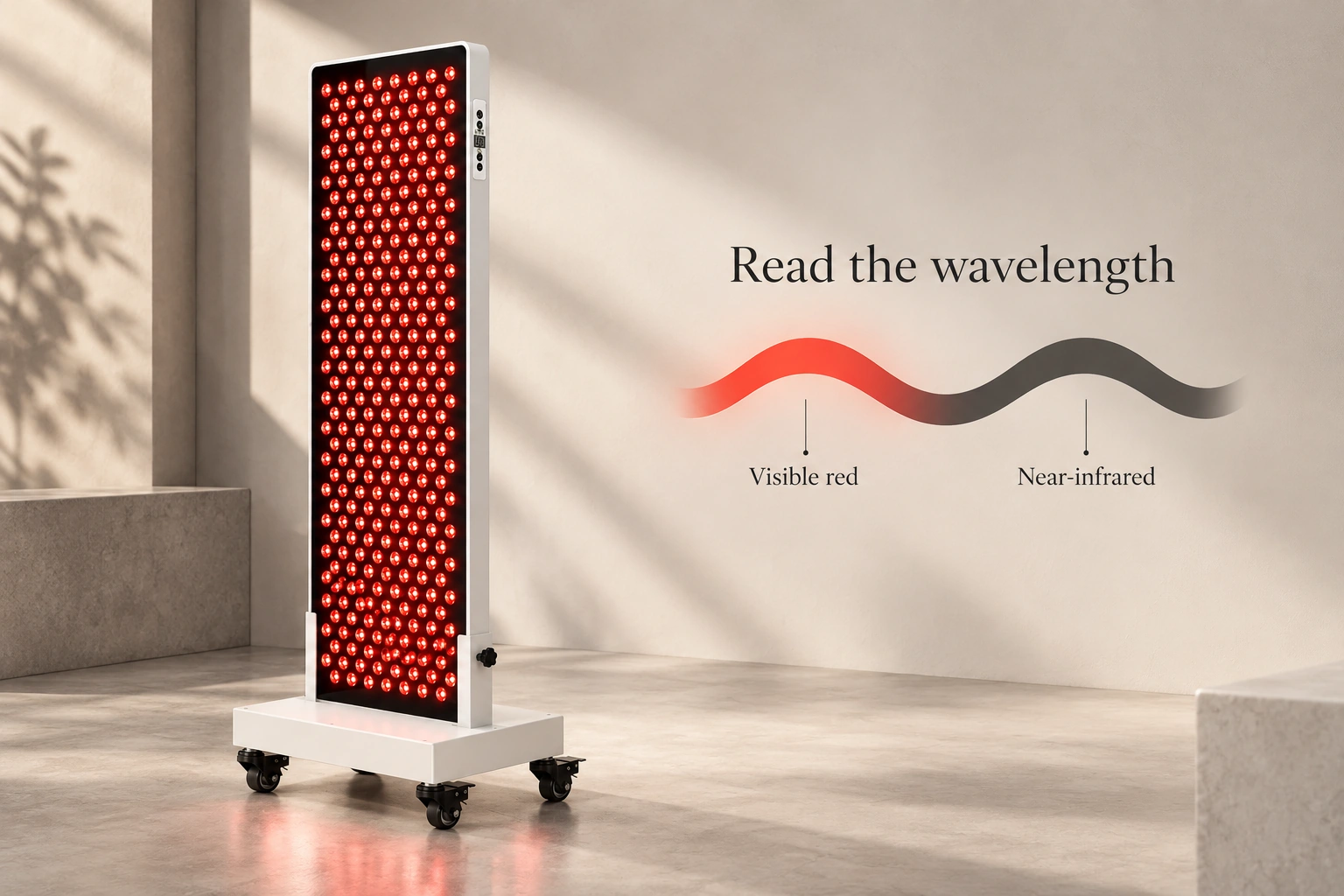
Wavelength labels, LED count, electrical power and treatment area are not enough to reproduce an exposure. A study’s assessment window cannot tell you when to switch on a panel, and a positive result cannot tell you that a longer session would be better. No particular LumHarbor model was validated by the evidence discussed in this article.
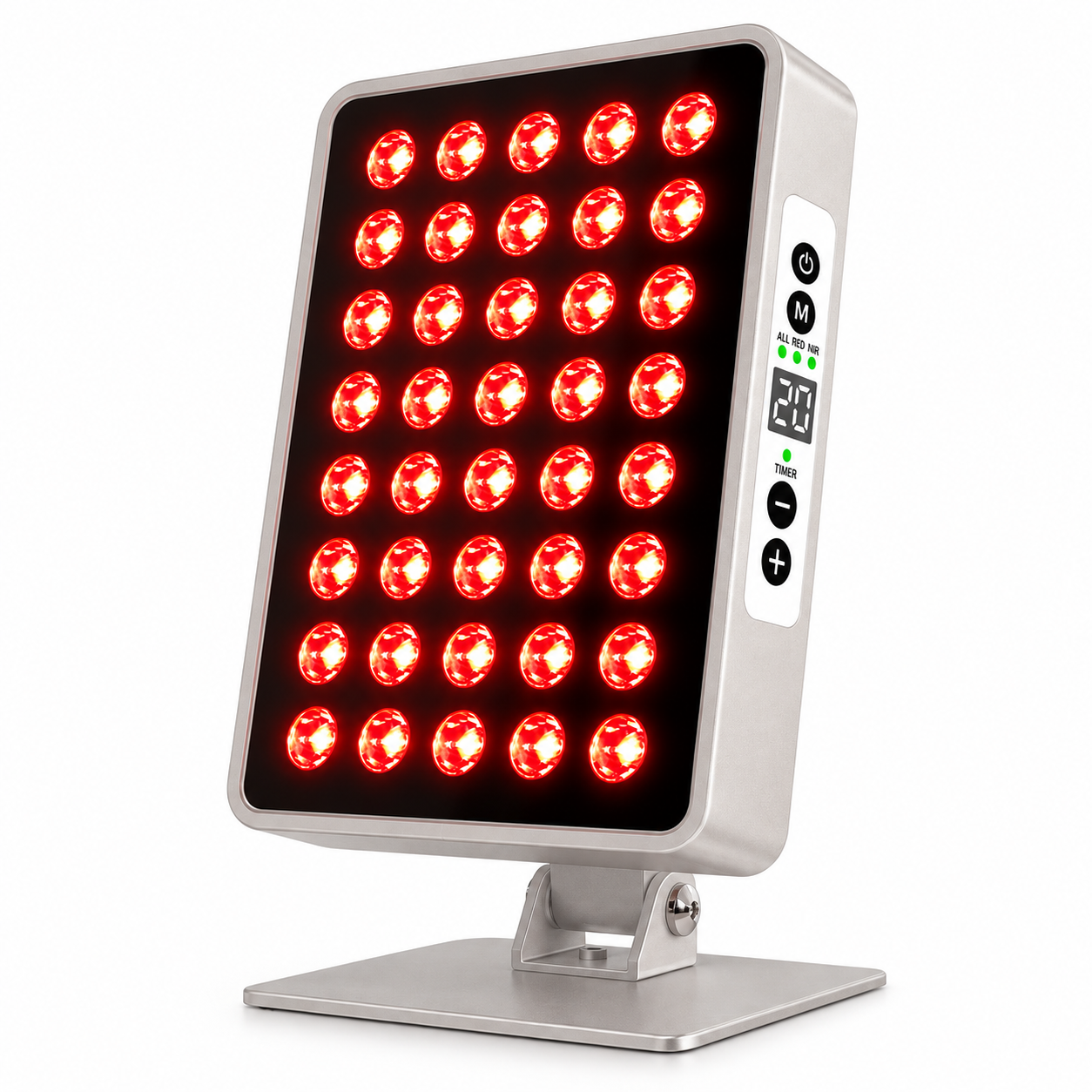
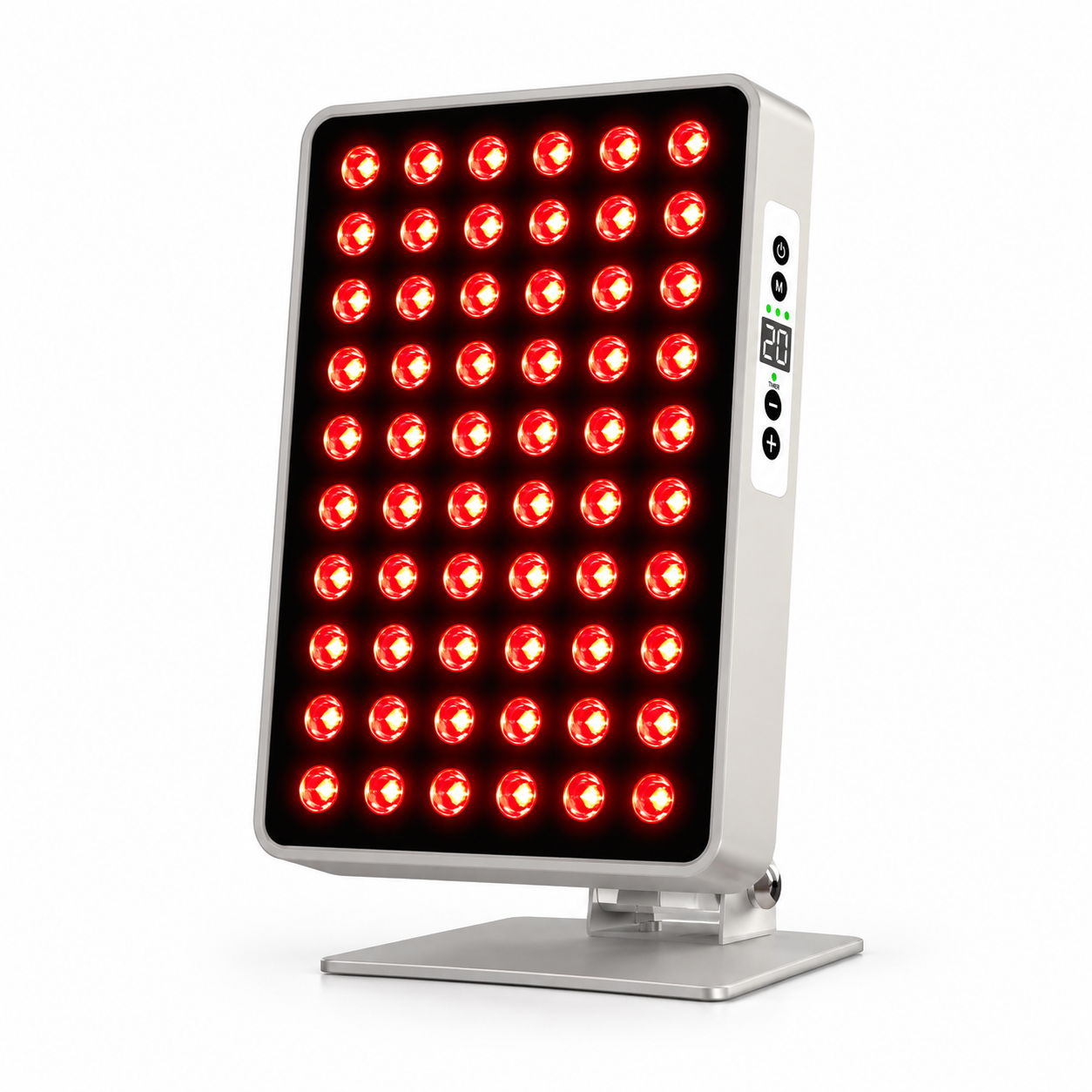
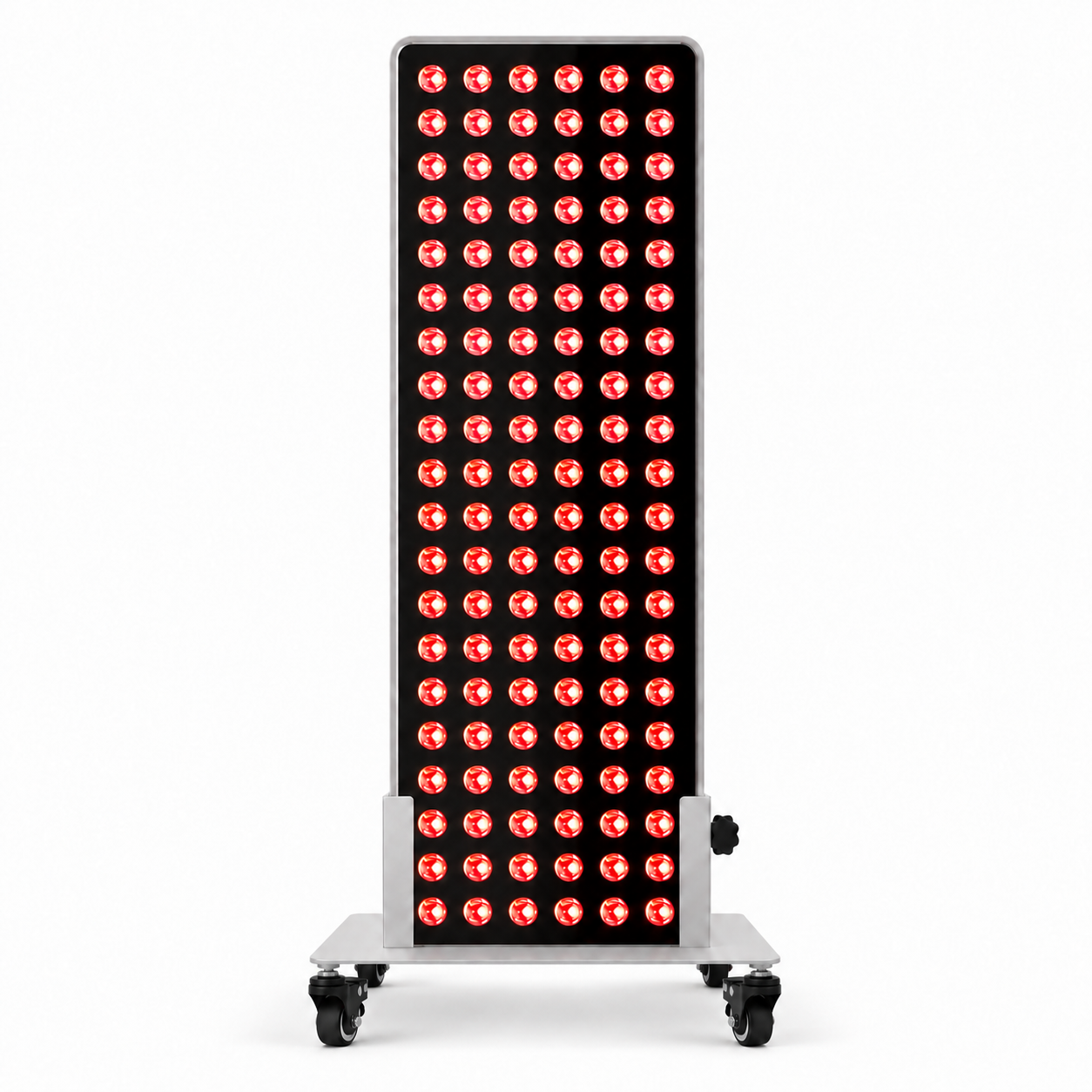
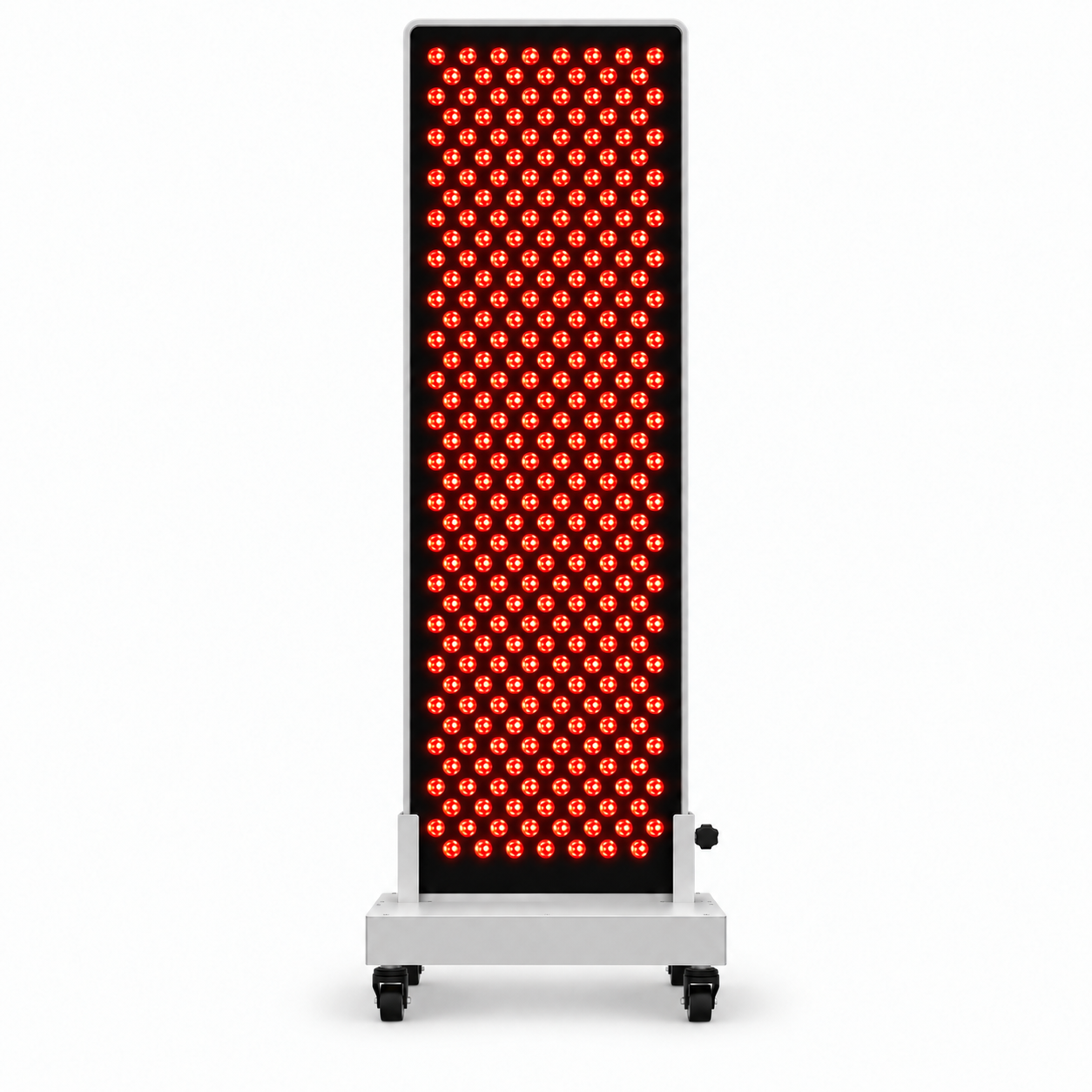
If you are comparing equipment, our panel selection guide covers the documentation and practical questions to ask. Use the exact device’s instructions for operation rather than borrowing a published experiment’s session length.
What would count as a useful result for you?
Before trying red light therapy for muscle recovery, be specific about the change you hope to notice: less soreness, a particular exercise task or something else. Keep those outcomes separate when interpreting your experience.
A diary can help describe what happened, including changes in training, sleep or other recovery habits. It cannot establish that the light caused the change. Soreness often improves over time, and an unusually hard session can make comparisons misleading. A wearable reading should not become a substitute for symptoms, function or an appropriate assessment.
Device precautions still apply. The American Academy of Dermatology’s red light guidance supports following the specific device directions and discussing photosensitivity concerns or relevant medicines with a clinician. Its home skin-device guidance does not certify whole-body sports use. Follow specified eye protection, and consult our panel safety guide for the practical questions to check.
Severe or persistent pain, severe swelling, or dark or bloody urine should not be dismissed as ordinary DOMS. Seek medical assessment rather than using a recovery device to push through those symptoms.
Frequently asked questions
Does feeling less sore mean my muscles have recovered?
Not necessarily. Soreness is one outcome; strength, task performance and tissue status are different questions. Reduced discomfort alone is not a return-to-training clearance.
Is a bed better than a panel for exercise recovery?
The evidence assessed here does not establish that ranking. Equipment format changes positioning and coverage, while a comparative recovery claim requires relevant head-to-head evidence.
Should I use light before or after exercise?
Research on red light therapy for muscle recovery does not establish one before-or-after rule for all devices and users. Keep study assessment times separate from application times, and follow the actual product instructions rather than constructing a routine from selected positive findings.
Can I use these findings for a muscle injury?
This article concerns exercise-related recovery research. It does not establish treatment for an injury, explain the cause of persistent pain or provide a return-to-sport decision. Those require an appropriate assessment.