



Red Light Therapy vs Infrared Sauna: Understanding Light, Heat, and Evidence
Oct 15,2026 | LumHarbor
Red Light Therapy vs Infrared Sauna — Quick Answer
The main difference is the intended exposure: photobiomodulation delivers defined light, while an infrared sauna is designed for heat exposure. A PBM device can still feel warm, and infrared radiation is itself light; the categories are not separated simply by whether warmth is present. If you want a heat-focused experience, examine the sauna’s heating functions and directions. If you are considering a specific PBM exposure, examine its optical specifications and evidence. For a health goal, neither label identifies a proven winner. Compare the actual equipment, your practical requirements and relevant suitability advice. Combined functions need their own documentation and do not establish extra benefit.
Red light therapy vs infrared sauna: what is delivered?
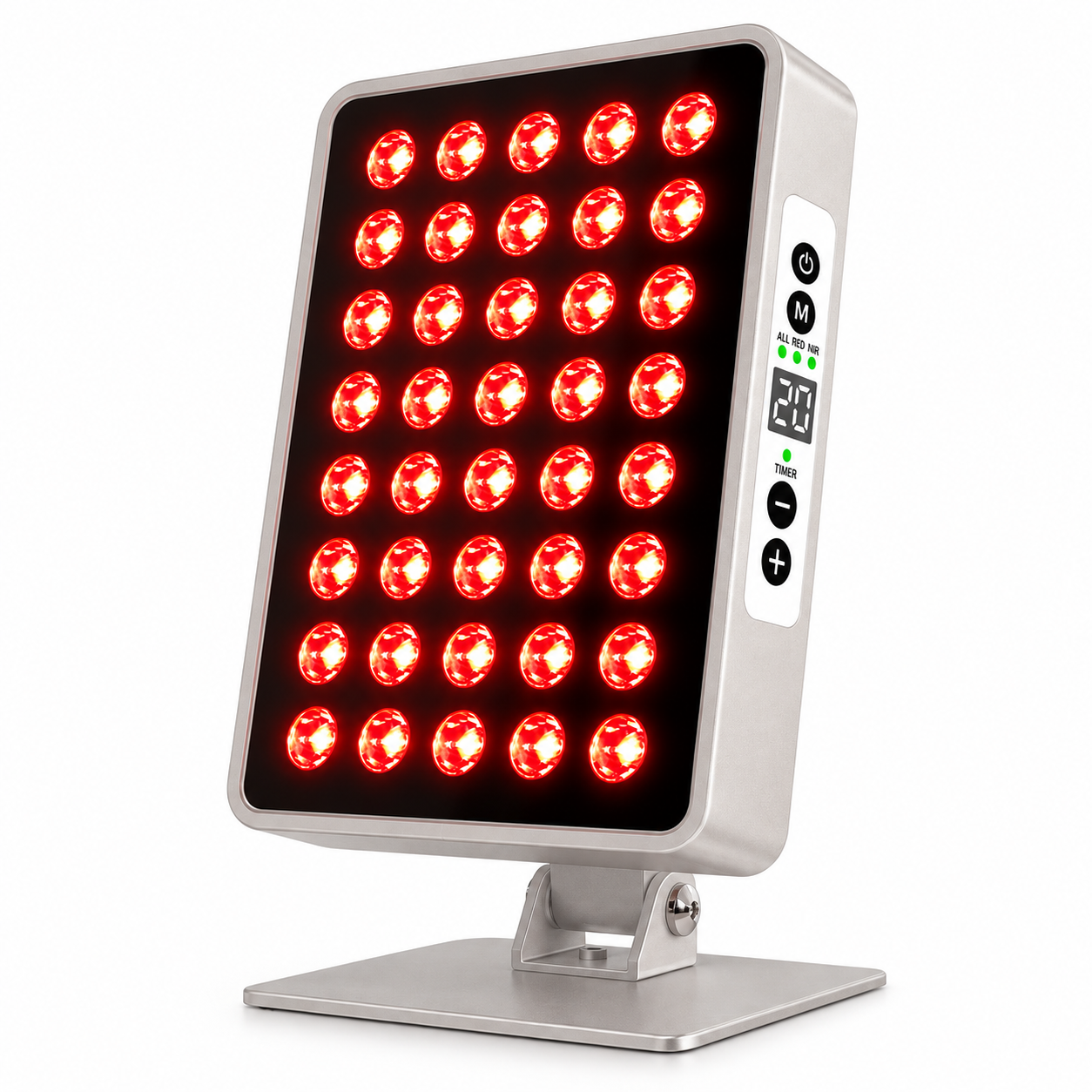
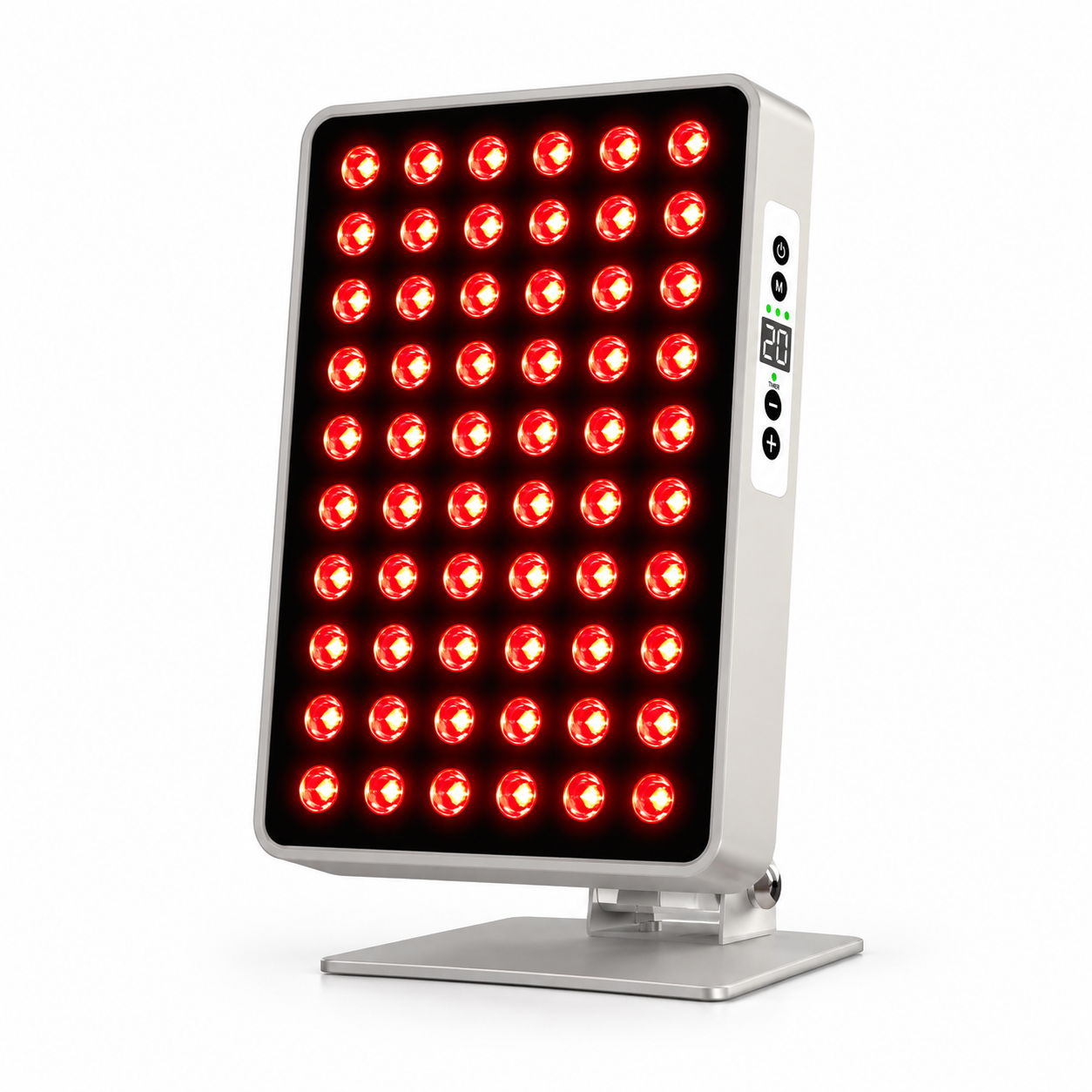
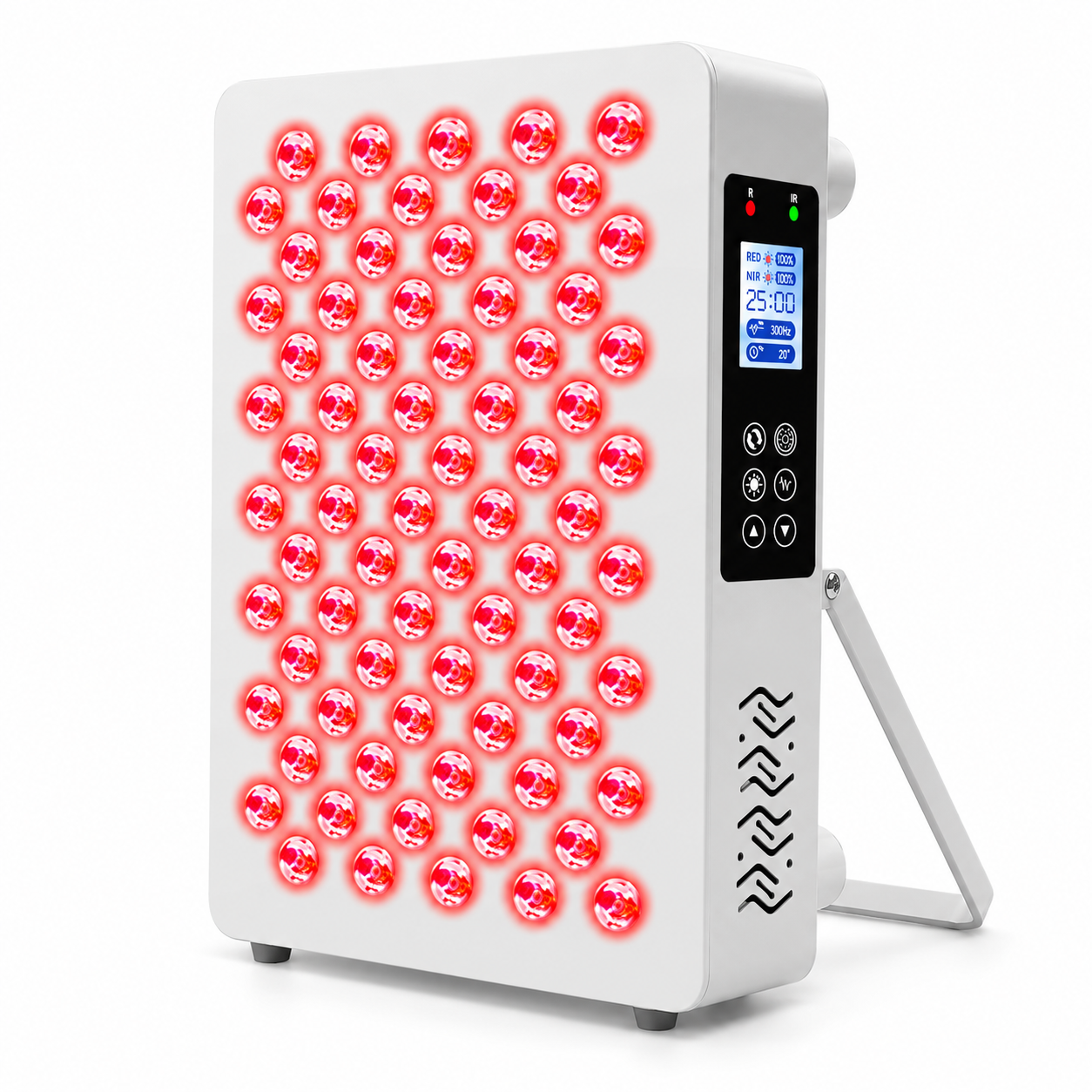
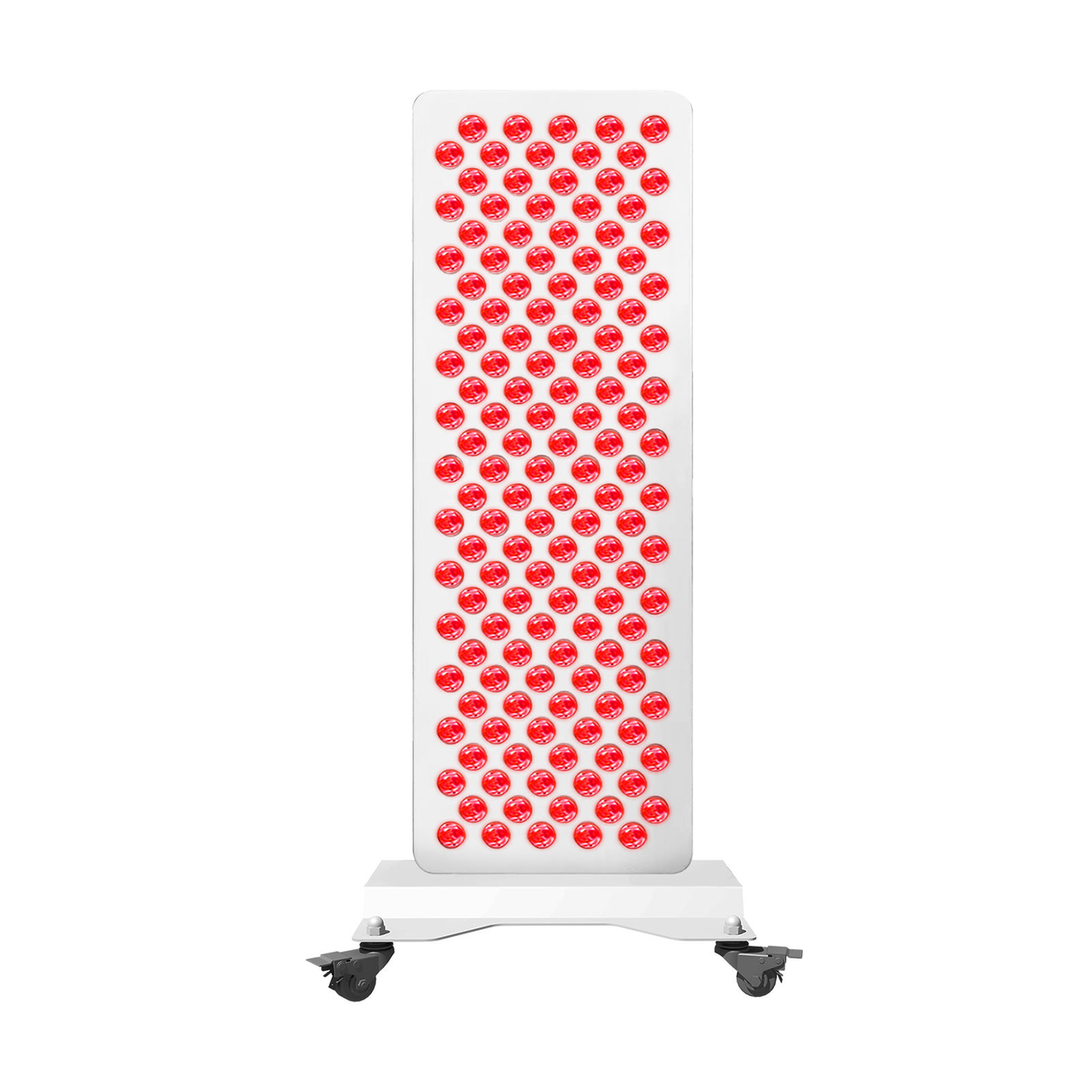
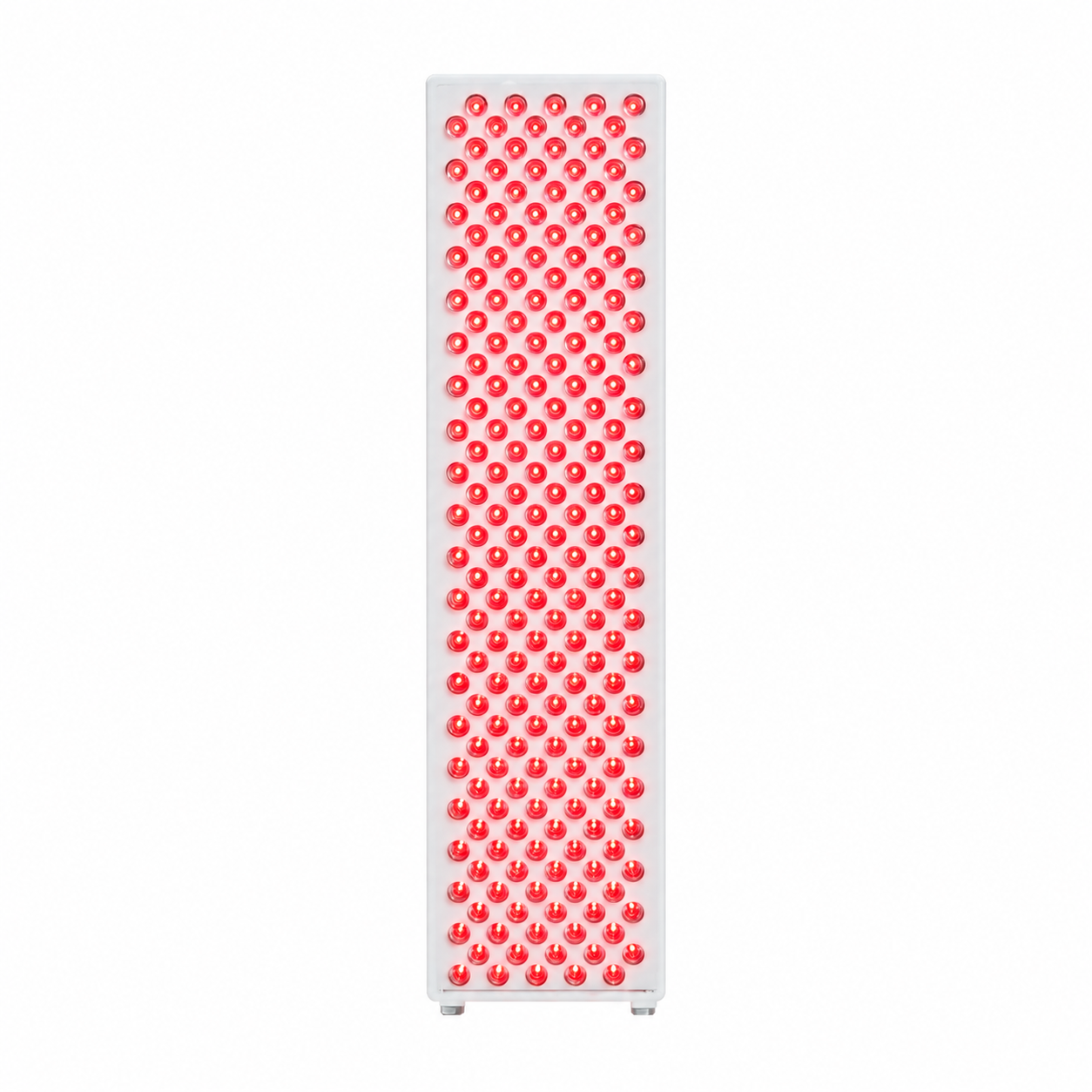
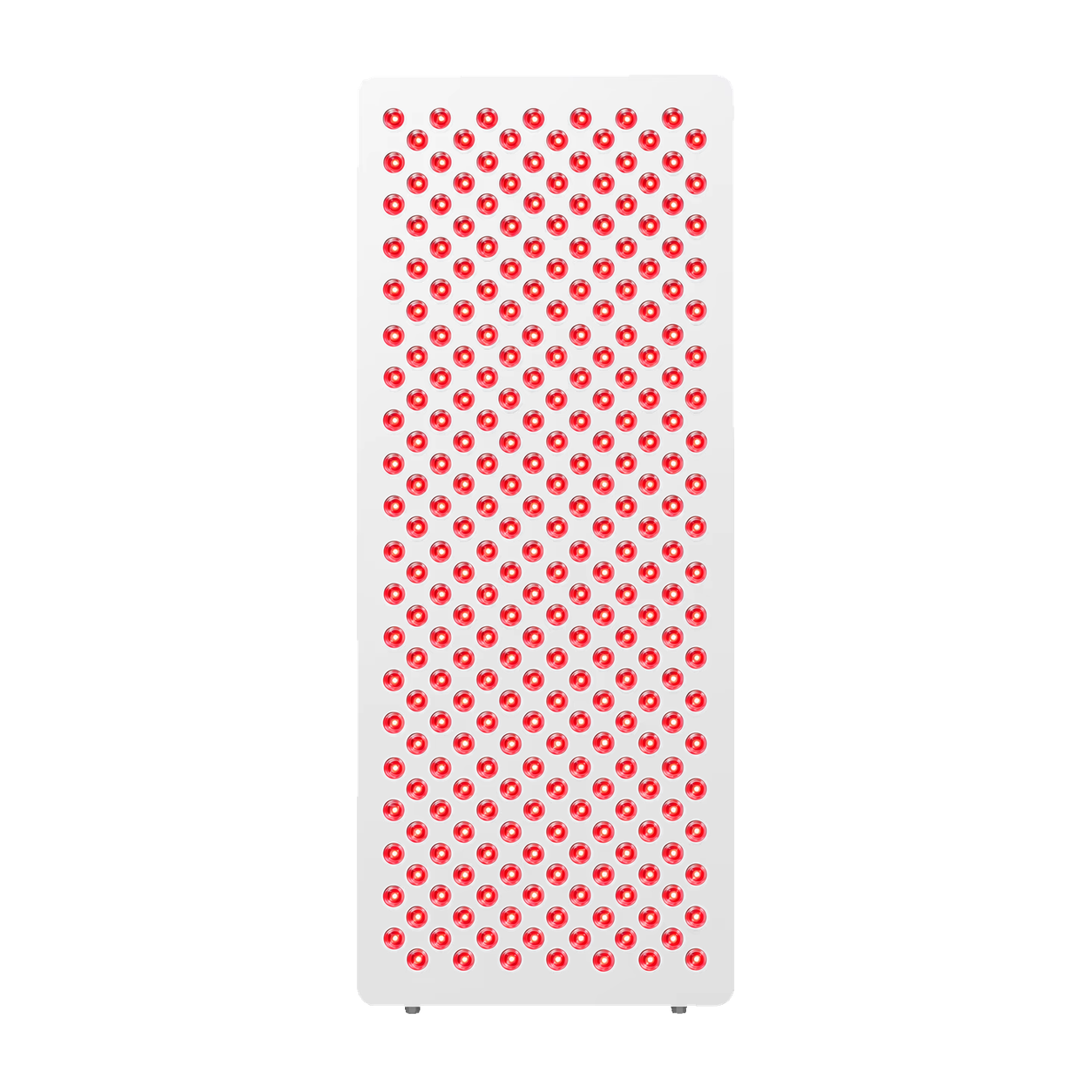
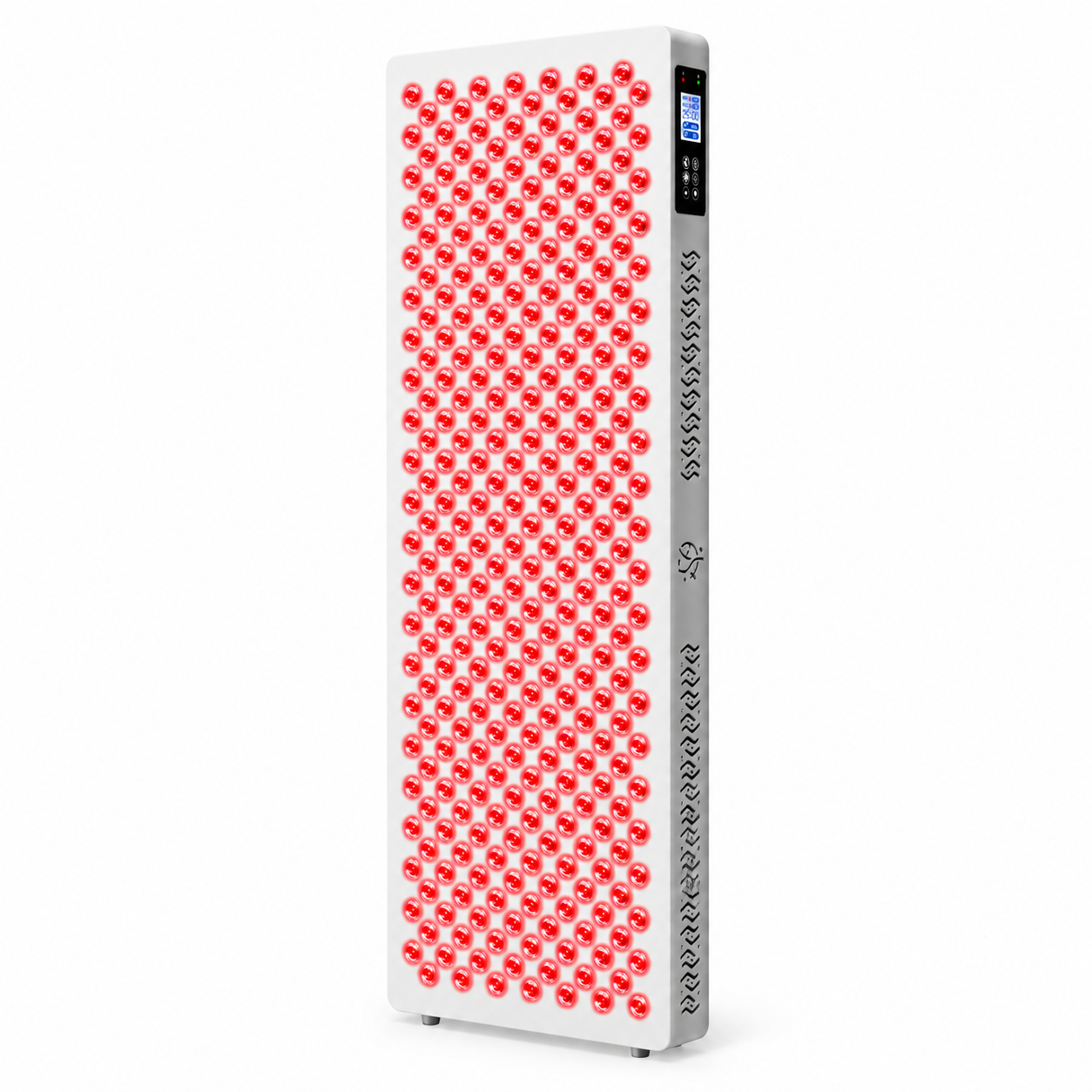
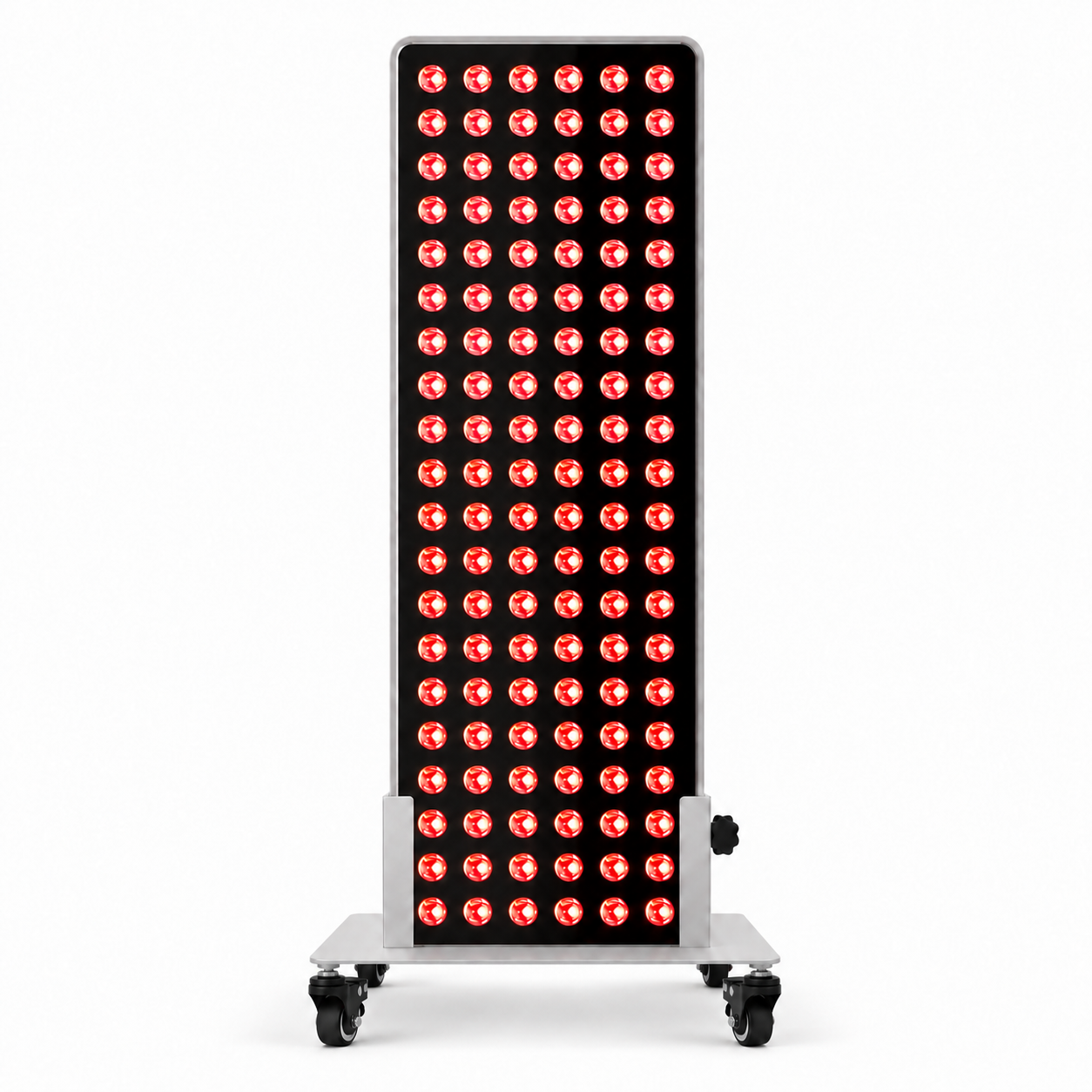
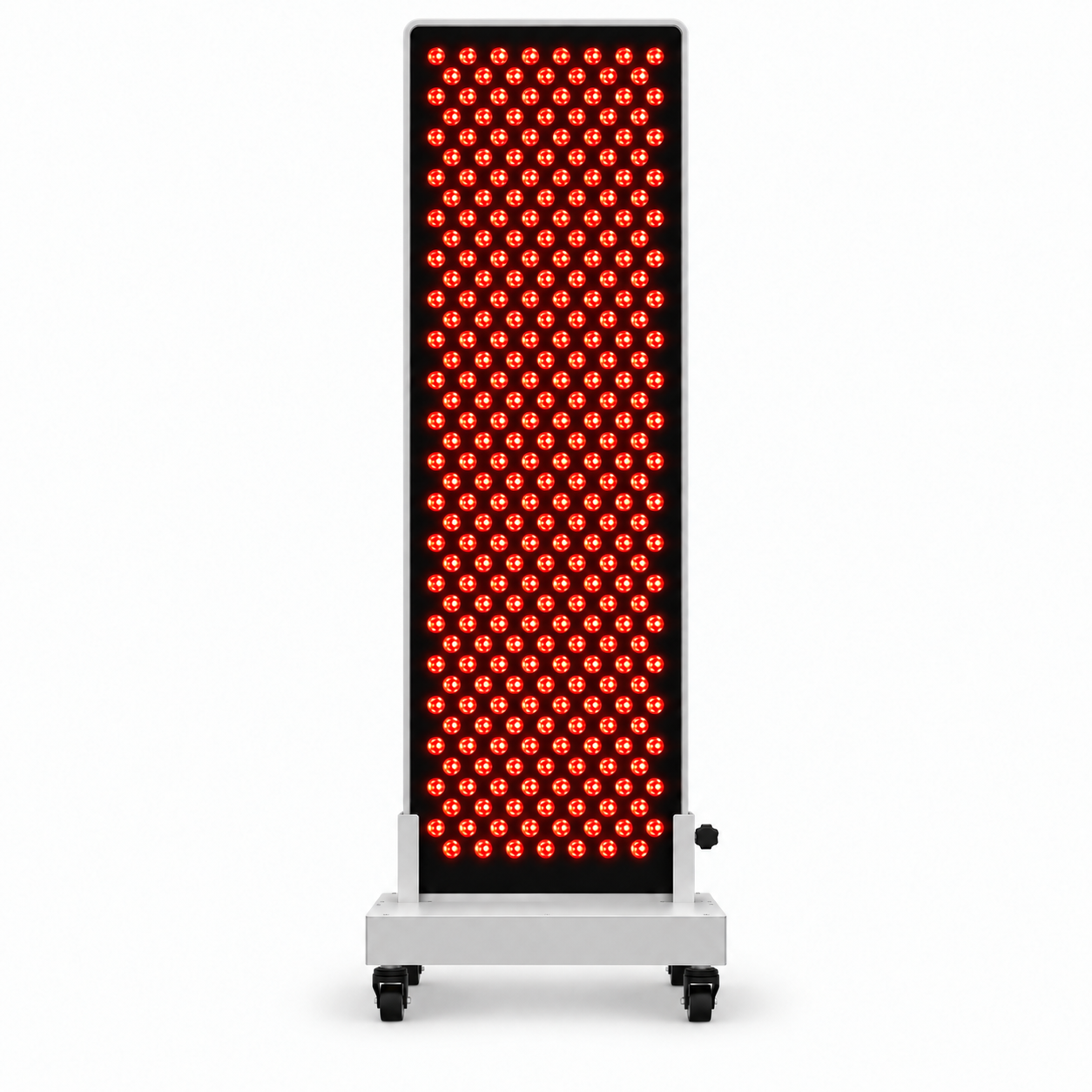
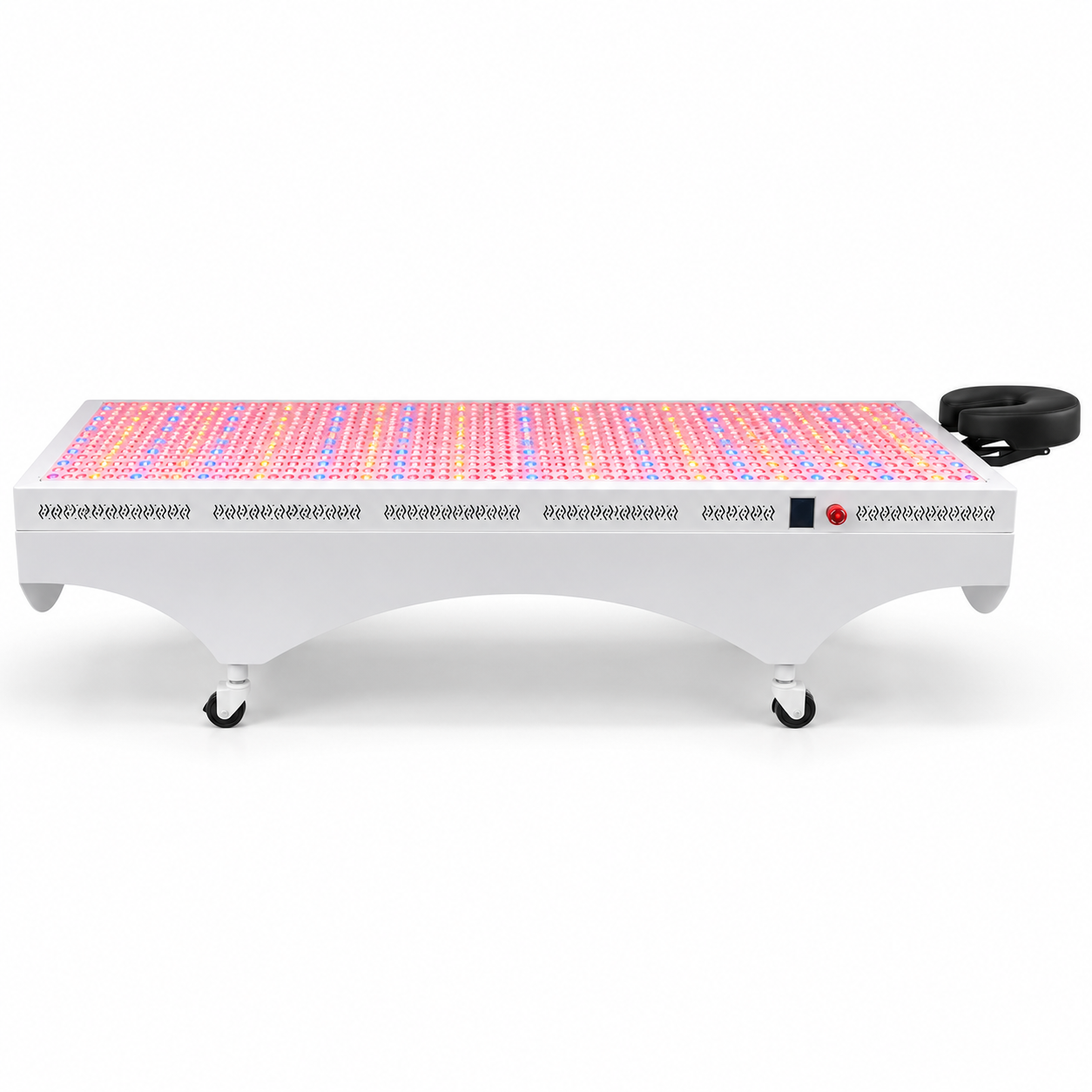
Start with the experience you are looking for, then identify how the equipment delivers it. PBM specifications describe light delivery; sauna specifications describe a heating system and its exposure conditions. A panel, bed or cabin is a physical arrangement, so check the functions rather than deciding from its shape.
An editorial examining sauna and photobiomodulation makes this design distinction while acknowledging that PBM can involve heating. Its discussion of possible shared mechanisms and combination benefits is hypothesis, not proof that the interventions produce the same clinical results.
| Practical question | Red-light/PBM equipment | Infrared sauna |
|---|---|---|
| What is the intended experience? | A defined light exposure; warmth may occur. | Heat exposure from the sauna system. |
| What equipment arrangement should I check? | Panel, bed or another format; supported positioning and access. | Cabin or other sauna format; installation and access documentation. |
| Which information describes exposure? | Wavelengths, irradiance, receiving position, operating mode and duration. | Heating conditions and duration; distinguish settings, air and body temperatures. |
| What supports a health claim? | Human evidence matching the intervention and outcome. | Human evidence relevant to the sauna type and outcome. |
| What if the product combines functions? | Identify the optical component and its directions. | Identify the heating component and directions for the complete system. |
Use these distinctions to identify the equipment and documents relevant to your goal. For general PBM background, see our red light therapy introduction.

Which option matches what you are looking for?
A heat-focused experience: Start with the sauna’s documented heating functions, installation needs and permitted use. The practical question is whether that complete system suits your space and circumstances.
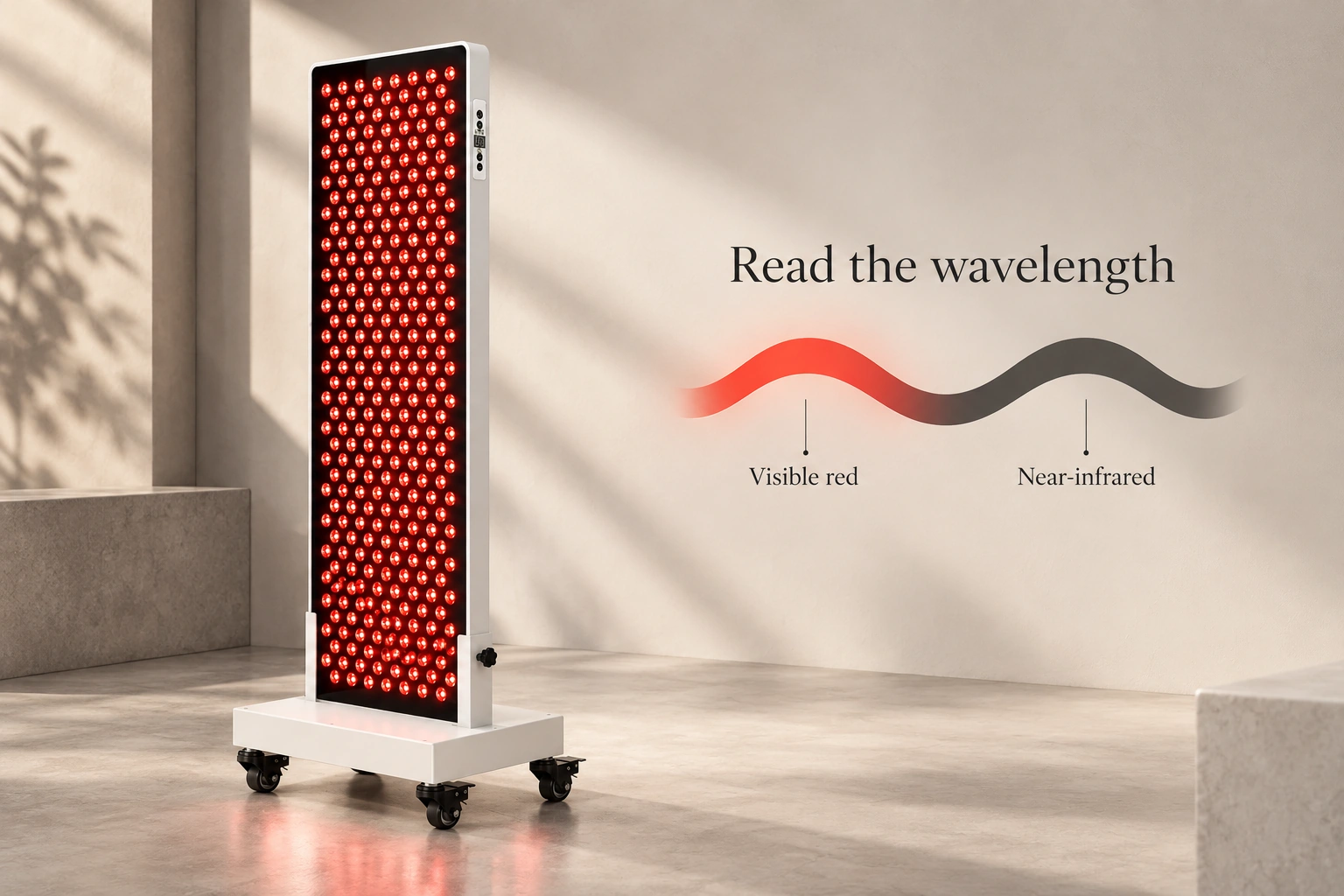
A particular light exposure: Start with the optical source, its measurement report and the supported positioning. A wavelength label is only one part of that description.
A specific health outcome: Check evidence for that outcome before choosing equipment. Convenience and preferred format can help you shortlist a system, but they do not determine its clinical effect. The research distinctions below explain why a general benefits ranking is premature.
“Infrared” does not identify a complete treatment
Infrared includes near-, mid- and far-infrared regions, as NASA’s spectrum explanation describes. A shared category name cannot tell you which wavelengths reach a user, how much exposure is delivered, or what outcome has been studied.
Likewise, visible red lighting does not establish a studied PBM intervention. Ask what the light source is intended to do and how its output is documented. A red appearance, a “full-spectrum” label or a wavelength list is only part of that information.
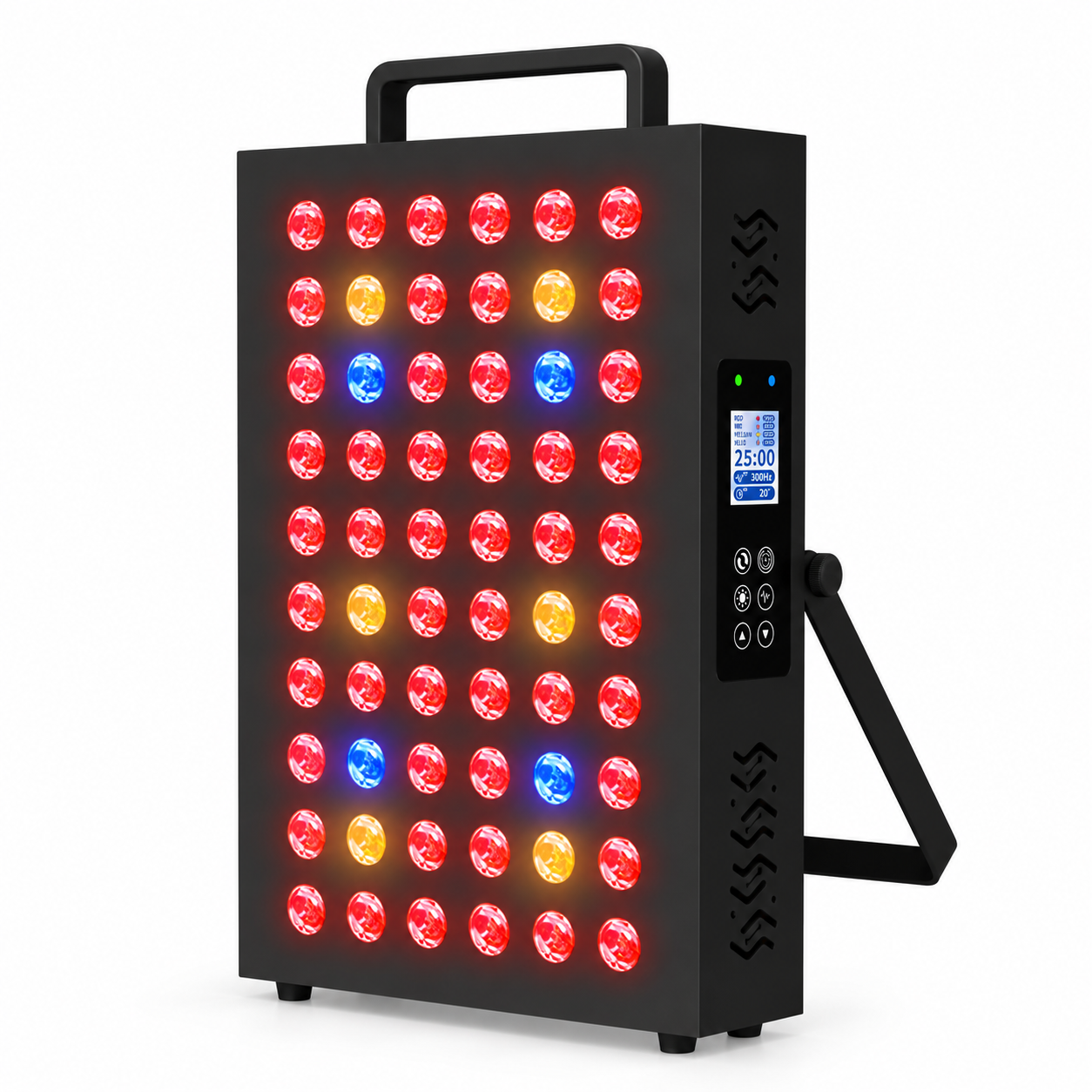
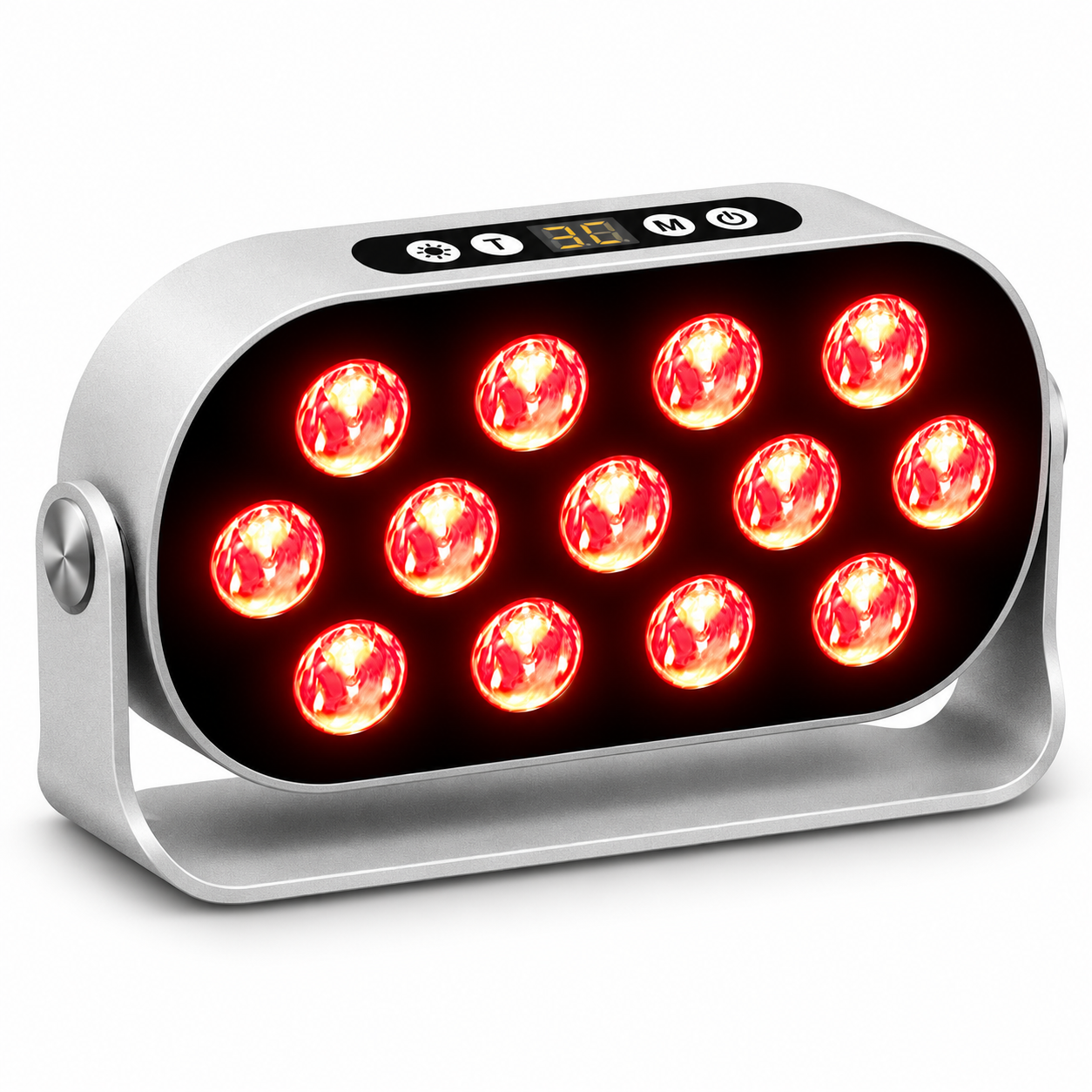
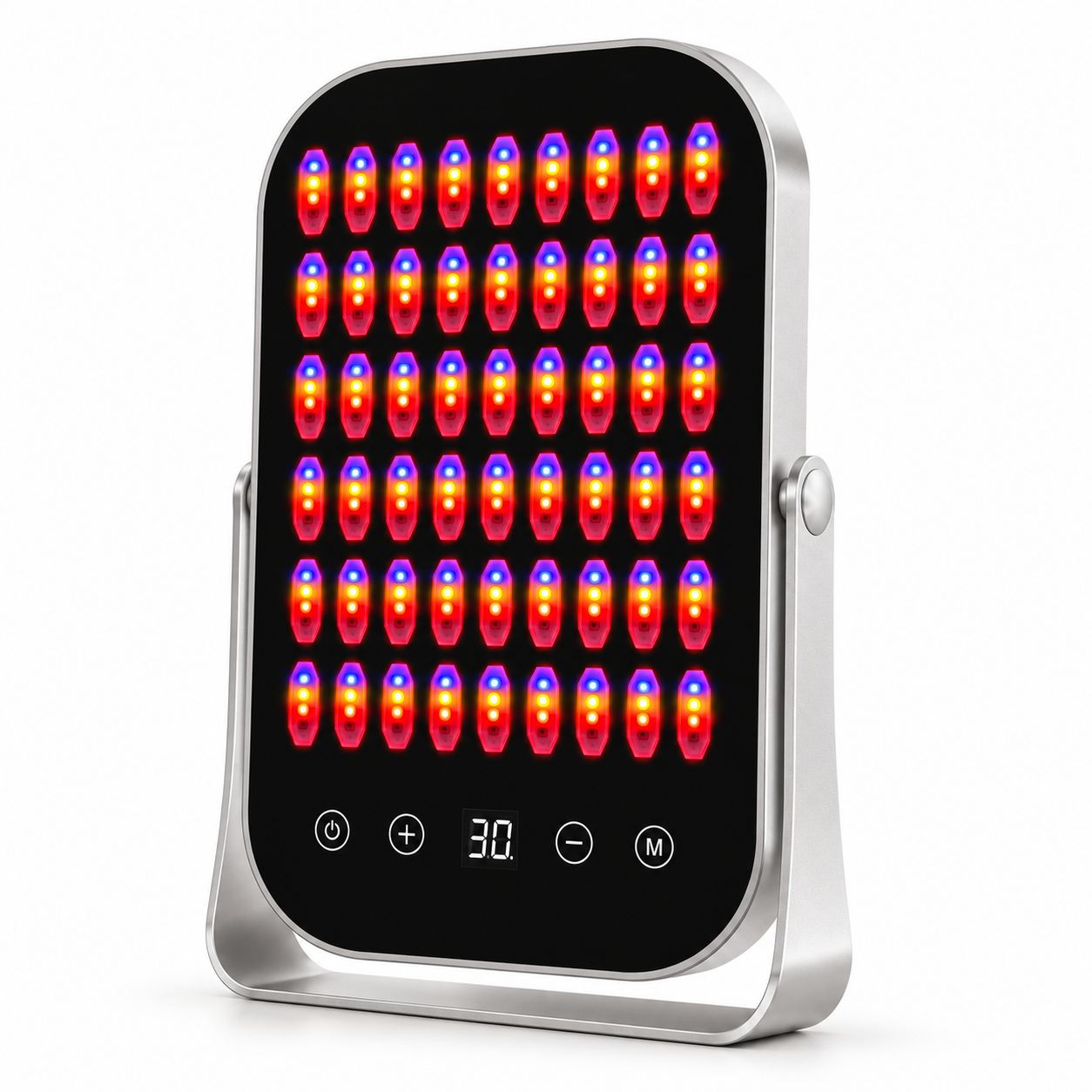
Physical format is another separate question. A panel, bed and cabin describe arrangements of equipment; they do not, by themselves, identify an equivalent exposure. Our bed-format guide explains why broad-area coverage should also be separated from evidence of benefit.
Feeling warm is not a measurement of effectiveness
Warmth does not establish a therapeutic light dose, and a bright red glow does not characterize all emitted light. Temperature and optical exposure describe different physical quantities. A thermostat setting, measured cabin air temperature, skin temperature and core temperature are also different observations.
Technical guidance on light measurement explains why source information must be connected to relevant target geometry and exposure conditions. Electrical consumption and LED count are not substitutes for that information.
Thermal findings also depend on the studied conditions. A 2025 comparison of passive heating methods reported little mean core-temperature change in its far-infrared condition. A separate 2026 far-infrared exposure study reported an increase under different conditions, alongside physiological strain. These small acute studies involved different participants and protocols; they do not isolate why the findings differed or establish a universal temperature threshold. The newer study used manufacturer-supplied equipment, and the authors reported no company role in conducting or interpreting it.
Those examples support avoiding “infrared sauna never raises core temperature” and “every infrared sauna produces the same response.” They do not show that a greater temperature rise means a better health result. The conditions used in a study are not instructions to reproduce at home.

How to assess a benefits claim
When a seller uses words such as “recovery,” “skin health” or “wellness,” ask which outcome was actually measured. A change in a physiological marker is different from less pain, better performance or a long-term health outcome.
Then check the intervention. Research using a local light device does not automatically validate a whole-body bed or a heated cabin. Research on traditional sauna cannot simply be relabeled as evidence for an infrared model. A systematic review of dry-sauna studies included several sauna types and described substantial differences in study design, protocols and outcomes.
Separate studies are not a head-to-head contest. Different populations, exposure timing, controls and endpoints prevent a simple winner from being selected. This article does not establish clinical superiority or equivalence between PBM and infrared sauna, and it does not validate a named LumHarbor model.
Combined equipment needs its own explanation
A system with both heating and red or near-infrared components has multiple functions. To assess a claim of added benefit, look for evidence that compares the combined intervention appropriately; improvement after several components does not isolate their contributions.
For practical compatibility, obtain directions for the complete configuration and its permitted environment, including temperature, humidity, mounting and electrical conditions. An integrated product does not establish that a stand-alone panel can be added to another sauna. Confirm that proposed use with the manufacturer rather than improvising a retrofit or combined routine.
Compare the actual equipment and your intended use
Before booking a session or purchasing equipment, resolve the questions that affect your own decision.
| Question | Useful information to obtain |
|---|---|
| What is the equipment intended to deliver? | Light exposure, heating, or separately identified combined functions |
| What is the claim I care about? | A specific outcome and evidence relevant to the population and intervention |
| How is the exposure described? | Optical measurements and conditions for light; clearly identified temperature measurements and conditions for heat |
| What use is permitted? | Current directions for the exact model and proposed configuration/environment |
| What personal concerns need advice? | Relevant health conditions, medicines, light sensitivity or heat-tolerance concerns |
For more detail on interpreting optical quantities and measurement conditions, see our panel selection guide. Its technical questions do not supply sauna operating directions.
Precautions also need context. Cleveland Clinic’s sauna guidance discusses dehydration, relevant medical concerns and leaving the sauna when unwell. The American Academy of Dermatology’s home-light guidance addresses light-sensitive skin conditions, medicines, exact-device directions and specified eye protection.
These are limited forms of advice for different settings, not exhaustive screening lists or proof that one option is safer overall. Follow the actual equipment’s directions and seek appropriate professional advice about your situation. Do not transfer a time, distance, temperature or sequence from another device or a research paper.
Frequently asked questions
How do the potential benefits compare?
The evidence assessed here does not establish one category as the better treatment overall. Compare findings for your intended outcome, including the studied equipment, population and protocol. Separate studies of different interventions cannot provide a reliable head-to-head ranking.
Does a red-light panel need to make me sweat?
Sweating is not a measure of a PBM device’s clinical effectiveness. Nor does a warm sensation verify its optical output. Read the device’s intended use and directions rather than using heat or visible brightness as a performance test.
Does near-infrared in a sauna make it equivalent to a panel?
A wavelength label alone cannot establish equivalence. Delivery, settings, position, exposure duration and accompanying heat may differ. Any claim of equivalent results needs evidence for the actual intervention.
Can I use both on the same day?
This comparison does not establish a combined routine or a preferred sequence. Check the directions and relevant suitability advice for the equipment involved. Evidence about one component does not, by itself, settle the effects or safety of combining exposures.
Start with the exposure, then evaluate the claim
Choose the category that matches the experience you are seeking, confirm the actual equipment and its directions, and assess health claims separately. If a system combines functions, ask how the complete configuration is intended to operate before assuming that one component’s directions cover the other.
About this comparison: Prepared by LumHarbor with AI-assisted research and editing, using selected research and official guidance. The cited studies were assessed for their particular interventions and outcomes; this is not a head-to-head clinical trial or a systematic review. Editorial update: 15 October 2026.