


Arrange Your Space
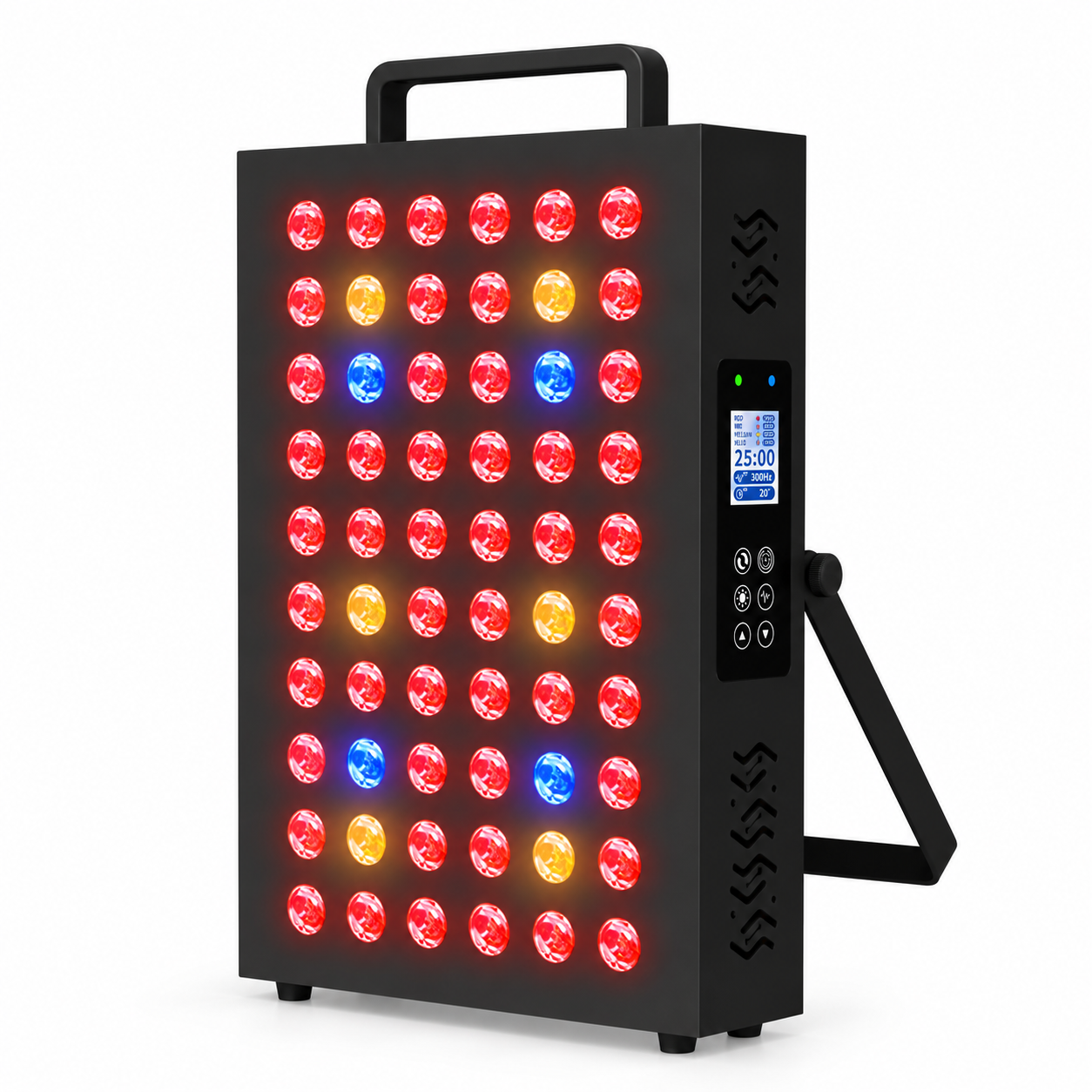
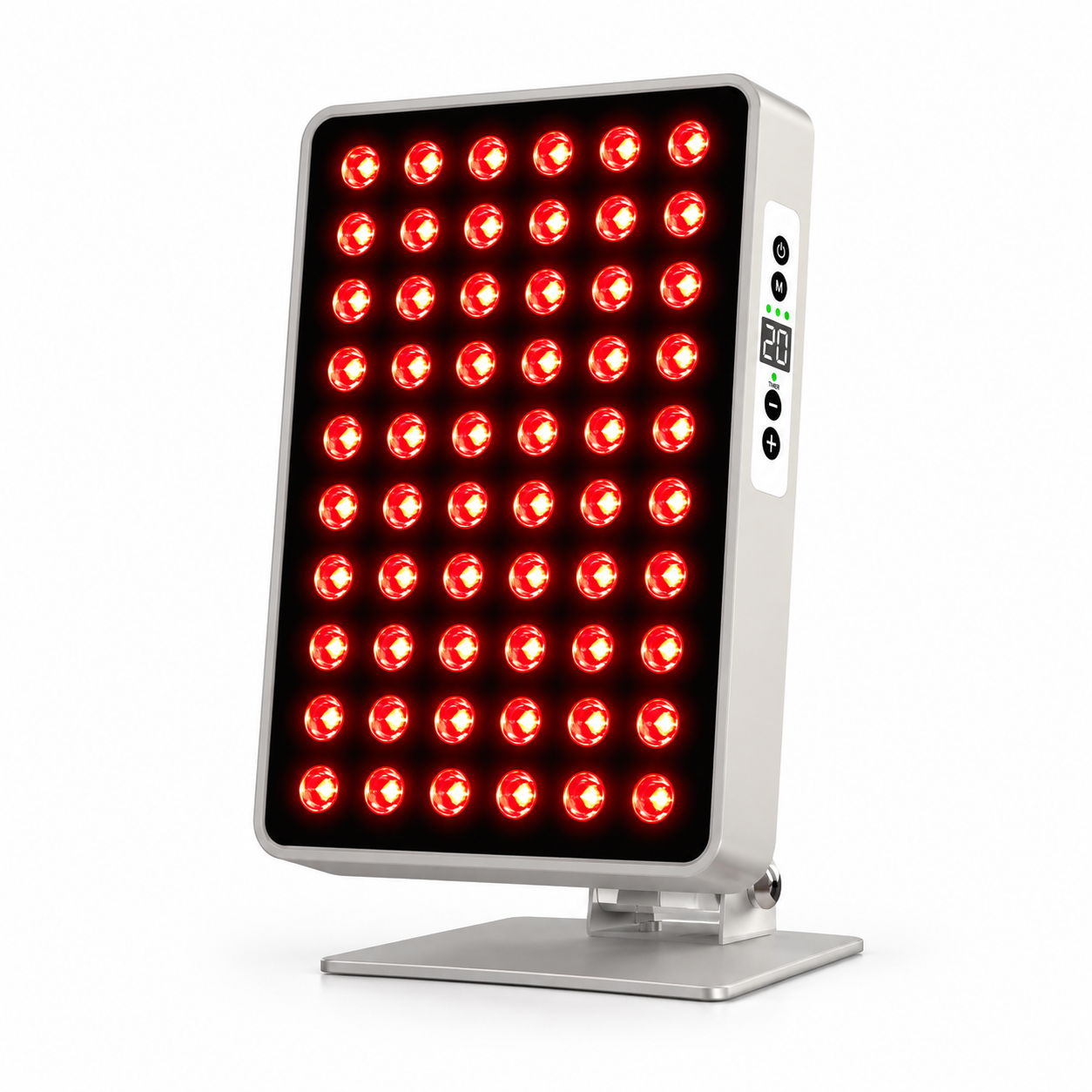
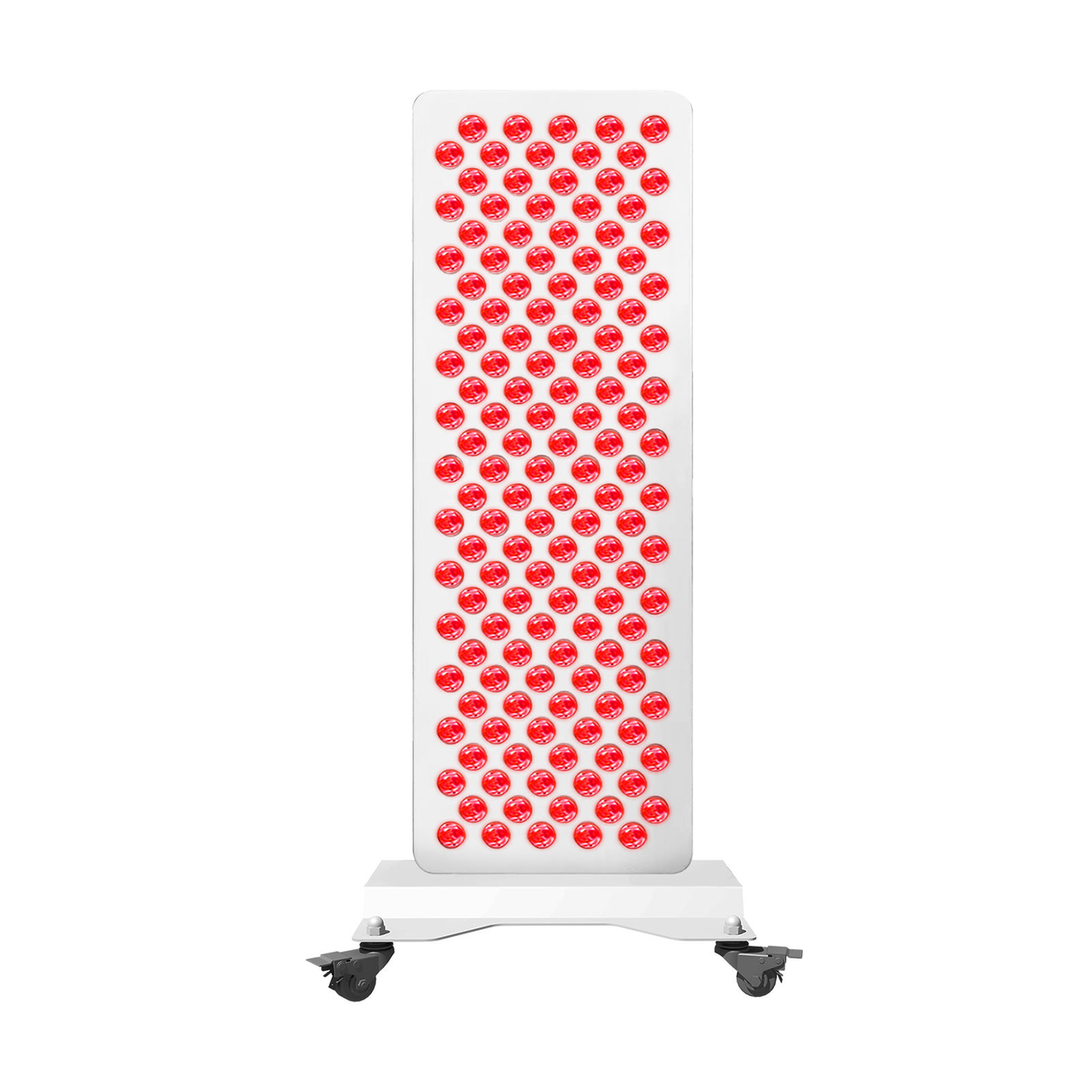
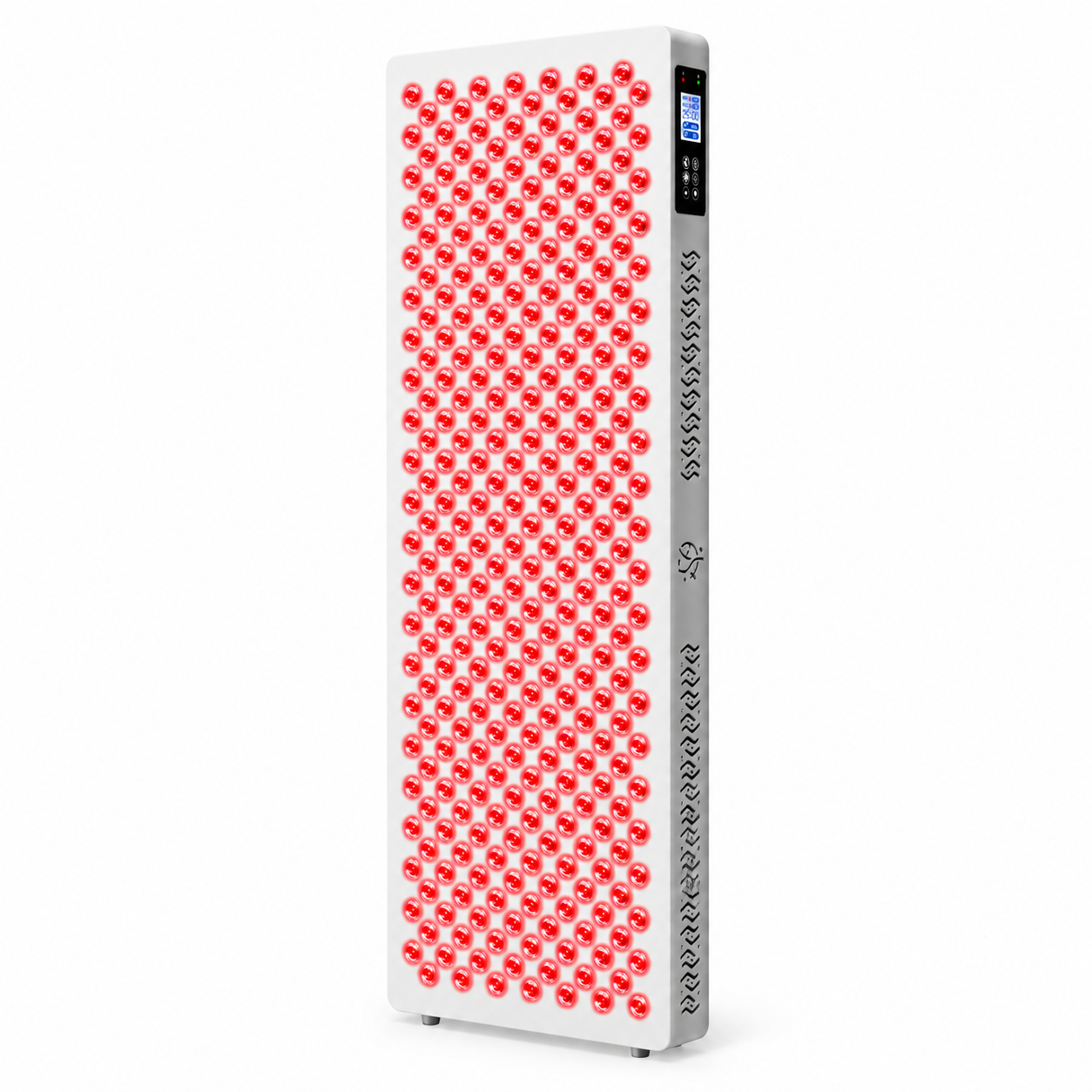
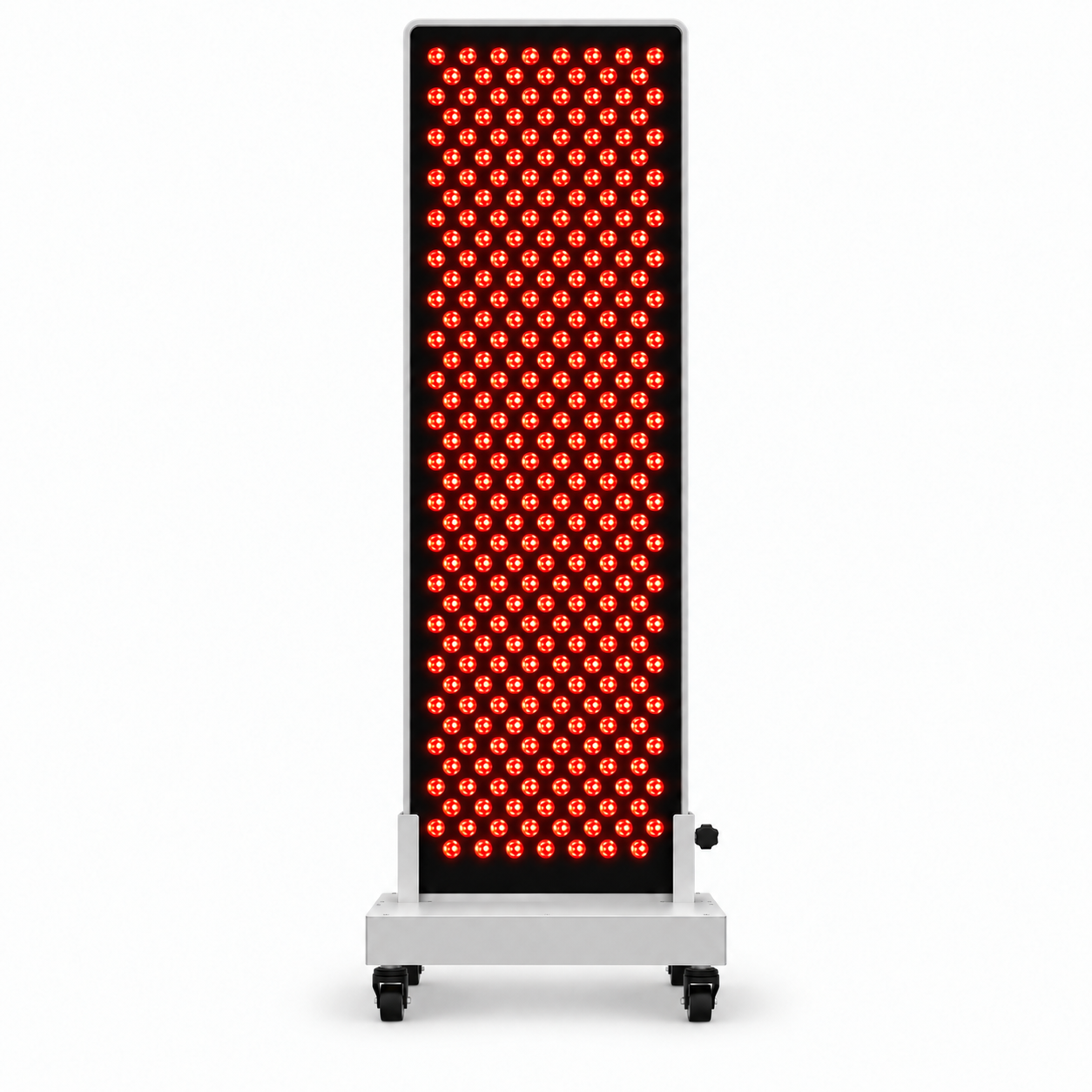
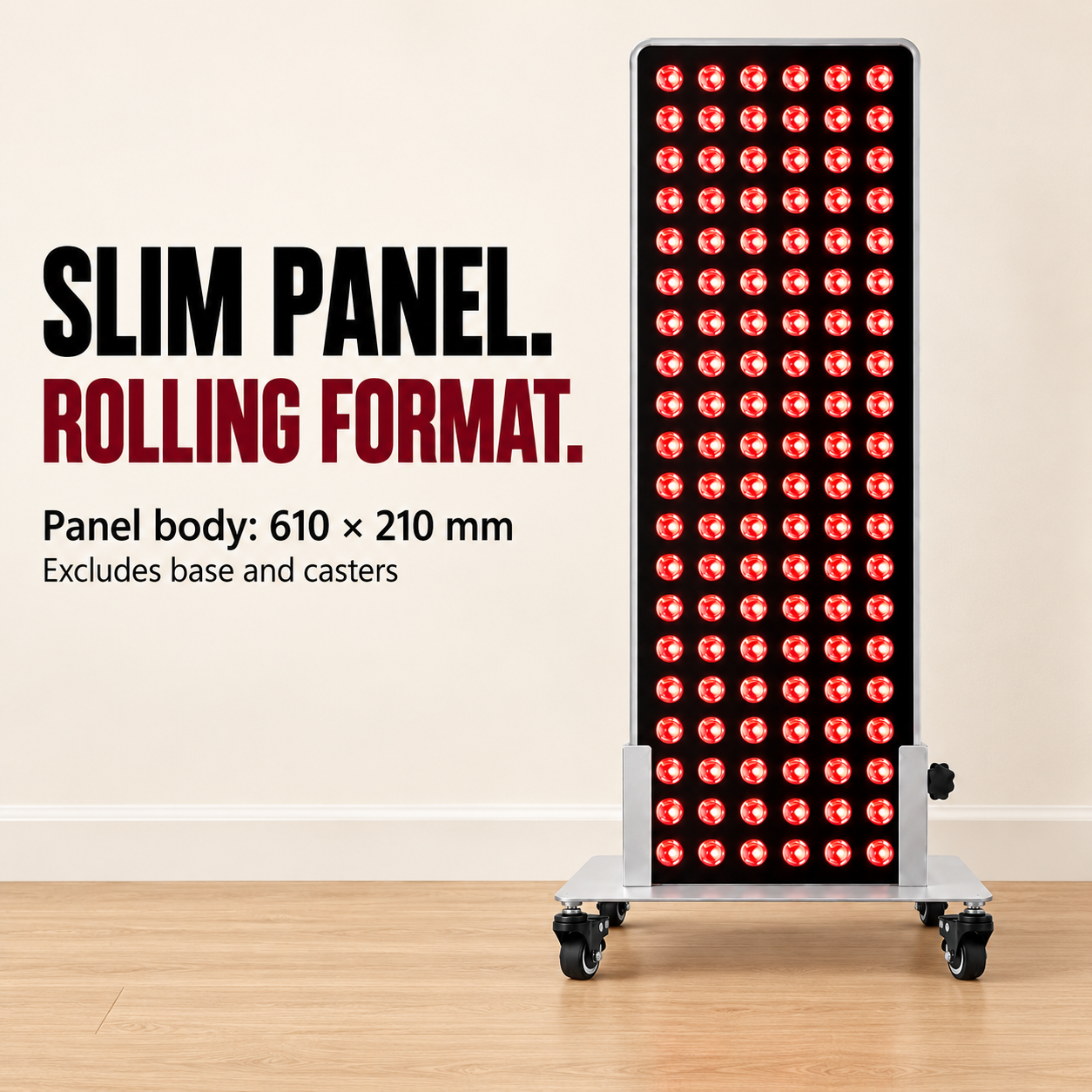
A 610 × 210 × 35.7 mm body brings a slim vertical light surface to your setup. Rolling bases are sold separately.
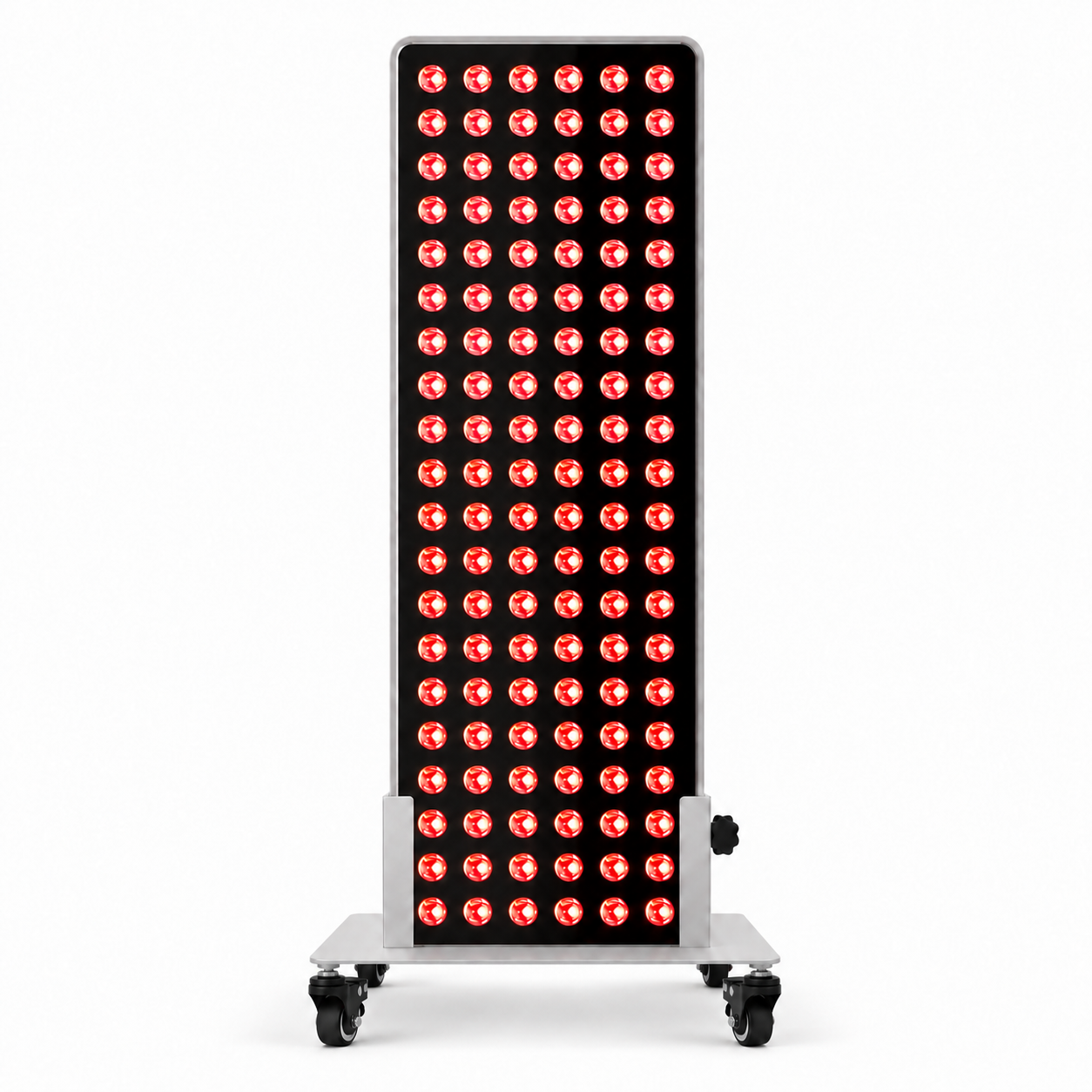
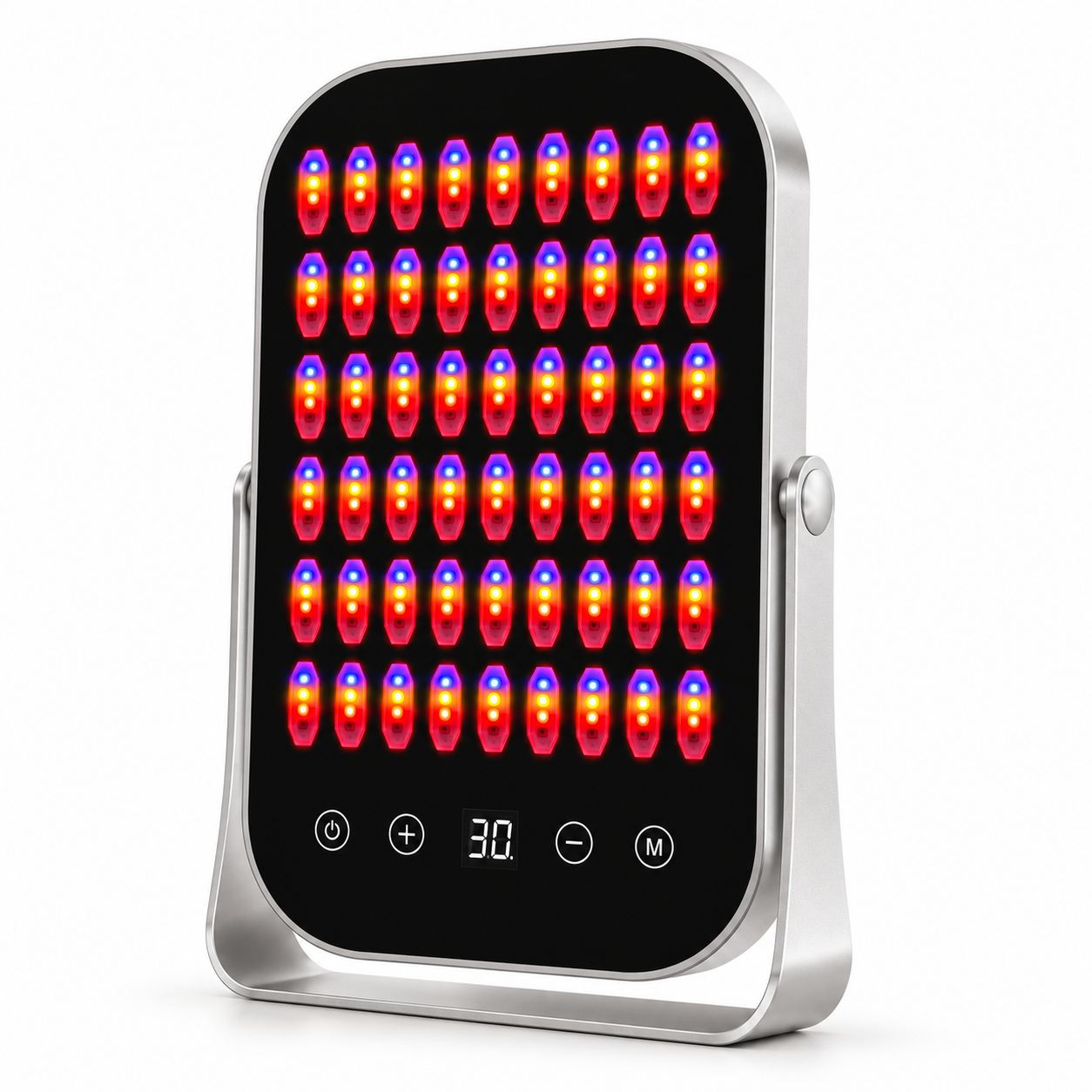
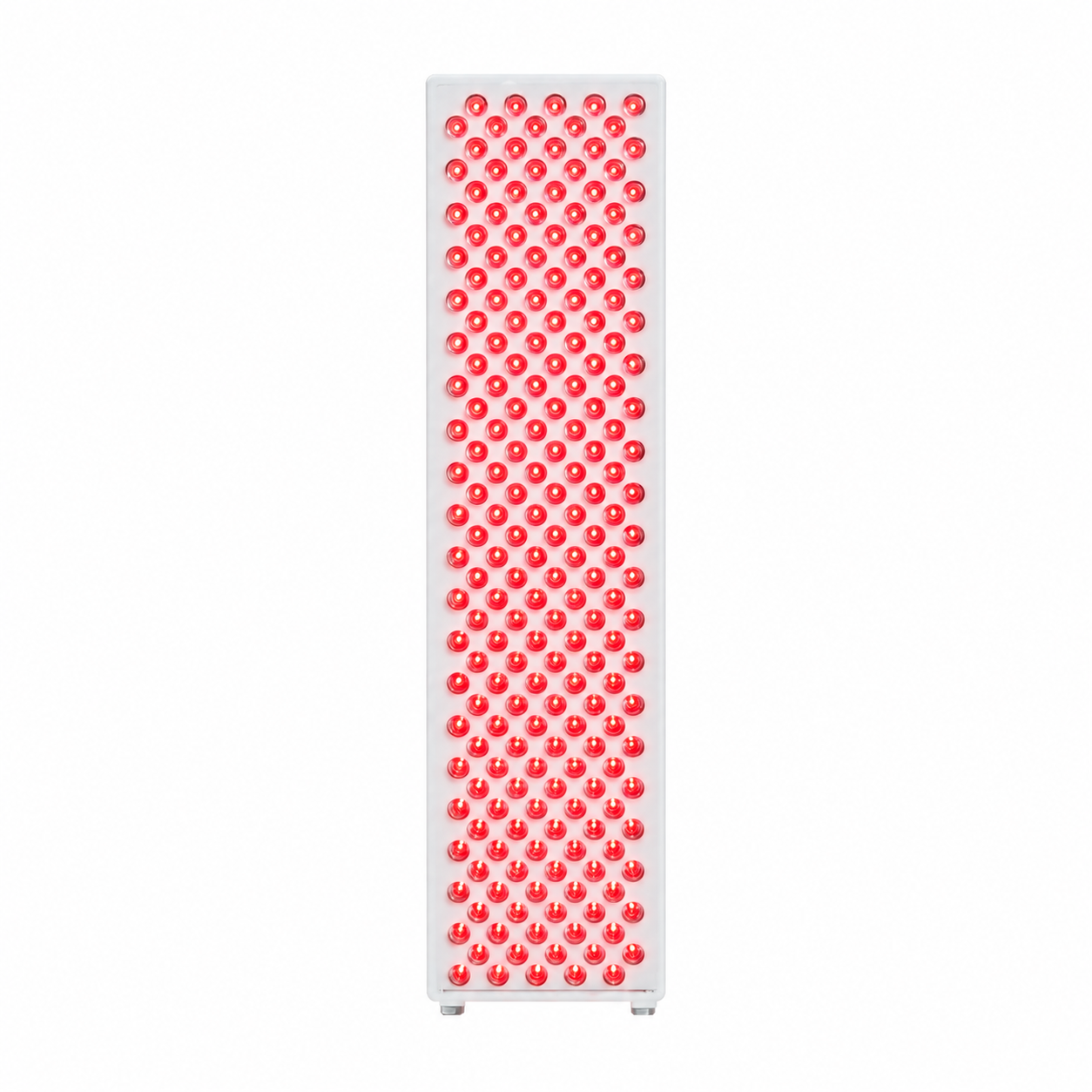
Six wavelengths and 120 LEDs in a slim vertical panel, with on-device controls. Rolling base sold separately.
Dimensions refer to the panel body. Control ranges are not recommended session lengths.
Rolling bases are sold separately. Protective goggles and remote control are not included.
Shipping details · Return conditions · Warranty Policy · Contact support
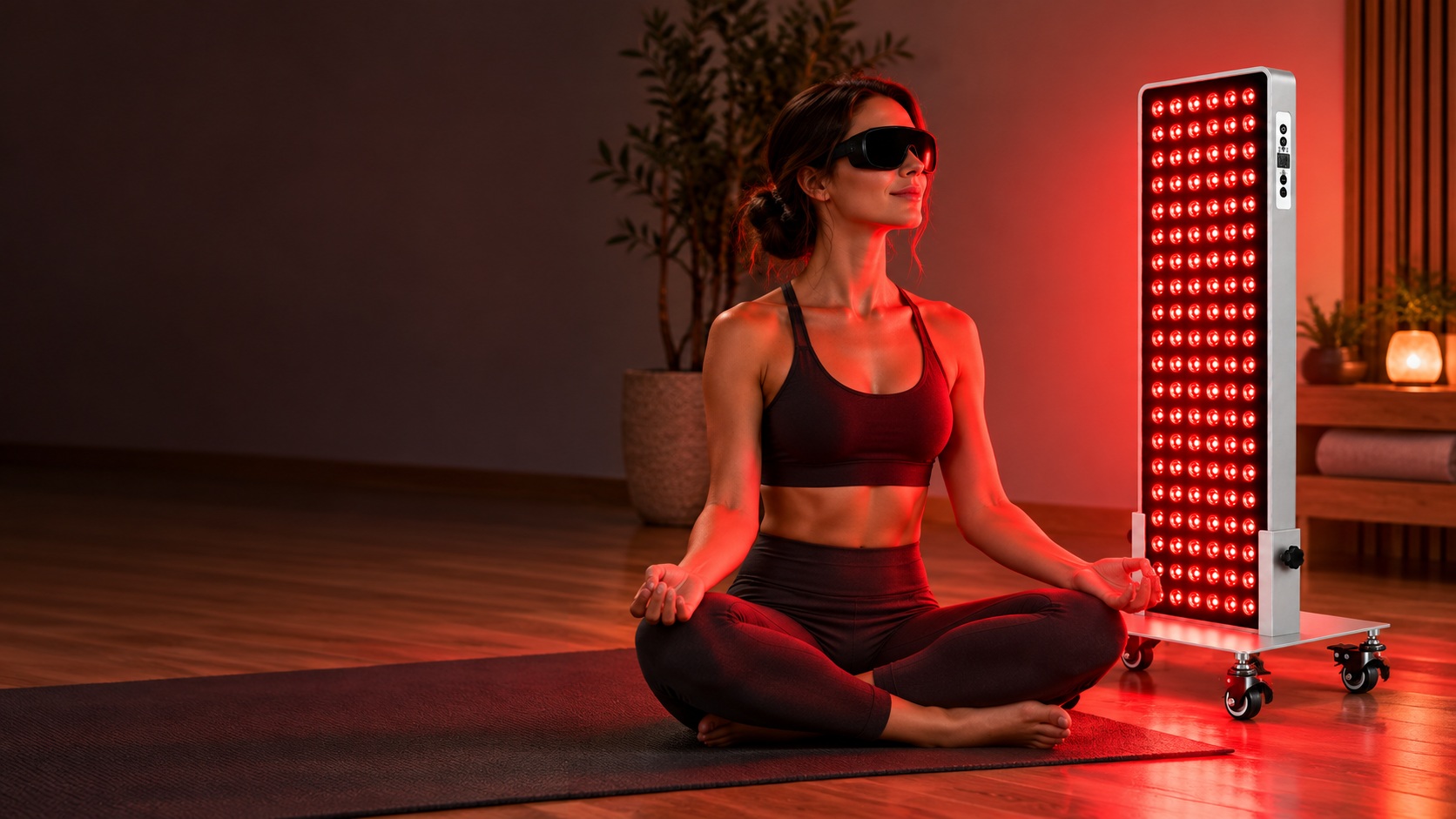
Six wavelengths and 120 LEDs in a slim vertical panel, with on-device controls. Rolling base sold separately.
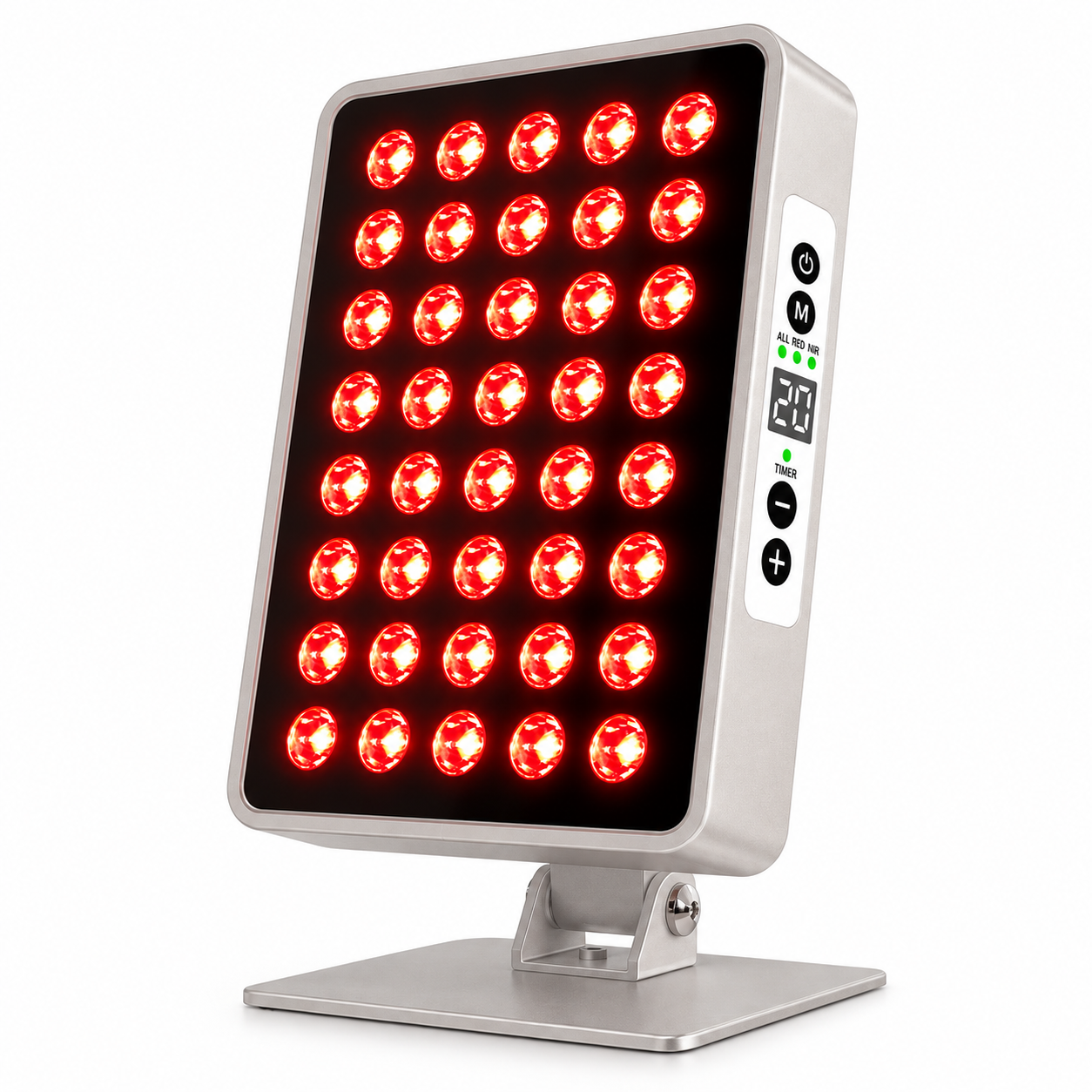
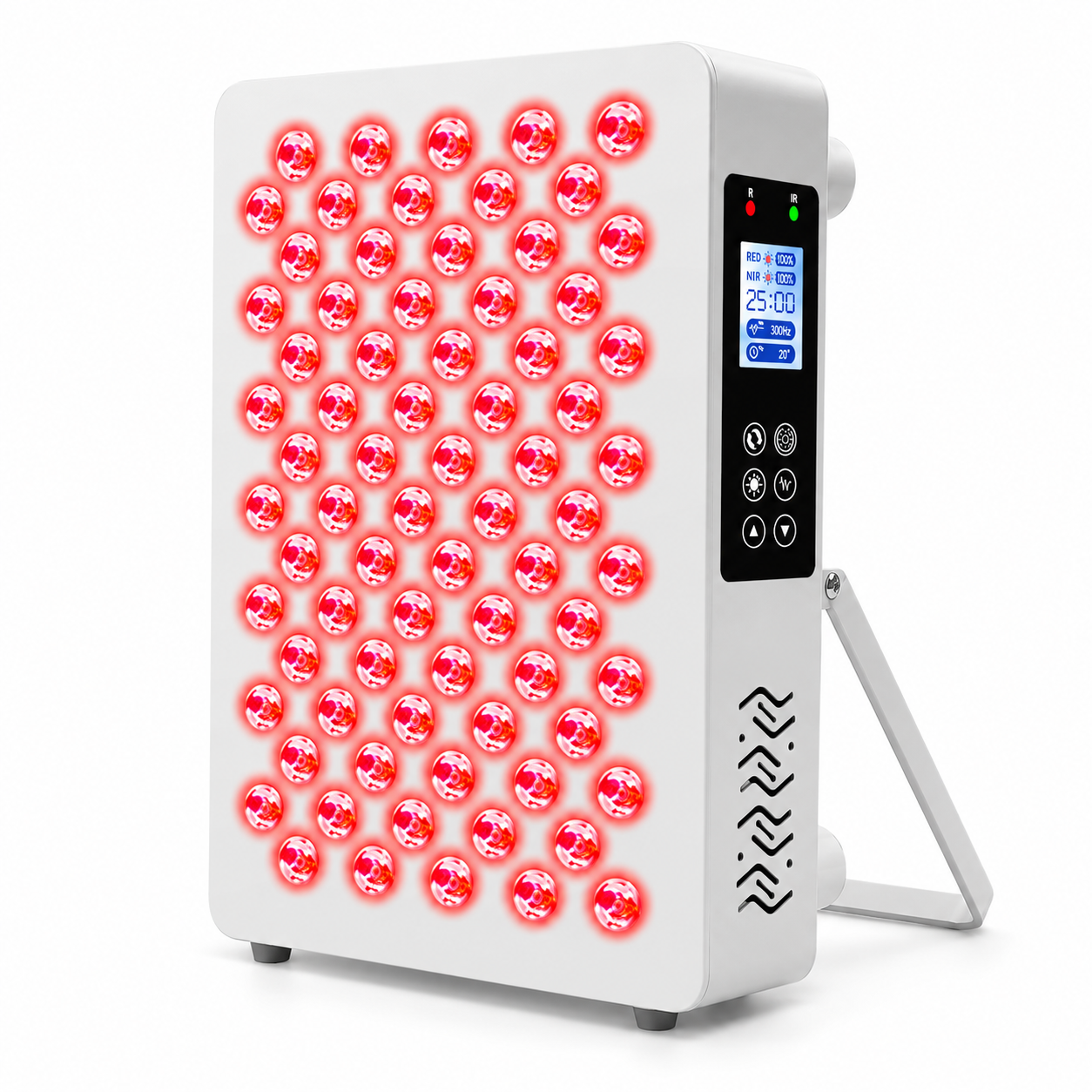
A vertical LED array with on-device controls. Rolling base sold separately.
A 610 × 210 × 35.7 mm body brings a slim vertical light surface to your setup. Rolling bases are sold separately.
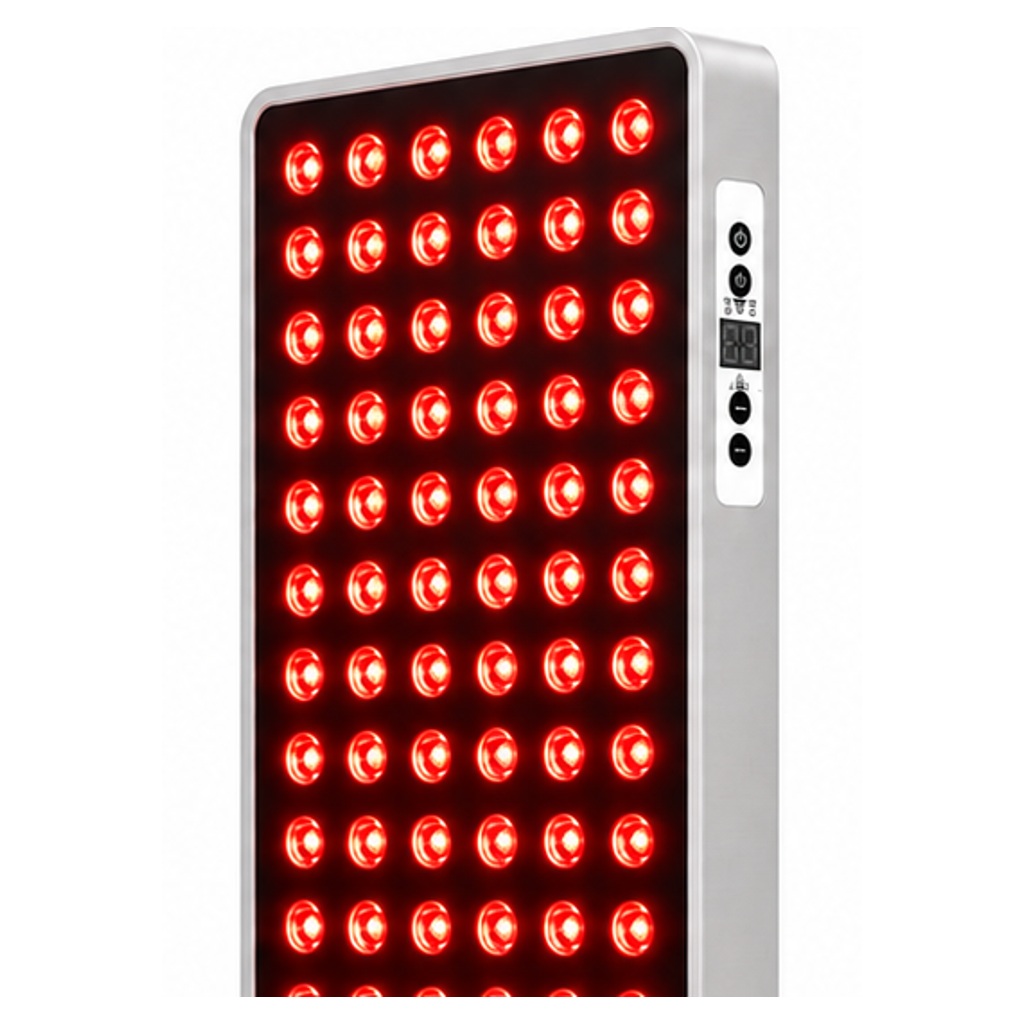
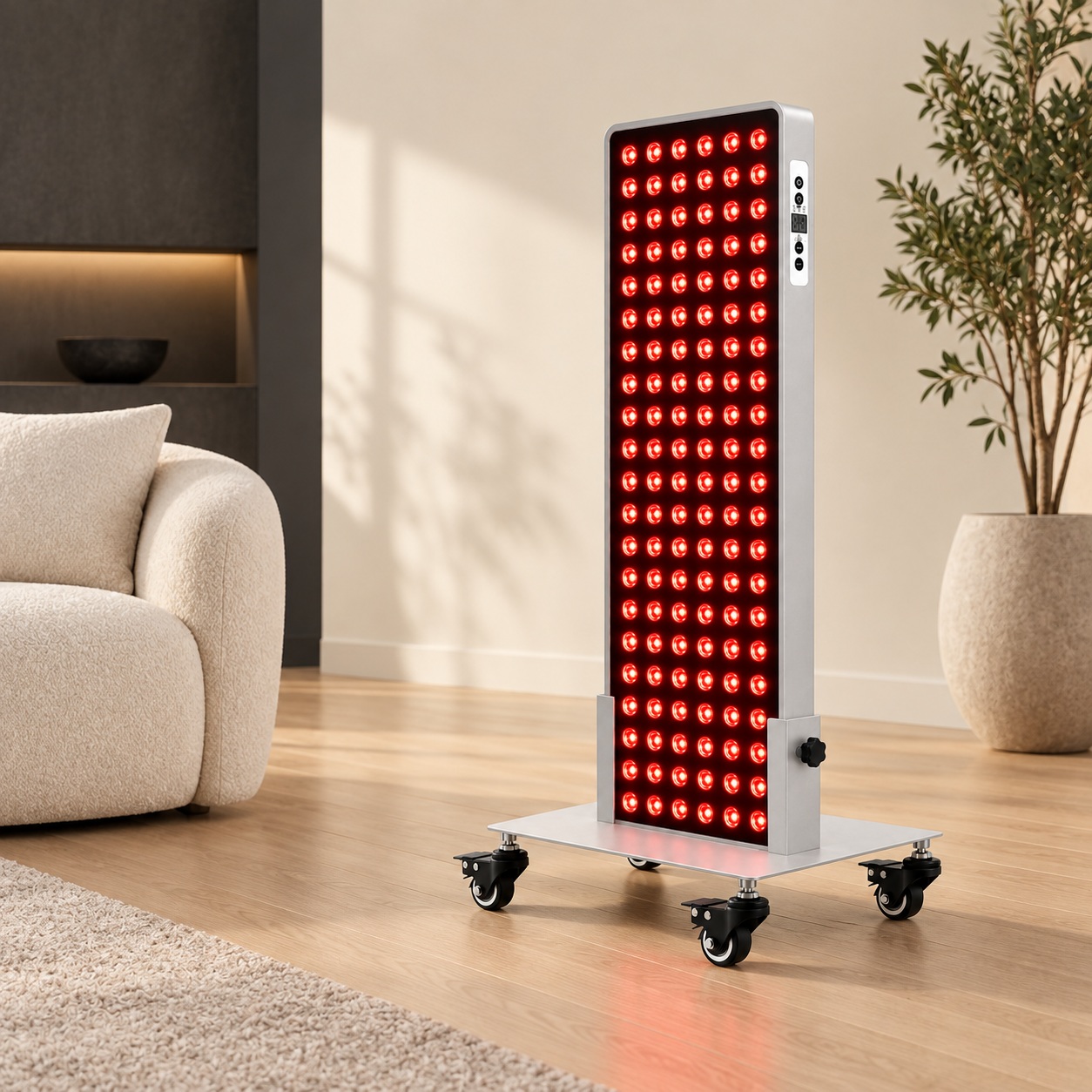
Select Red, NIR or All, adjust brightness in 20% steps and set the timer. The on-device buttons and LED display keep your settings on the panel itself.
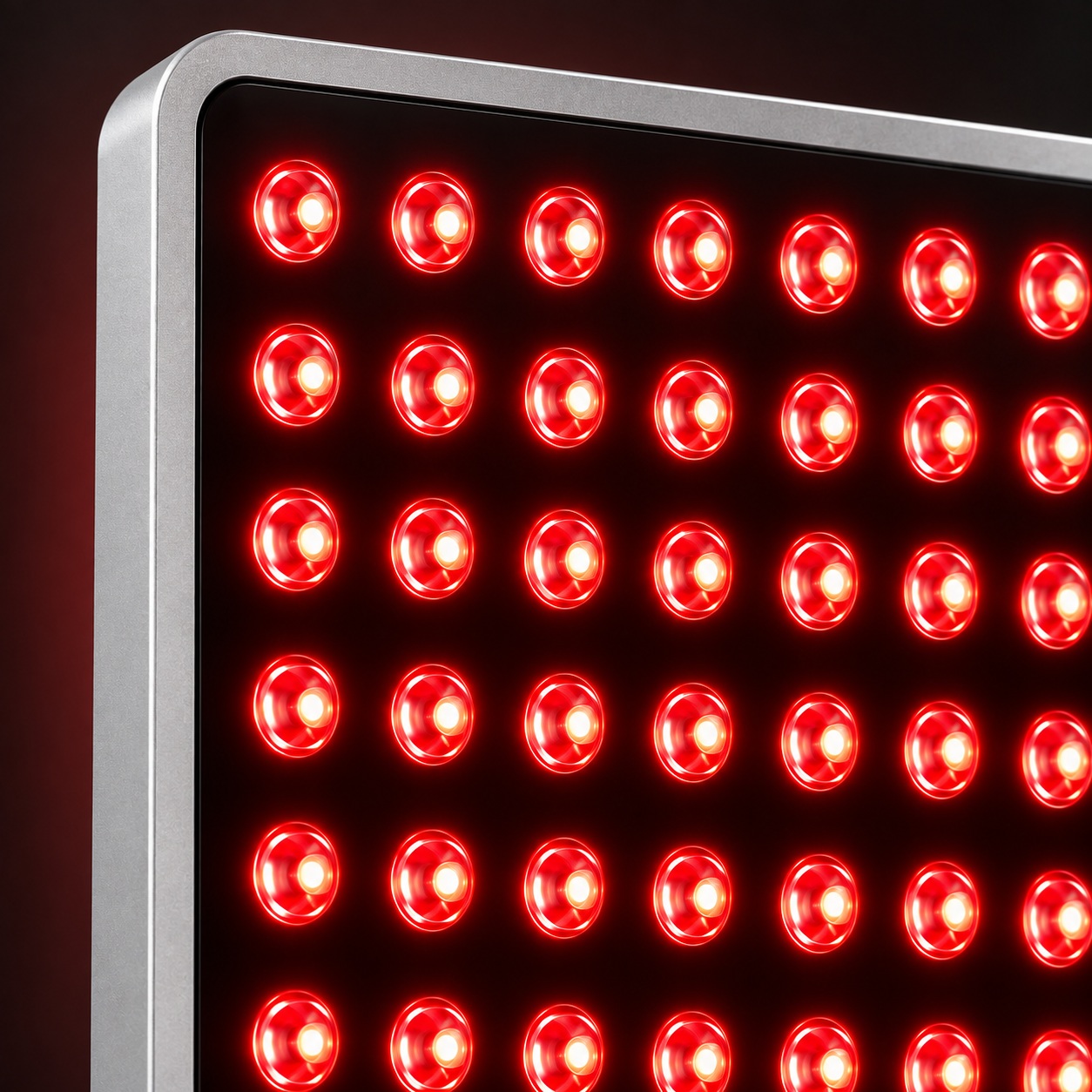
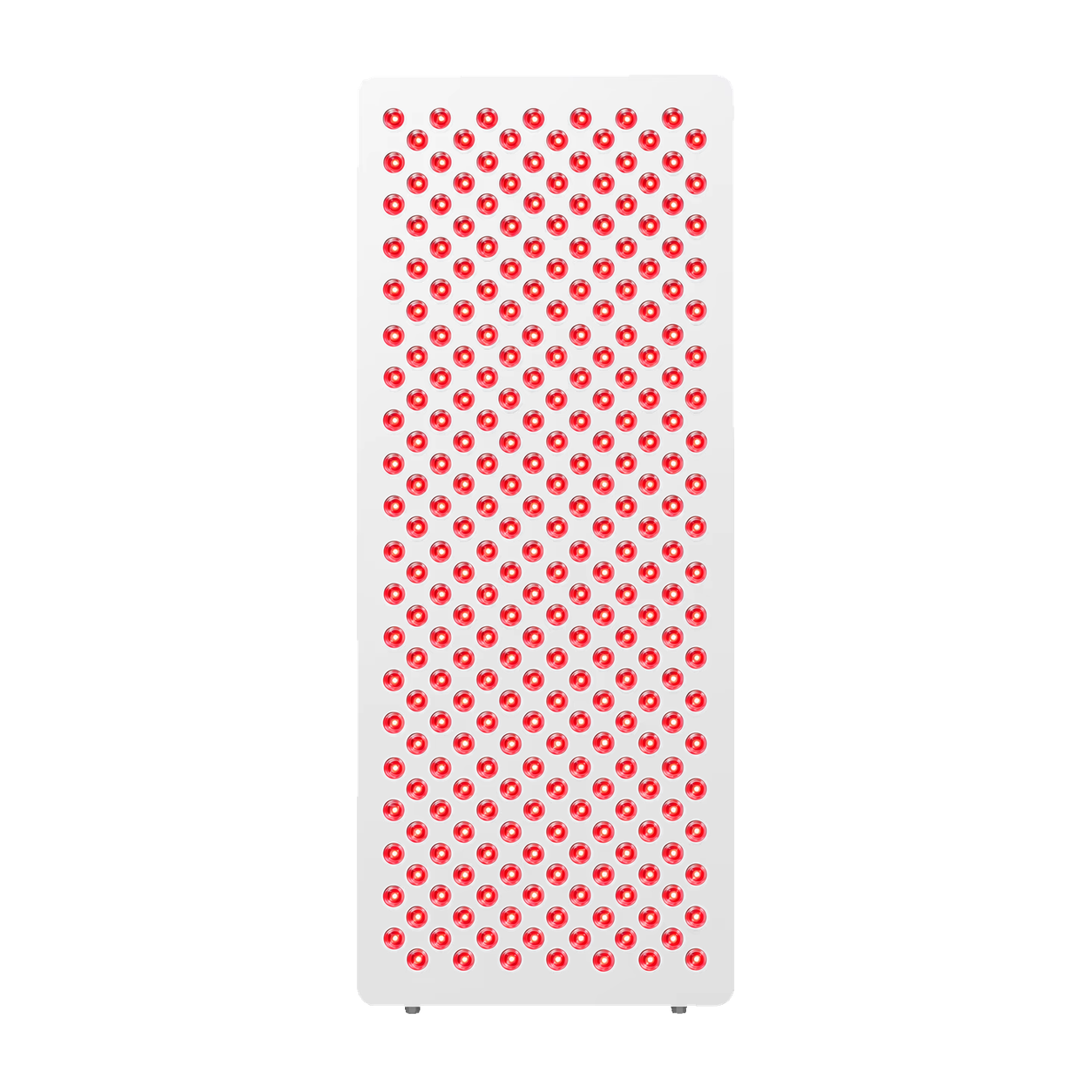
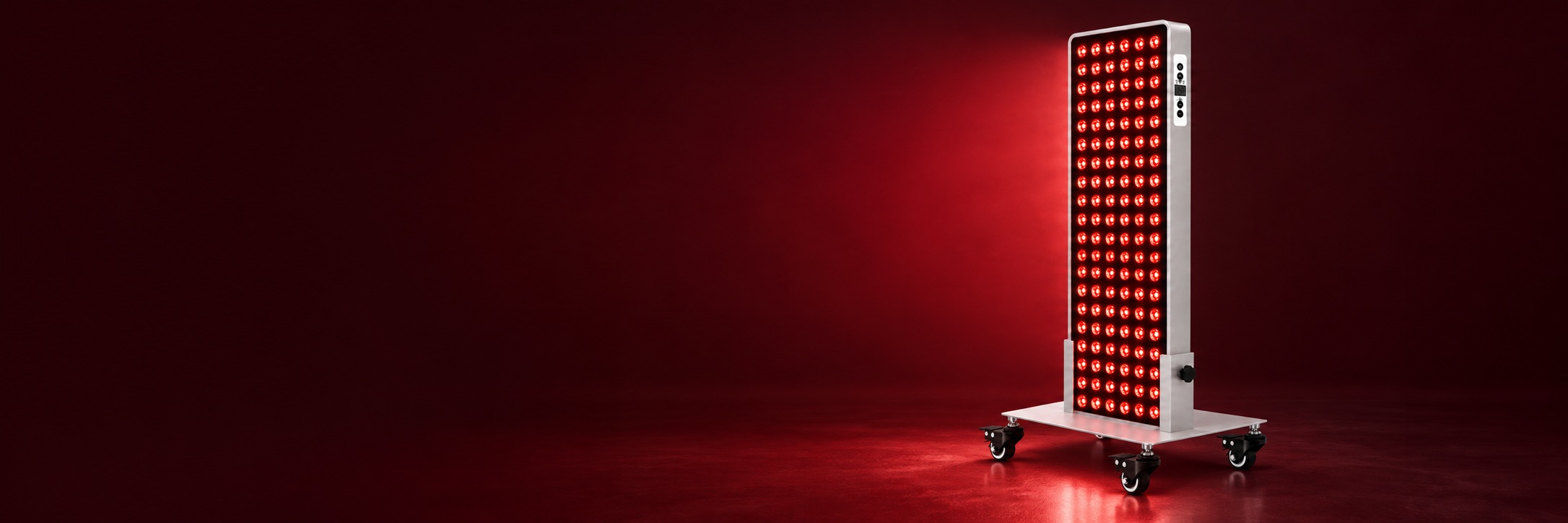
A 120-LED array in twenty rows of six fits within a 610 × 210 × 35.7 mm panel body. The vertical format keeps the light surface within a compact floor setup.
PERSONALIZE YOUR LIGHT
Choose your light settings and review them on the panel.
Red, near-infrared or all together.
Select Red for 630 / 660 nm, NIR for 810 / 850 / 940 / 1060 nm, or All for both groups.
Change the setting in 20% increments.
Use the panel controls to adjust brightness in 20% increments and check the display.
Use the timer mode and adjustment buttons.
Use timer mode and the − / + buttons to adjust the setting shown on the LED display.
Control ranges are not session recommendations. Follow the supplied manual for settings and eye protection.
Ray™ Atlas A120
Nominal LED ratings do not represent measured wall-plug consumption. Dimensions follow the detailed supplier drawing and refer to the panel body, excluding the rolling base. The rolling base shown is sold separately and is not included with the panel.
Follow the supplied manual for placement, power connection and safe use.
WHY CHOOSE US
Compare the details that matter most and choose the option that fits your wellness routine.
| Feature | OUR CHOICELumHarborRay™ Atlas A120 | Other Brand |
|---|---|---|
| Wavelength Options | 6 wavelengths630 / 660 / 810 / 850 / 940 / 1060 nm | 1 wavelength |
| Warranty Coverage | 2-year warranty | 3-month warranty |
| Registration & Compliance | ||
| Light Selection | Red / Near-Infrared / AllOn-device controls | Single light mode |
| Customization | OEM & ODM customizationLogo, color, packaging & wavelength options | Standard models with limited modifications |
| Flexible Placement | Rolling base sold separately | |
| Certifications | ISO 13485 / ETL / FCC / CE / RoHS |
THE SCIENCE OF LIGHT
A closer look at red light, near-infrared and the research behind photobiomodulation.
Red and near-infrared light are used in non-invasive light-based wellness routines.
RAY™ ATLAS A120
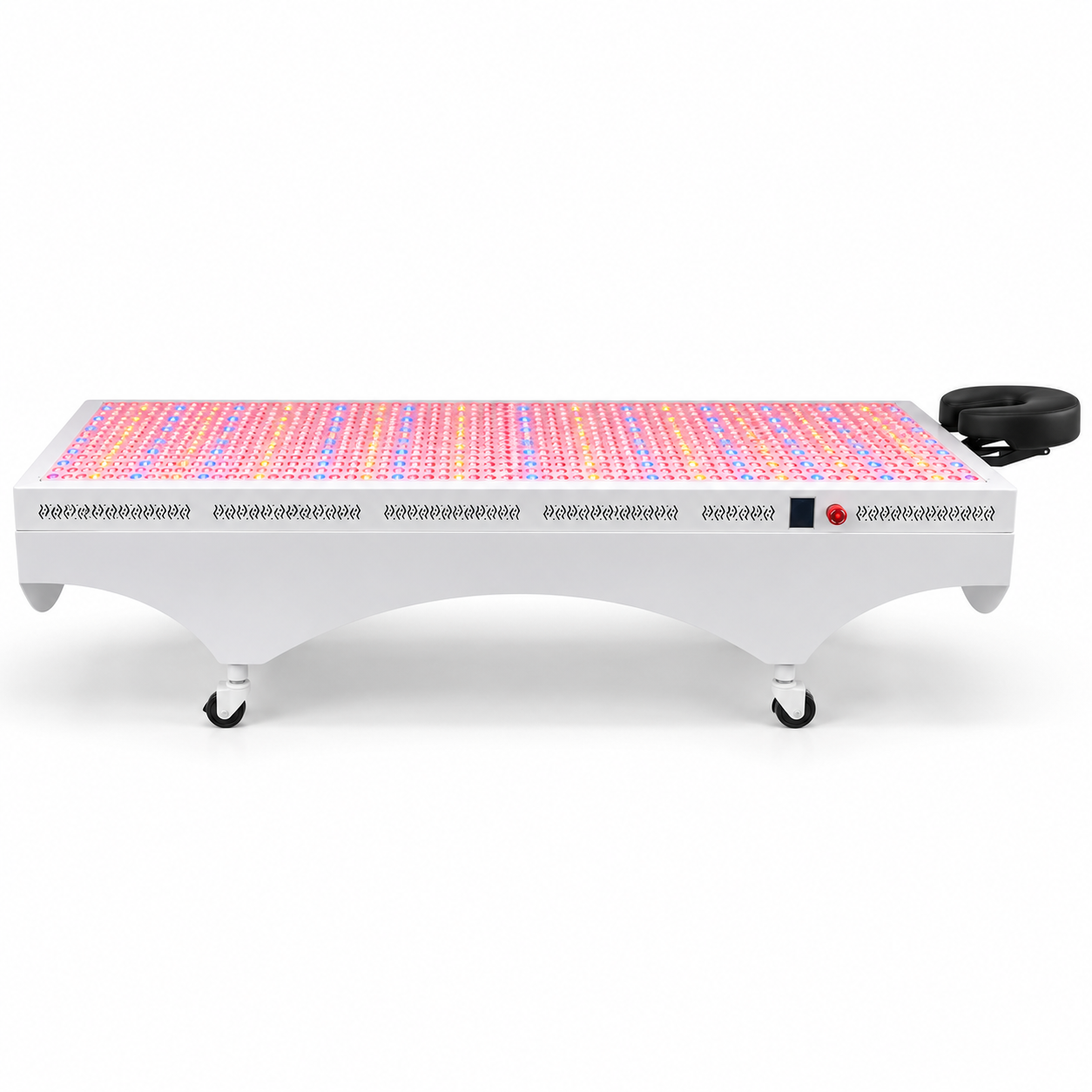
A slim vertical panel brings red and near-infrared light into an on-device-controlled setup with a four-caster rolling base. The rolling base shown is sold separately and is not included with the panel.
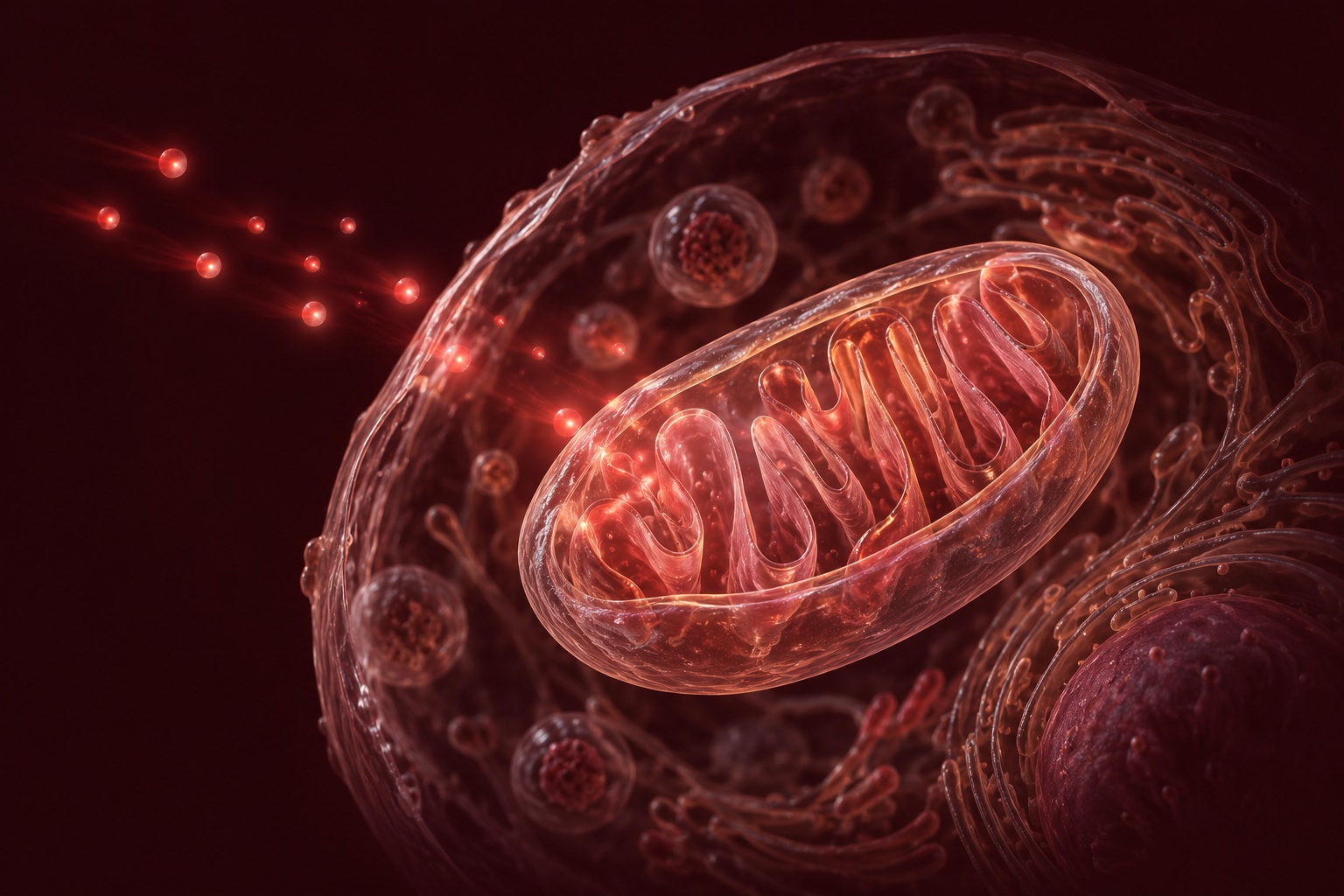
Photobiomodulation describes biological responses to light. Researchers investigate how light-sensitive molecules may influence mitochondrial activity and ATP production.
Explore the researchIllustrative mechanism. General research does not establish results for A120.
Visible red light and invisible near-infrared in a slim rolling panel. Select a wavelength to explore its research themes.
Two visible red wavelengths and four invisible near-infrared wavelengths. Lens colors are illustrative; they do not represent measured output.
Visible red light is studied in skin-appearance routines. A randomized, sham-controlled trial of a facial mask combining 630 nm red light with 850 nm near-infrared assessed changes in crow’s-feet appearance over 16 weeks and reported improvement compared with the sham device.
Read the study: 630 + 850 nm facial-mask trial · 2025 ↗The study tested two wavelengths together in a dedicated facial device. It cannot isolate the contribution of 630 nm or predict results from a full-body system.
660 nm red light has been investigated for collagen-related activity and skin texture. One study combined a reconstructed human-skin model with a split-face clinical assessment, reporting changes in collagen-related markers and improvements in measured skin roughness under its pulsed LED protocol.
Read the study: Barolet et al. · 2009 ↗This evidence relates to a particular device and pulse schedule. Wavelength alone does not determine the dose, treatment response or results achievable with Atlas A120.
810 nm near-infrared light has been investigated around exercise. A randomized, placebo-controlled study in 28 soccer players examined targeted pre-exercise laser exposure and tracked strength, soreness and biochemical recovery markers. Outcomes varied with the power setting used.
Read the study: 810 nm muscle-recovery trial · 2017 ↗The study used a localized laser cluster before a controlled exercise task. Its dosing and delivery differ from a full-body LED bed, so the reported results are not a product promise.
850 nm is often studied alongside red light in exercise-recovery research. A small crossover study of 660/850 nm LEDs reported changes in some recovery markers, while another trial found no improvement in its muscle-recovery indicators. The findings show that protocol and outcome choice matter.
Read the study: Combined 660/850 nm trial · 2011 ↗These studies tested combined wavelengths rather than 850 nm alone. Results are mixed and depend on the exercise task, timing and light dose; they do not establish a universal recovery effect.
A randomized, placebo-controlled trial investigated 940 nm LEDs and a separate 630 nm LED group in healthy men performing repeated jumping exercise. Researchers assessed exercise-induced muscle damage and recovery measures.
Read the study: Padoin et al. · 2022 ↗The trial involved 28 men and a specified exercise and light protocol. Its findings do not provide a session prescription or establish results for Atlas A120.
1060 nm extends Atlas A120’s listed configuration into a longer-wavelength near-infrared region. Nearby-wavelength research includes human forearm experiments using a 1064 nm laser to examine oxygenation and mitochondrial-enzyme signals, illustrating questions being studied in this region.
Read the study: Tian et al. · 2016 · 1064 nm ↗The cited study used 1064 nm, not 1060 nm, and a laser rather than this LED bed. It is nearby-wavelength context, not direct evidence for Atlas A120’s 1060 nm channel or a claim of deeper penetration.
General research does not establish results for A120. Follow the supplied manual for use.
Quick answers about power, placement and care.
Follow the supplied manual for distance, duration and frequency. Use the eye protection it specifies and review your settings before starting.
Use compatible support as directed by the installation guide. The rolling base shown is sold separately; leave room for ventilation and access.
Yes. Use the included power cable with a 100–240V AC supply. The panel must remain plugged in during use.
Follow the supplied manual for shutdown, cleaning and storage. Keep the light surface and controls accessible.
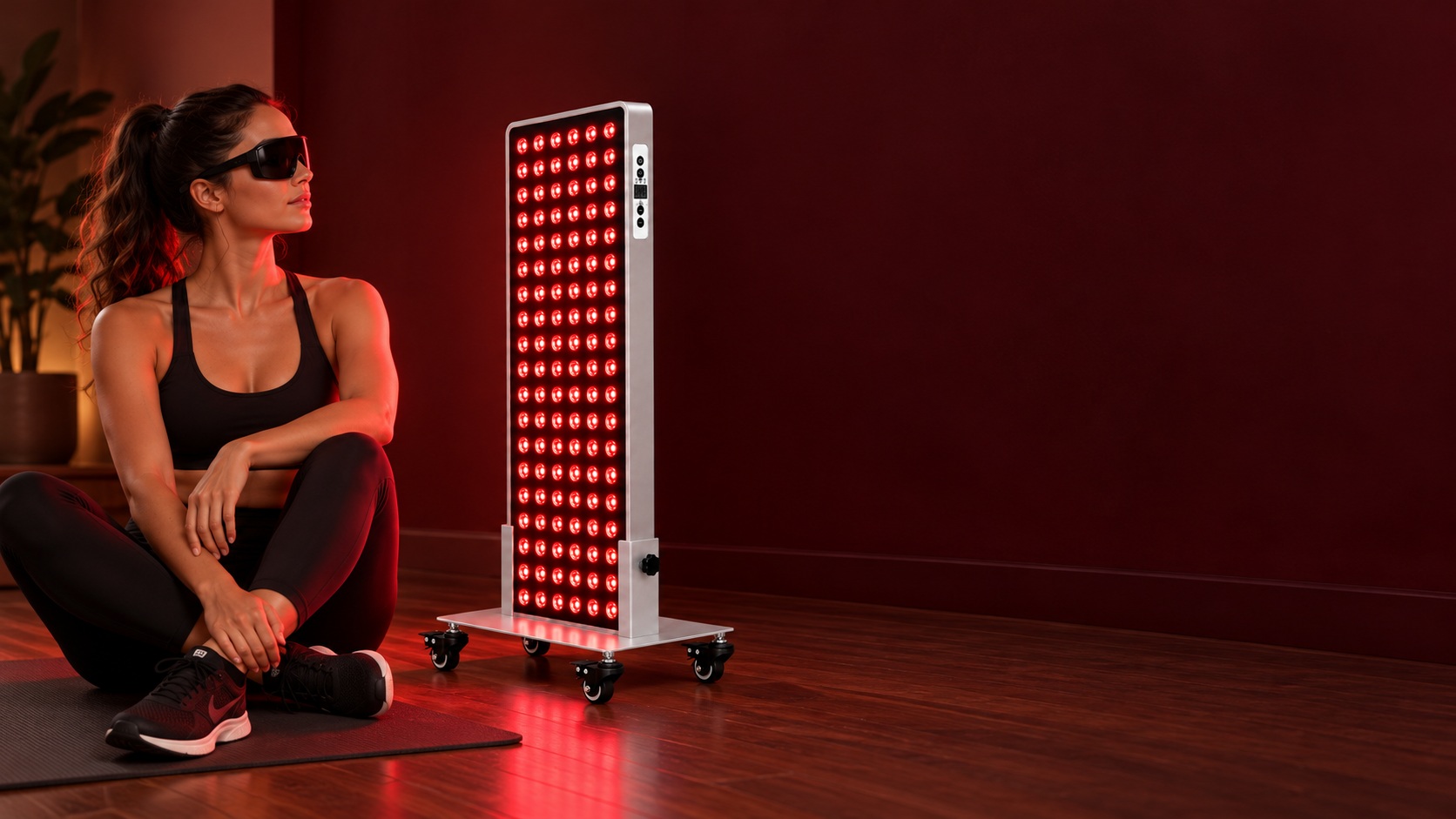
Scene image is illustrative. Follow the supplied manual for safe use.
YOUR A120 PURCHASE, AT A GLANCE
Clear product information, a confirmed accessory list and support when you need it.
1 × Ray™ Atlas A120 panel · 1 × Power cable · 1 × User manual — Rolling bases are sold separately. Protective goggles and remote control are not included.
A120 comes with two years of warranty coverage. Contact our team for product support or a warranty request.
Warranty details →Estimated delivery: 6–11 business days, including processing. Delivery dates are estimates.
Shipping details →Change-of-mind returns must be unused and in original condition and packaging. Customer-paid return shipping; authorization required.
Read return conditions →