
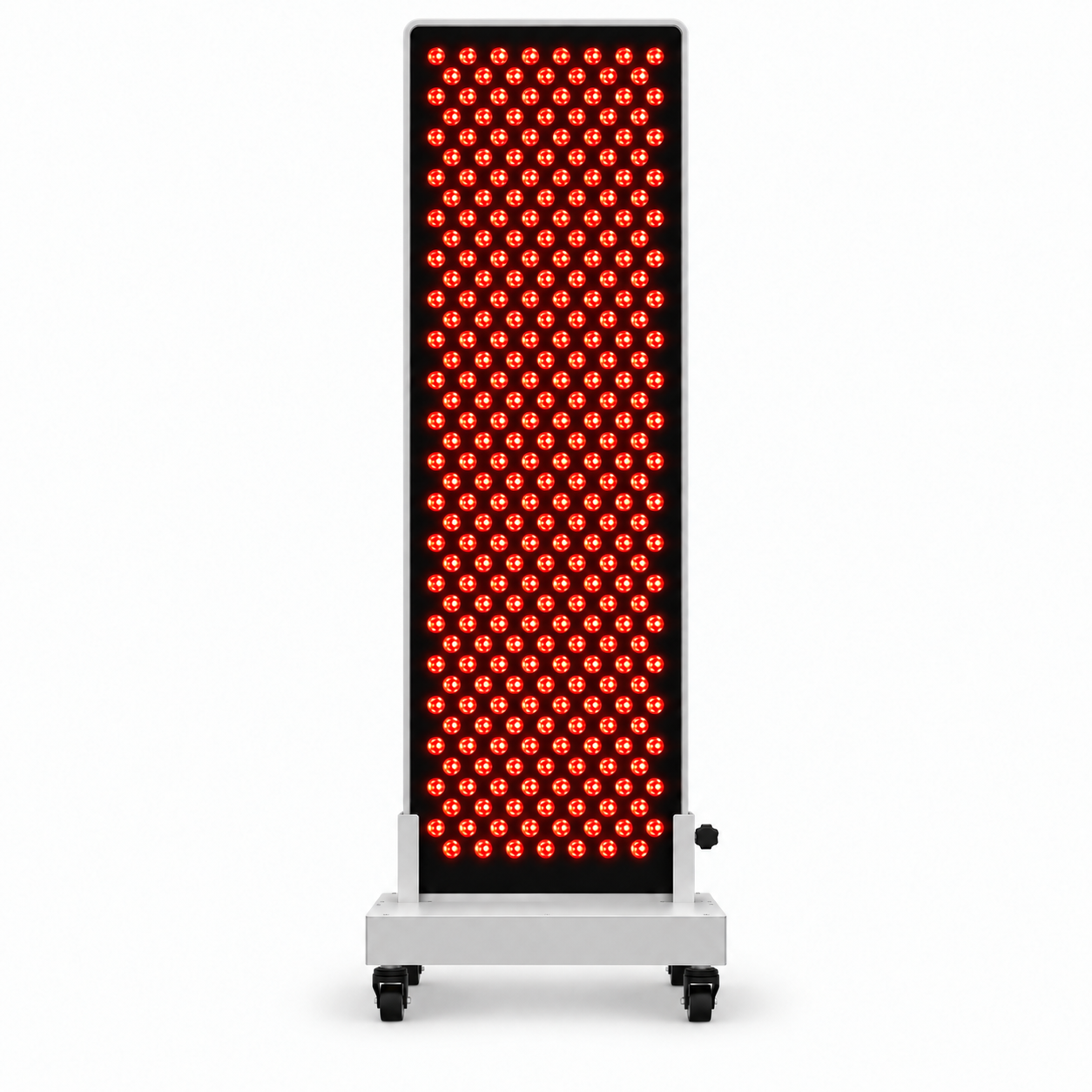

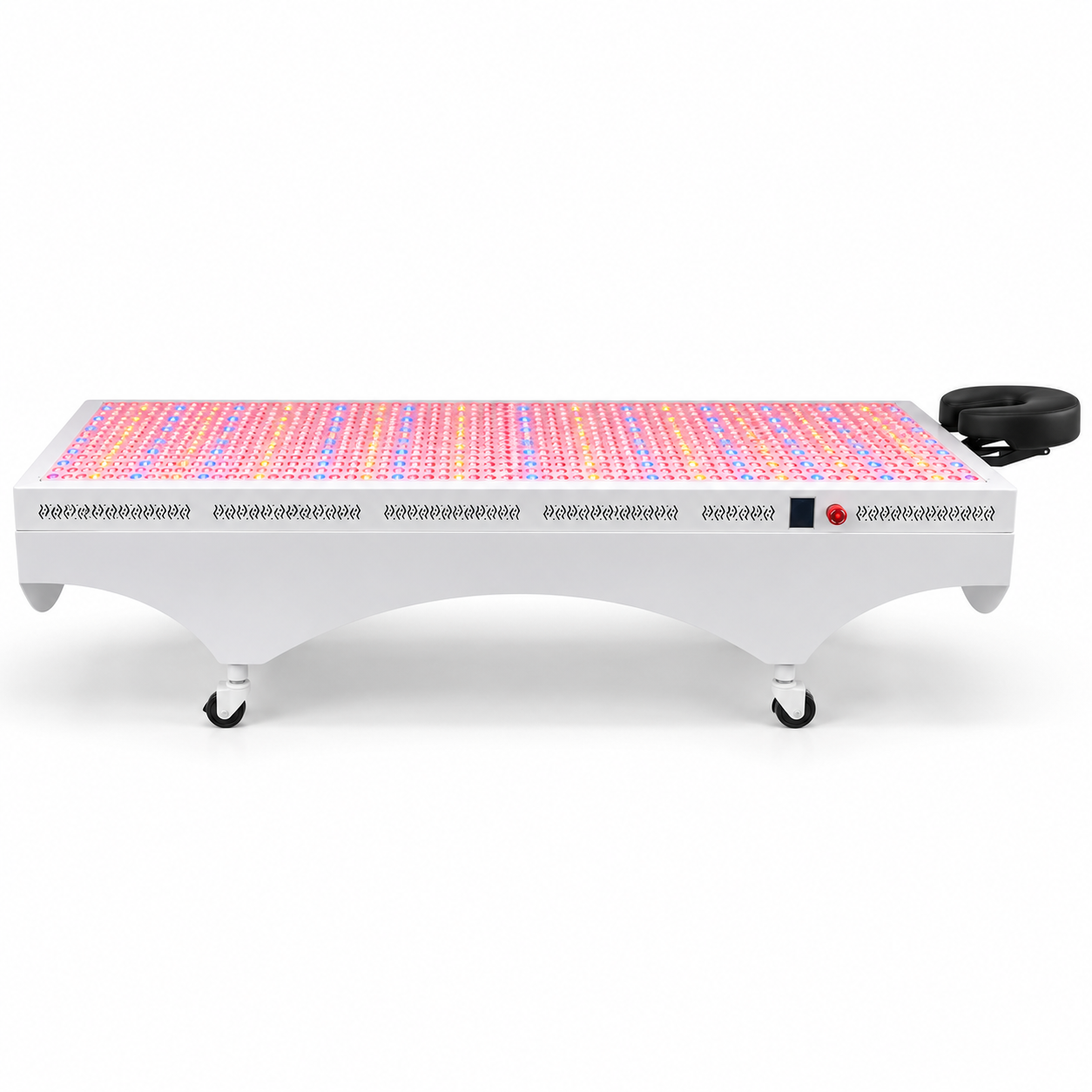


What Is Red Light Therapy? How It Works, Potential Benefits, and Limitations
Oct 14,2026 | LumHarbor
Red Light Therapy — Quick Answer
Red light therapy uses red and/or near-infrared light in an approach commonly called photobiomodulation. Researchers are studying how it affects cells and whether those changes translate into useful outcomes. Some human studies report improvements in skin appearance under specific treatment conditions, while whole-body exercise-recovery studies show mixed findings. Results depend on the outcome, equipment, population, and study design; a promising mechanism does not guarantee a benefit. Panels and beds describe physical formats, not proven levels of effectiveness. Before using a device, check its intended use, follow its instructions, and seek clinical advice about relevant skin conditions, light sensitivity, medicines, or other suitability concerns.
Red and near-infrared: what the labels mean
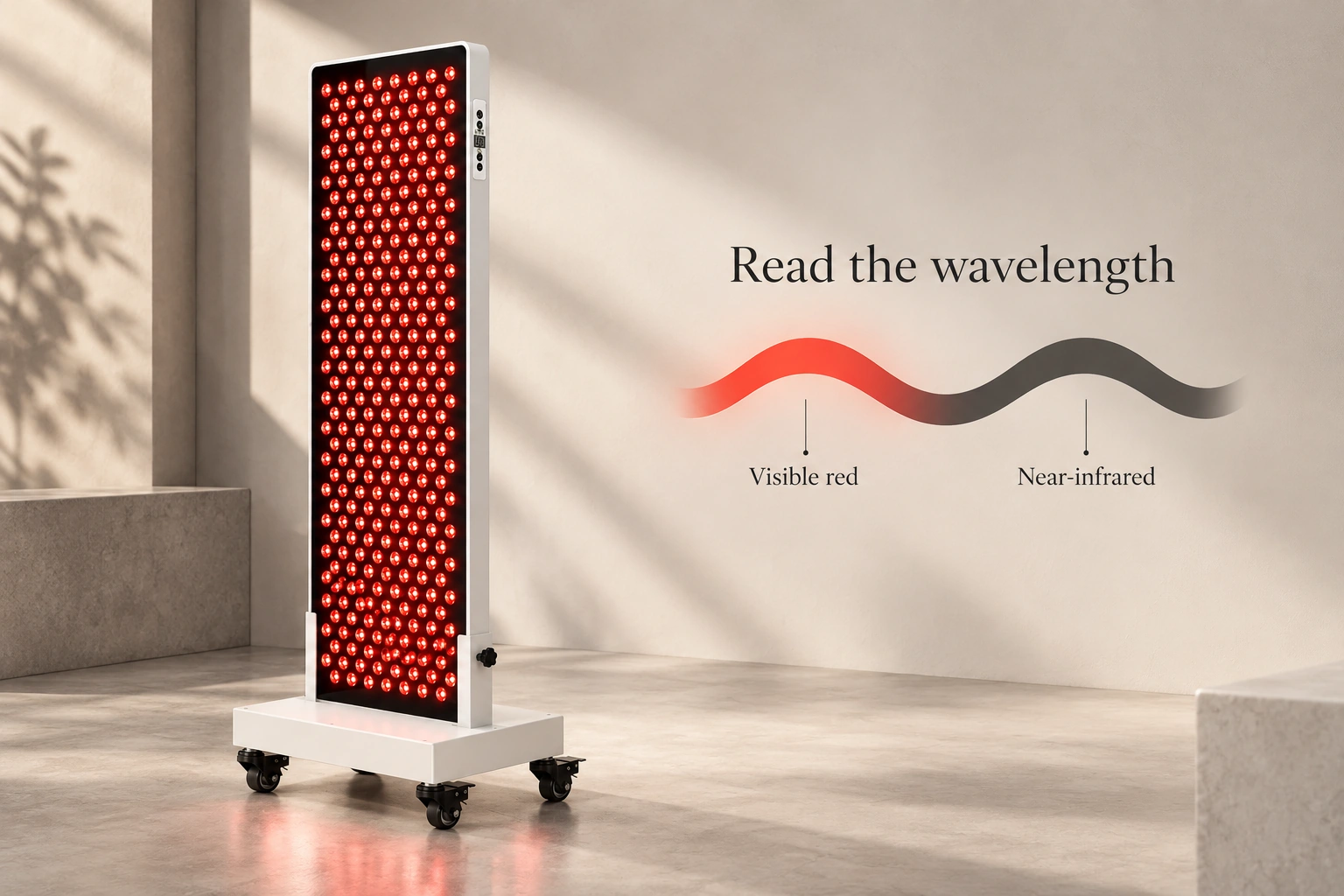
Red is visible light. Near-infrared sits beyond the visible red part of the spectrum, as NASA's explanation of infrared describes. A device may use red light, near-infrared, or a combination; the name alone does not confirm its output.
These categories differ from ultraviolet light used in tanning. Visible brightness also cannot characterize a device’s near-infrared output. Our wavelength guide explains how to read spectral labels without confusing them with strength or benefit.

How does red light therapy work?
The Cleveland Clinic overview describes effects on mitochondria, the cell structures involved in energy production, as a proposed explanation. That is a starting point for understanding the research, not a promise of faster healing or better health.
Human studies then need to test a meaningful outcome, with the equipment, participants and comparison described clearly. A plausible cellular response alone cannot answer whether a particular home device helps.
What human studies suggest: two examples
This introduction uses skin appearance and exercise recovery to illustrate how findings vary by intervention and outcome. These selected examples help explain the evidence; they are not a complete review of every medical or wellness claim.
Skin appearance: encouraging findings with study-specific limits
A randomized, sham-controlled LED study involving 76 people with facial wrinkles reported improvements under its treatment conditions. The abstract describes treatment of the right half of the face and assignment to different treatment groups. Its findings do not establish an expected percentage improvement from a consumer panel, and the abstract cannot answer every question about methods, skin types, or safety.
A separate 2014 controlled skin study used gas-discharge lamps rather than LEDs. It reported improvements in objective skin measures, but its untreated controls were not randomized. The primary subjective outcomes were not collected in those controls. Photograph assessors were blinded; the whole trial was not. The equipment sponsor funded the study and paid the investigators.
Together, these examples give a reason to study skin outcomes while showing why broad promises are premature. An ultrasound-based collagen measure is not the same as histological proof of new collagen in every user, and lamp results cannot simply become claims for today's LED products.
Exercise recovery: findings depend on the measure
A small randomized crossover study of 12 trained men found no significant whole-body light-bed advantage for creatine kinase or salivary interleukin-6 compared with an unlit-bed control. These are specific biomarkers. The small sample, lack of blinding, possible repeated-bout effect and variable saliva measurements limit interpretation.
A whole-body crossover study of 48 active adults reported higher next-morning heart-rate variability, without significant improvement in power output or perceived recovery. A favorable physiological measure alone does not establish better recovery overall. Our muscle-recovery evidence guide separates the main outcomes and delivery methods in more detail.
Panels and beds: choose the next guide
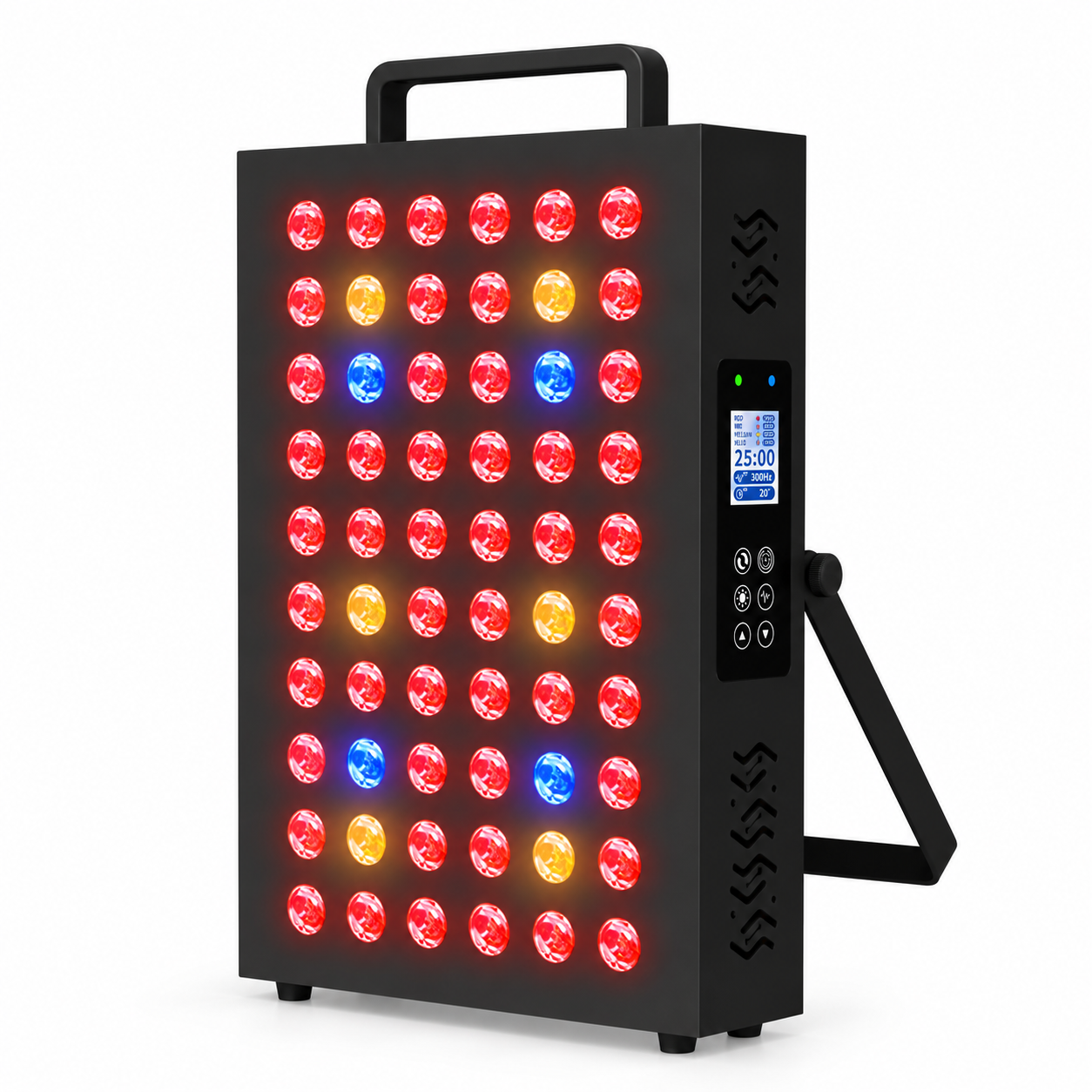
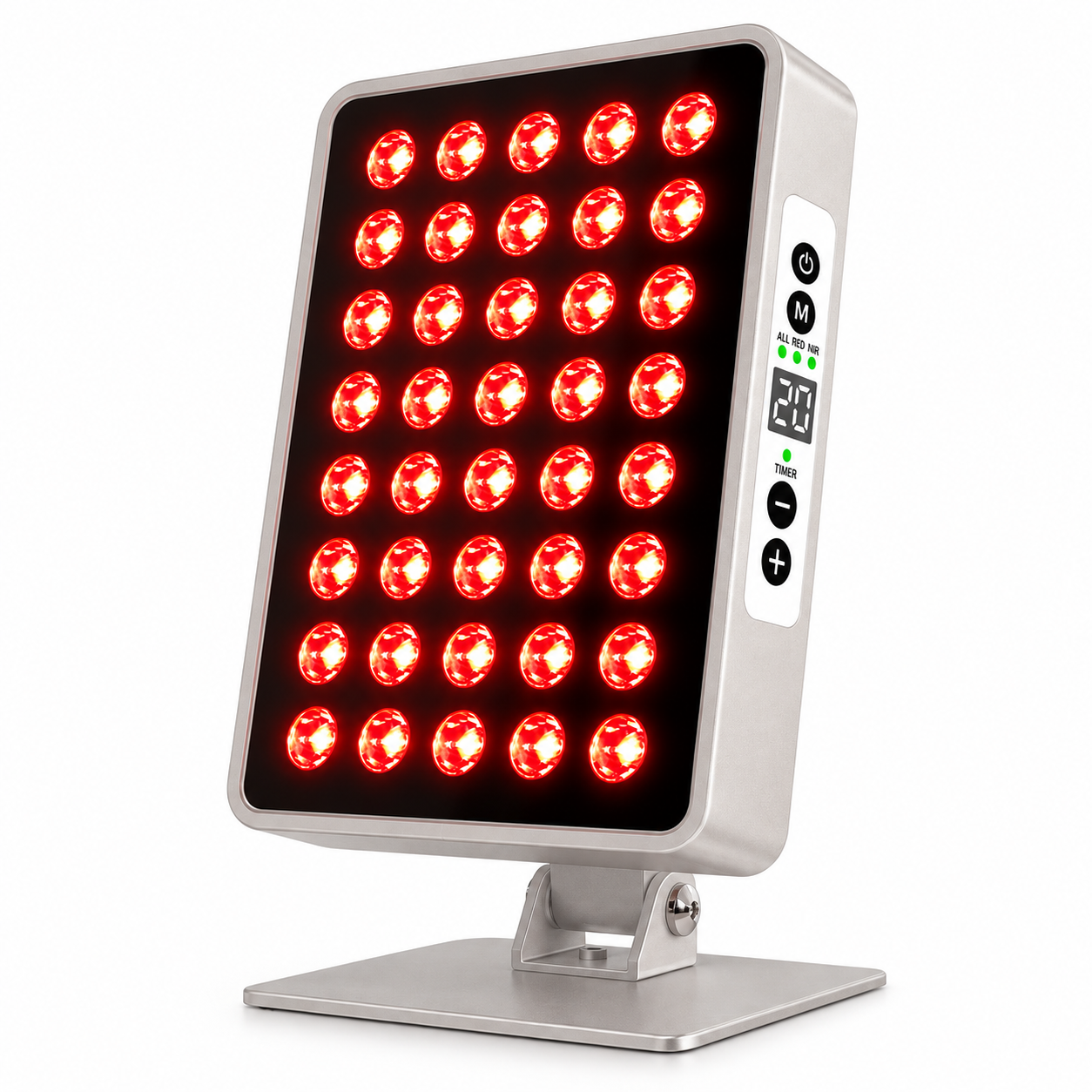
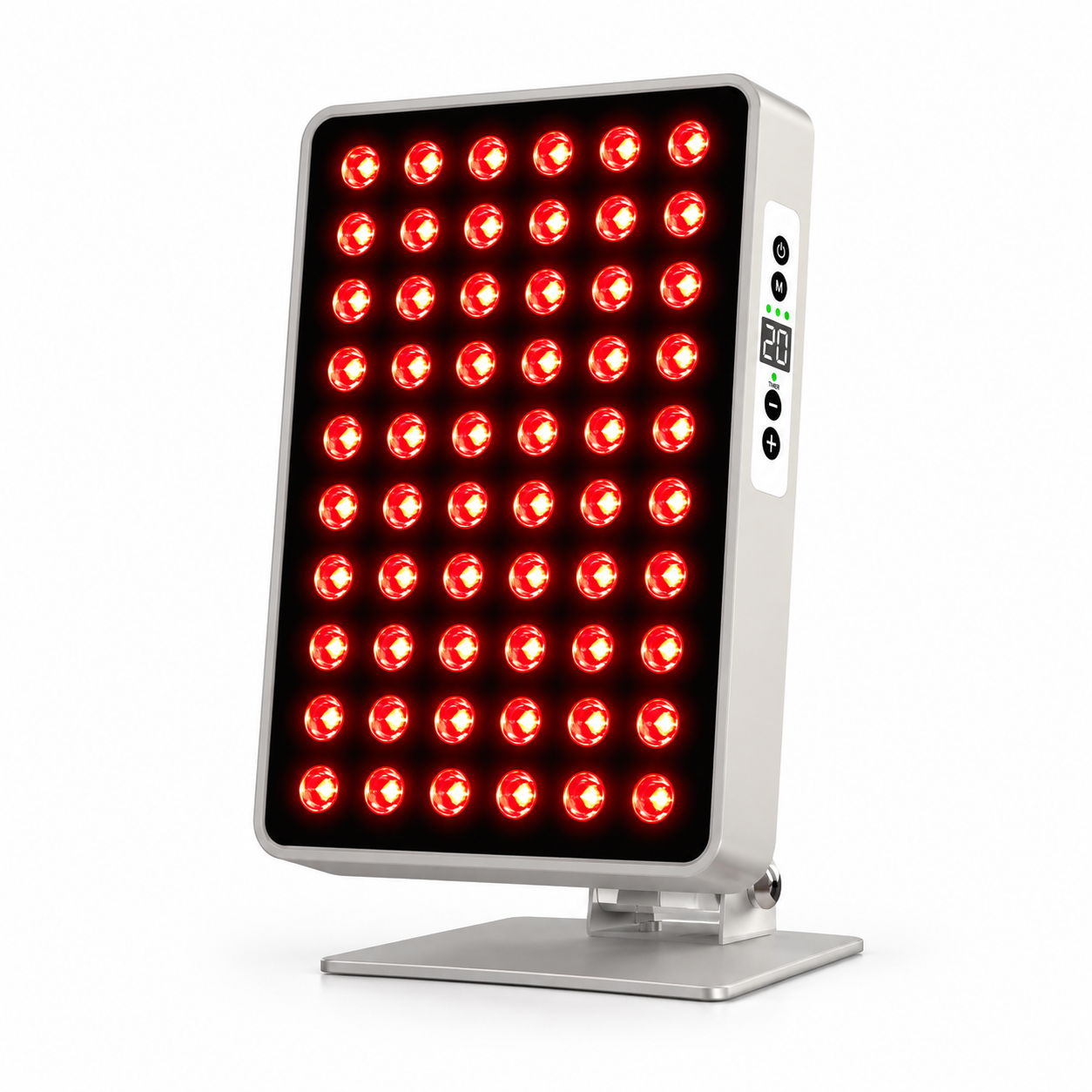
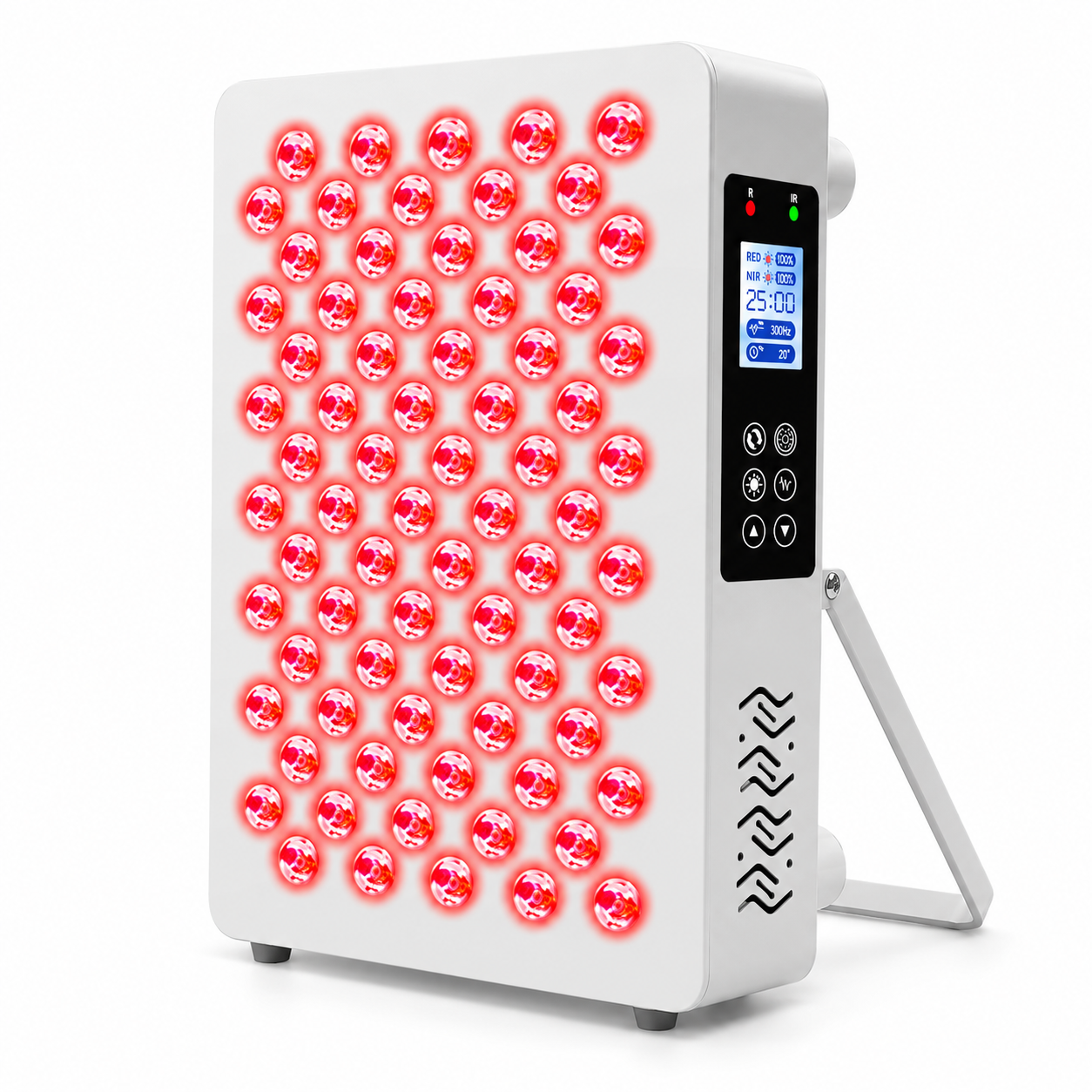
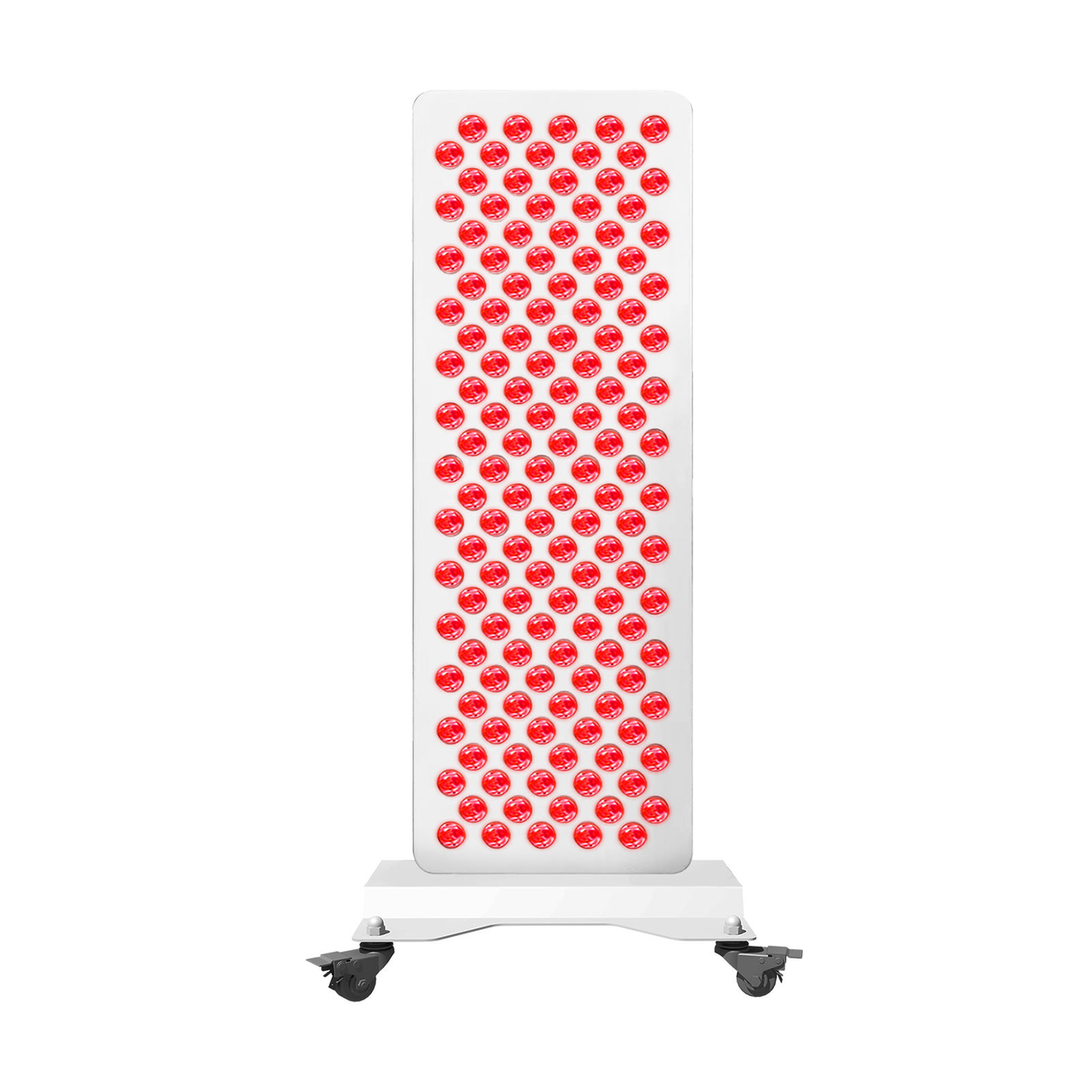
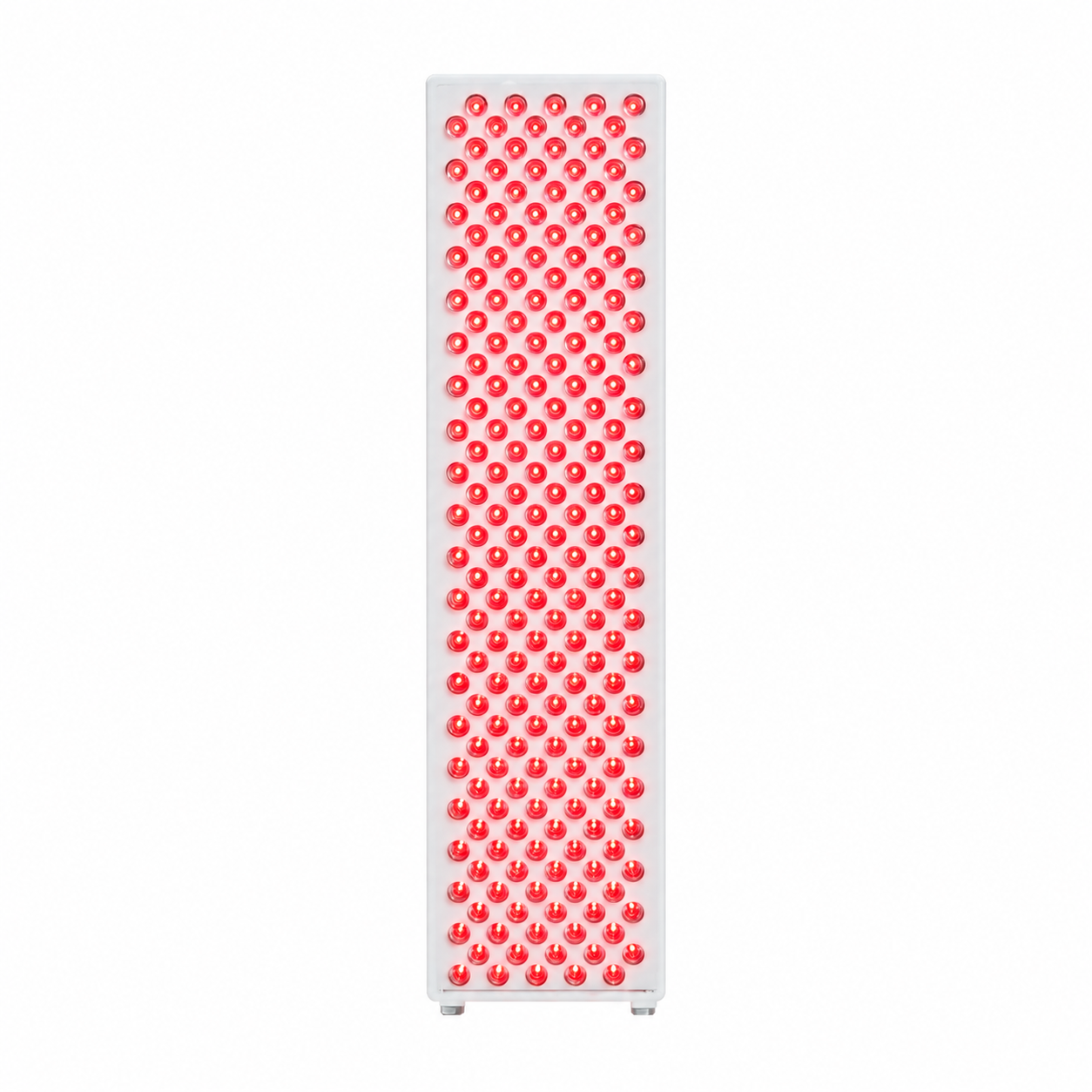
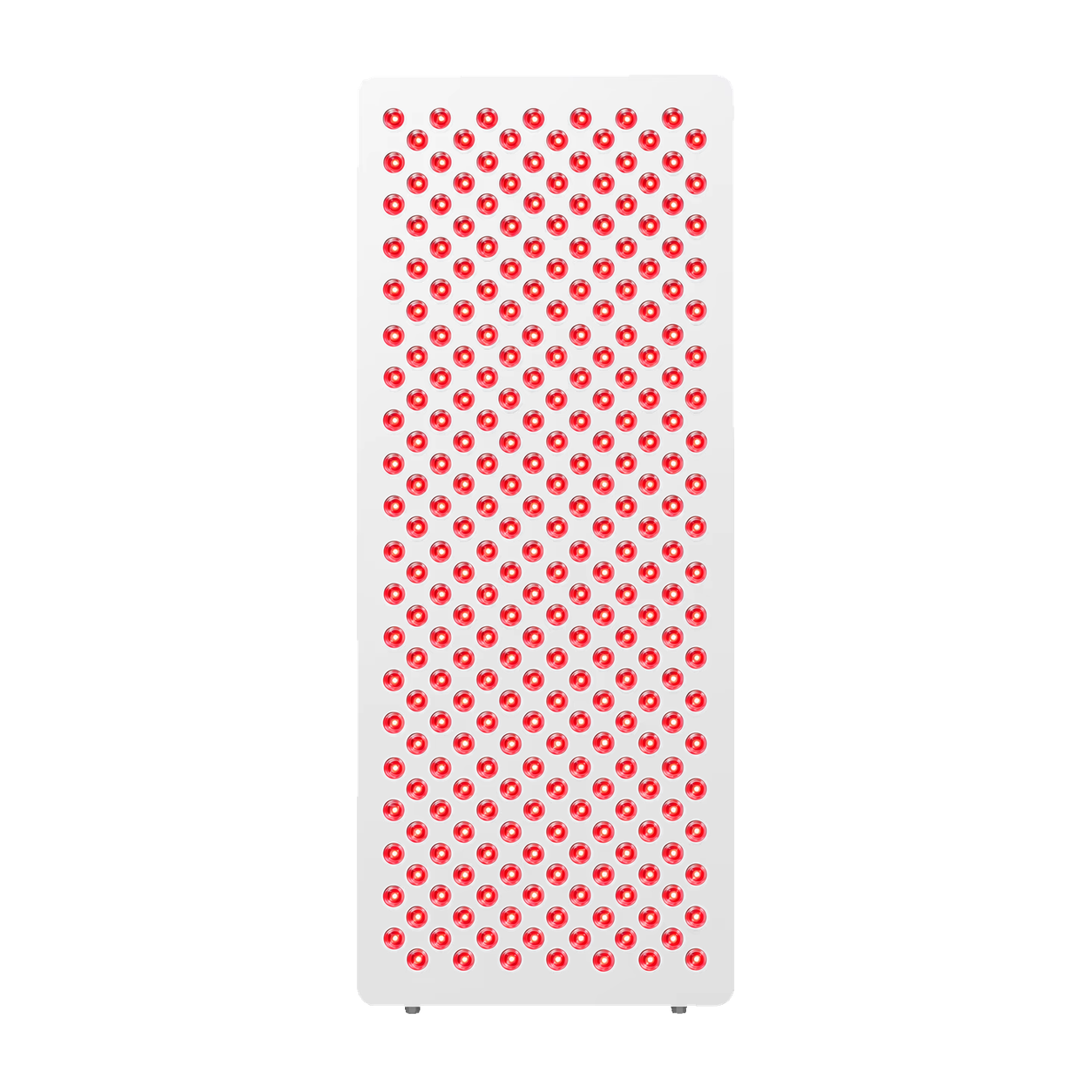
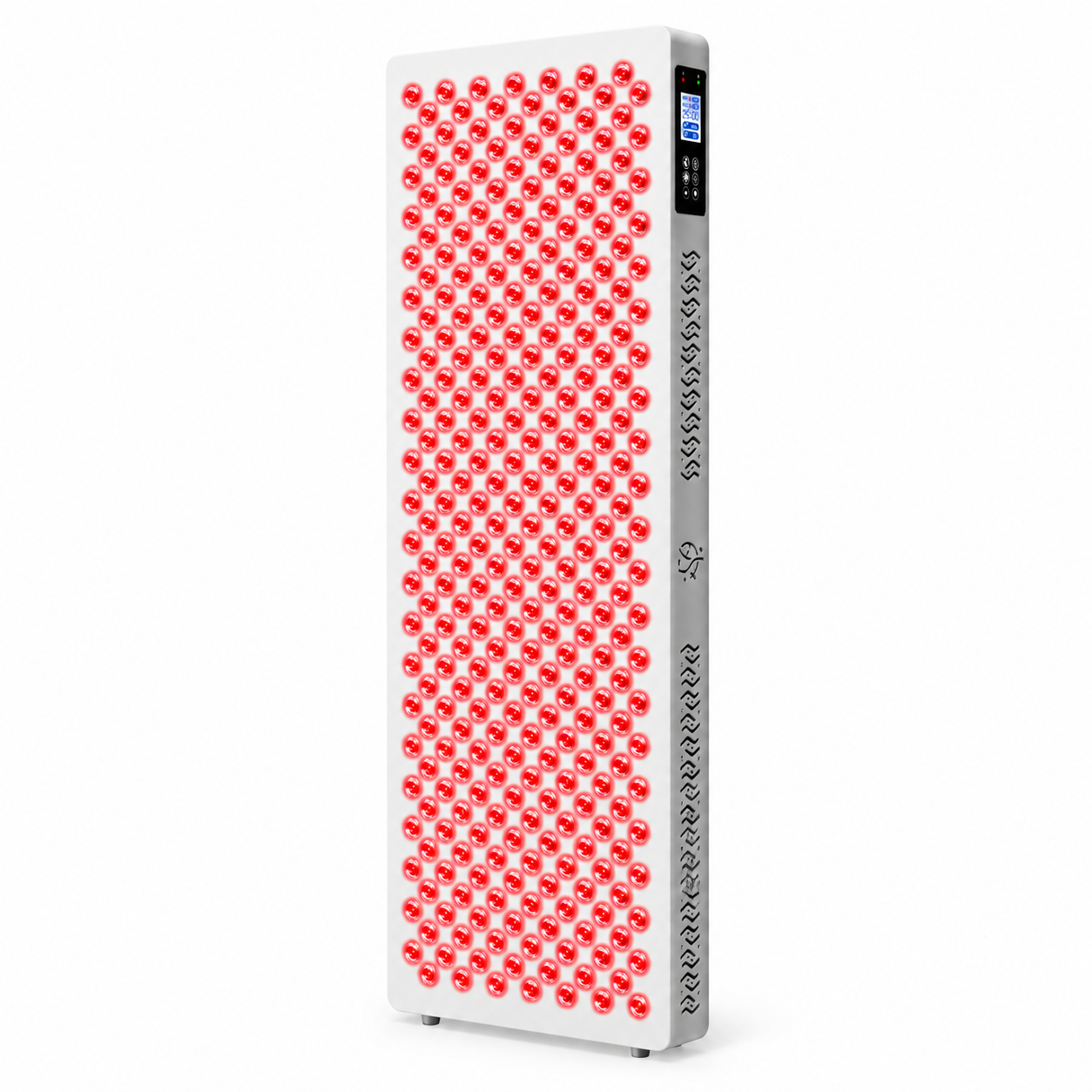
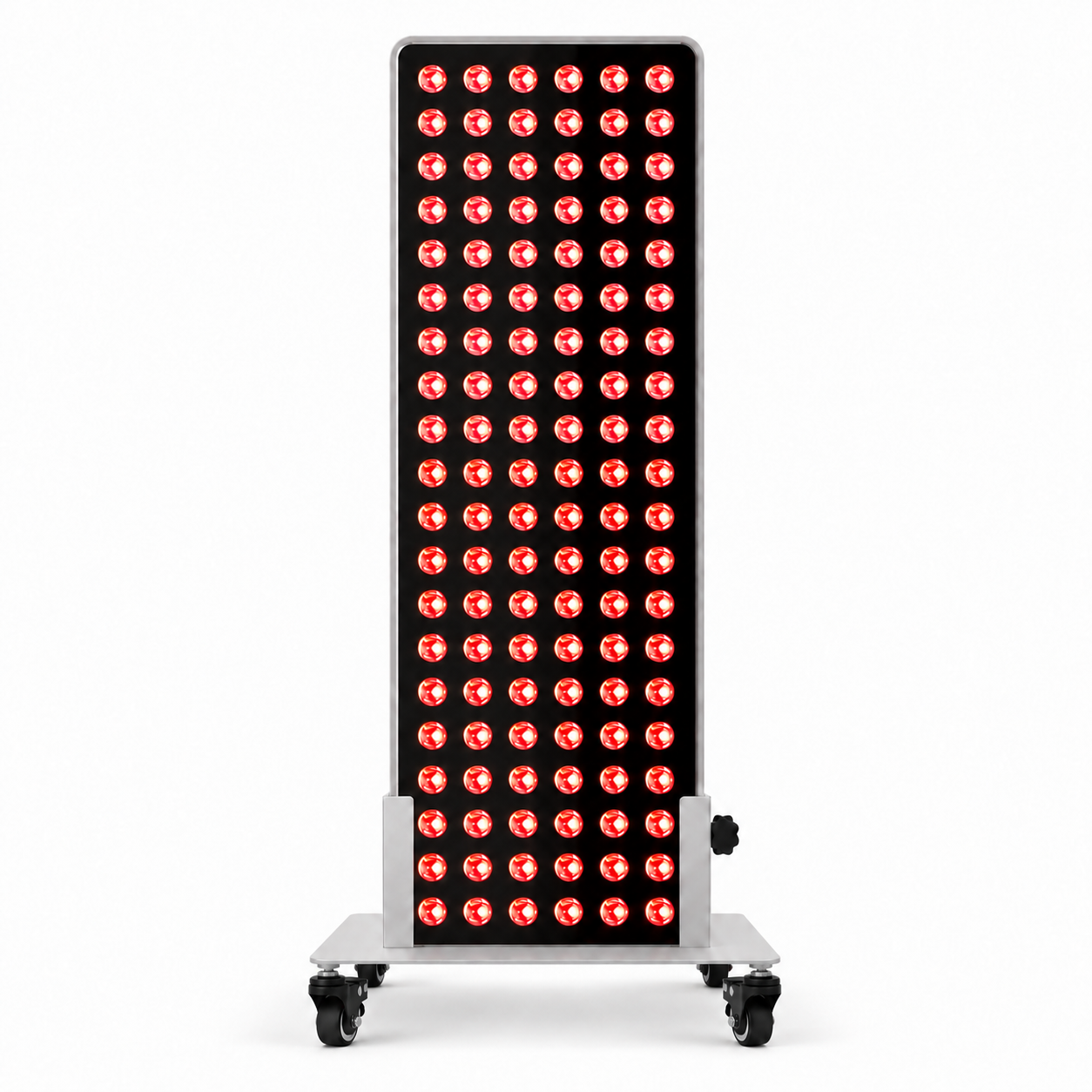
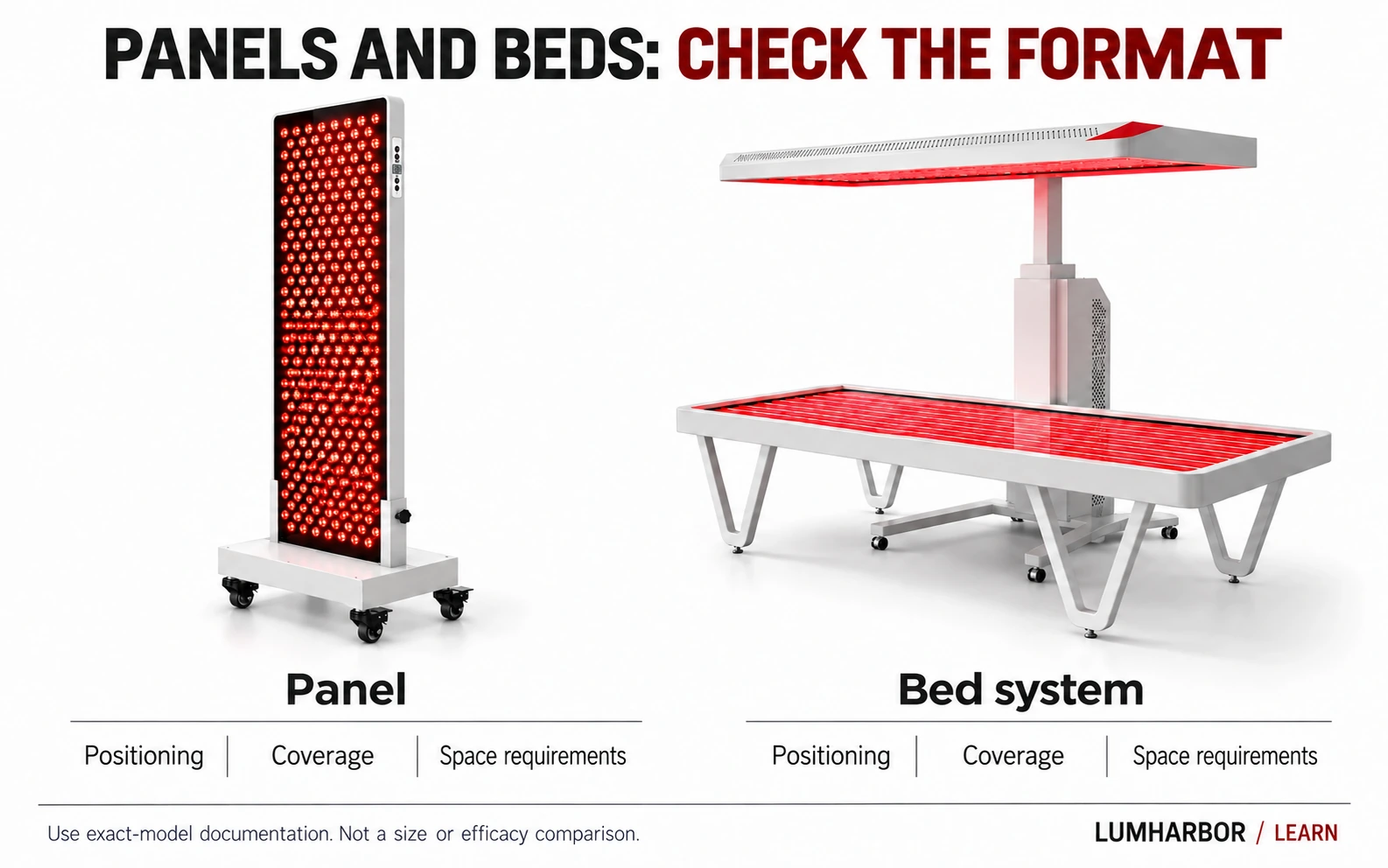
Panels and beds describe equipment arrangements. Positioning, usable area and installed space can differ by configuration; those practical differences do not rank clinical effectiveness.
If you are comparing panels, our panel selection guide includes a worked example and purchase checklist. For a lying-down format, the red light therapy bed guide explains layouts and the separate questions for session users and purchasers.
| Question | What to check for a panel | What to check for a bed |
|---|---|---|
| Position and coverage | Supported positions and an exposure-area map with stated measurement conditions | Usable bed area, light-source arrangement, and coverage documentation |
| Space and access | Complete installed dimensions, support or mounting arrangement, and storage needs | Installation dimensions, entry and exit space, delivery access, and applicable electrical requirements |
| Supporting evidence | Exact model, intended use, and the original research behind a specific outcome claim | The same documentation; a whole-body label does not establish a whole-body benefit |
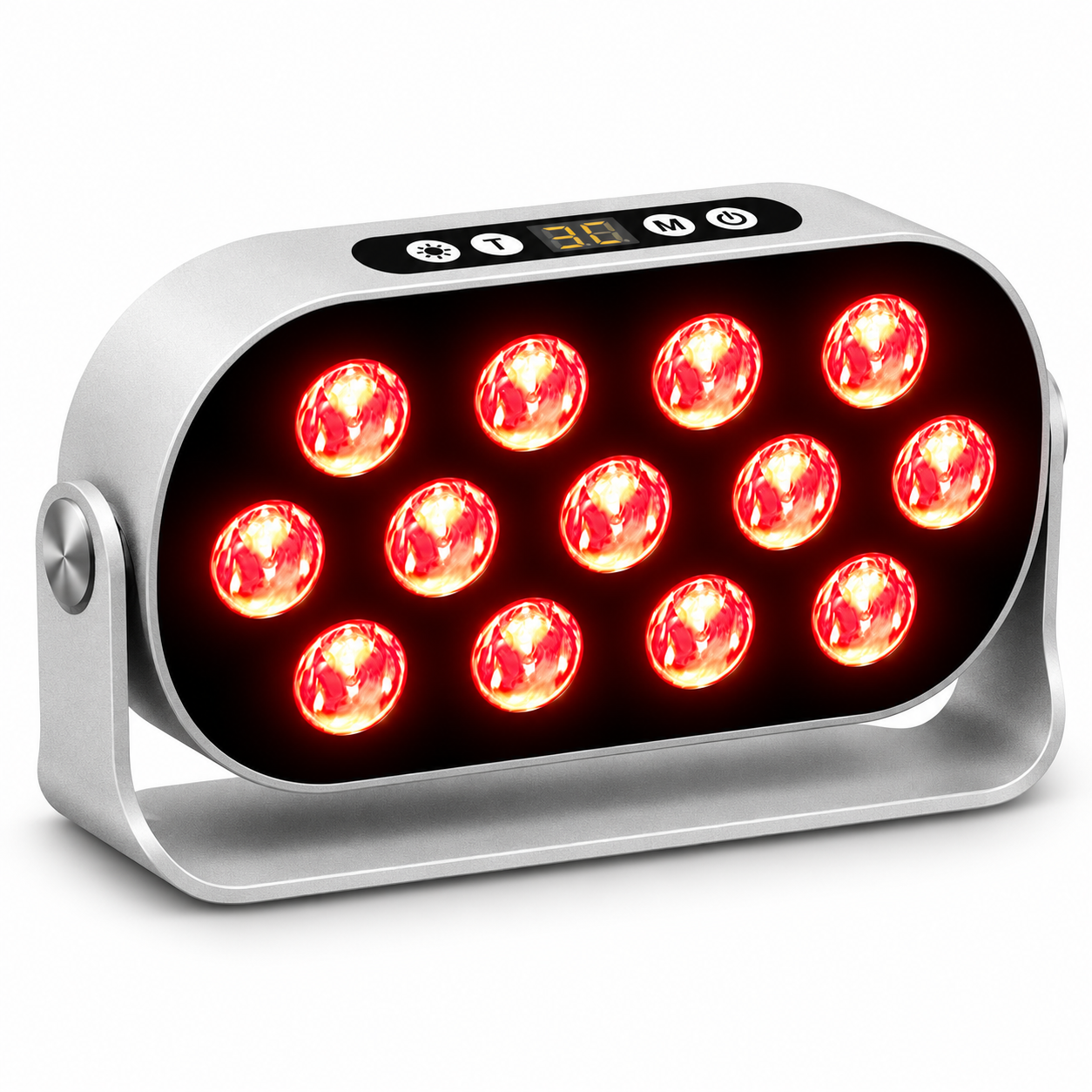
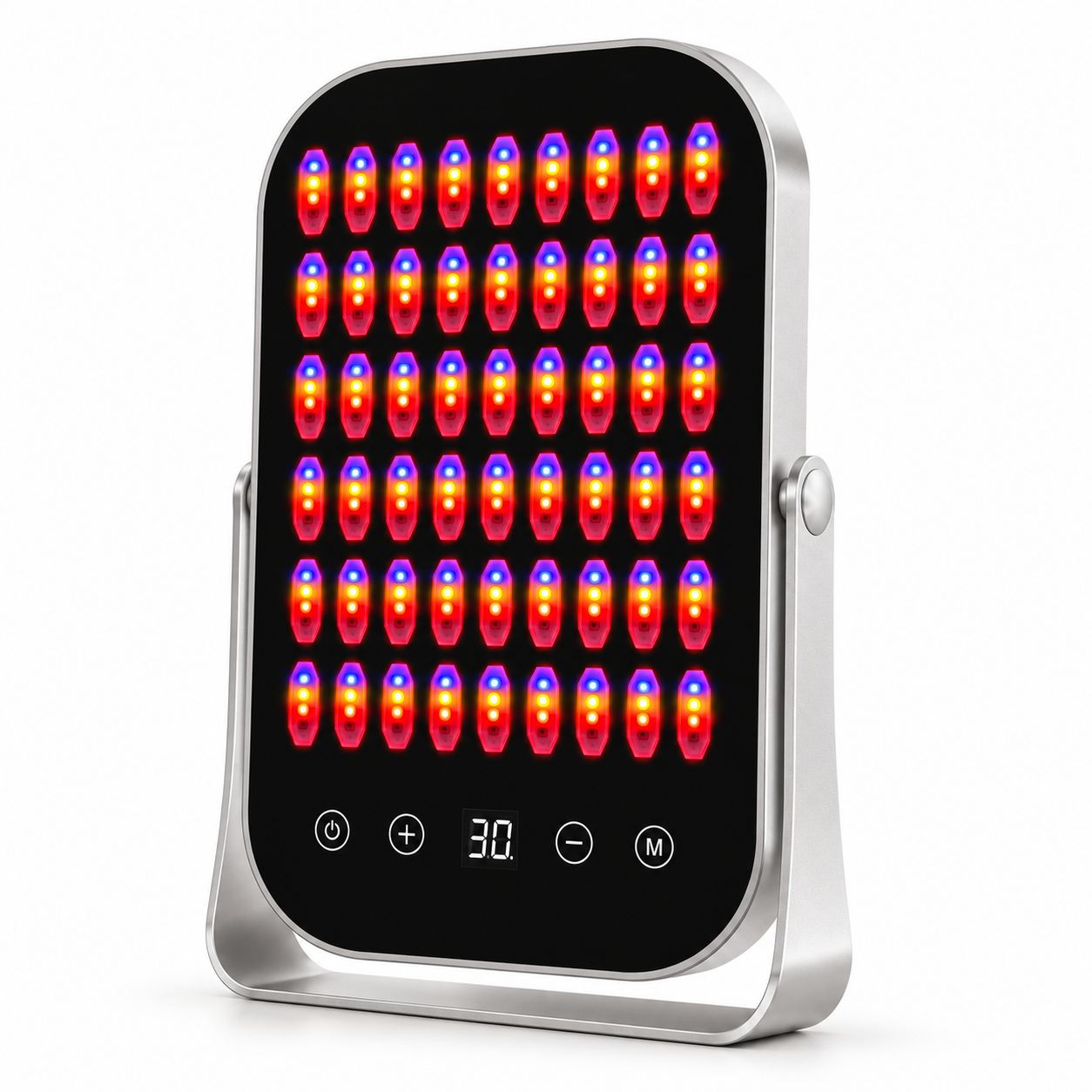
Use the exact-model directions to confirm the complete setup. Housing dimensions alone do not show the light reaching each body area. The LumHarbor panel range provides a starting point for available equipment.
If your comparison also includes a heated cabin, read our red light therapy and infrared sauna comparison to distinguish the intended exposures and the documentation each requires.
Is red light therapy safe for everyone?
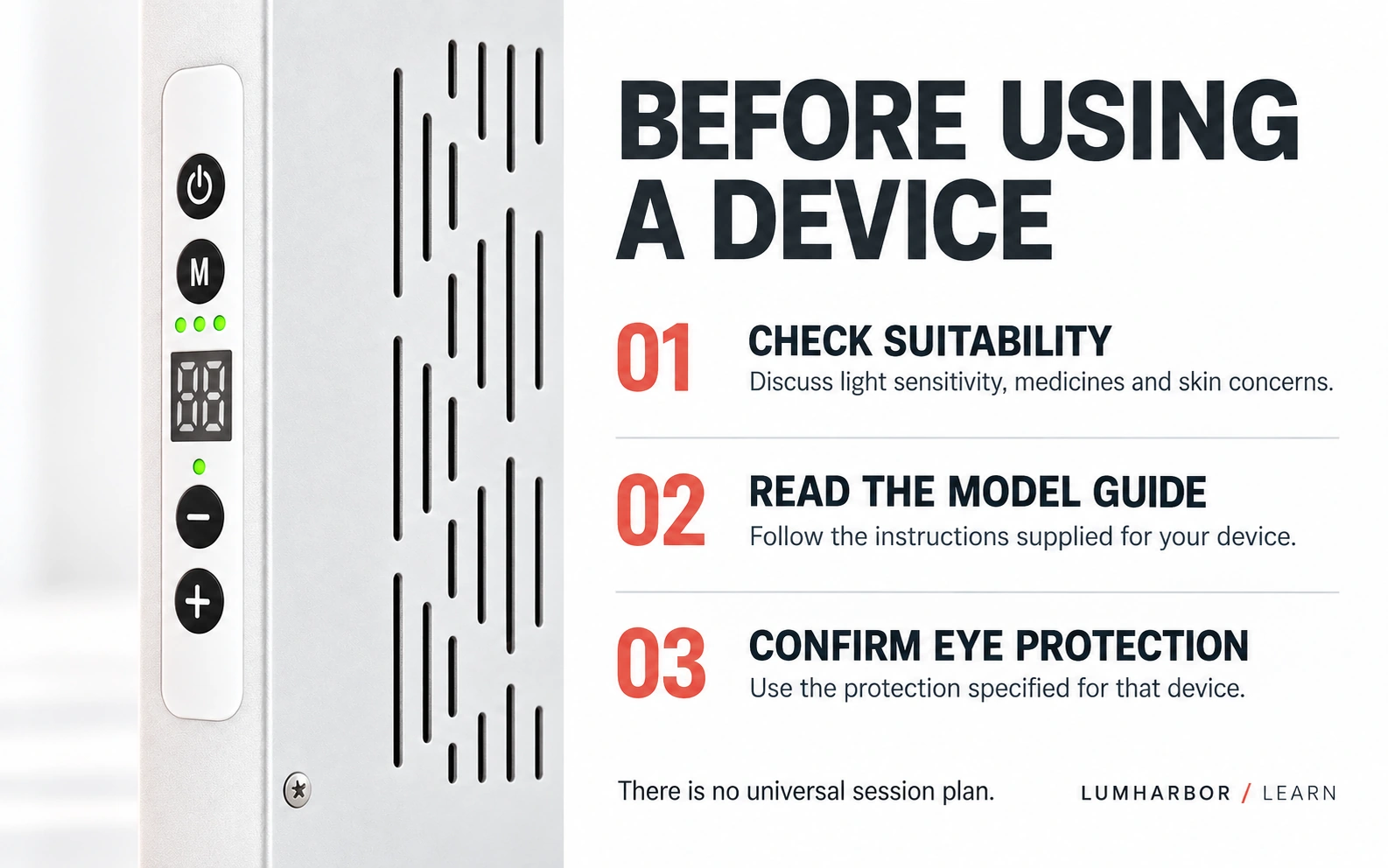
Suitability should not be assumed. The American Academy of Dermatology's guidance recommends discussing light-sensitive skin conditions and medicines with a dermatologist, following device directions, and using the eye protection those directions specify.
The AAD also advises people with darker skin tones to consult a dermatologist before home use because visible-light sensitivity can raise pigmentation concerns. This is a precaution, not a blanket ban by skin tone. Long-term effects remain uncertain, and temporary irritation or mild pain can occur.
Research exclusions need careful reading too. For example, a trial that excluded pregnancy or certain skin conditions has not established suitability for those groups; exclusion alone does not prove a universal contraindication. Read the instructions for the actual device rather than borrowing a study's session plan. Our panel safety guide provides a practical follow-up checklist.
What does a regulatory label tell you?
In the United States, FDA registration, clearance, and approval mean different things. The FDA explains that establishment registration or device listing is not product approval. Check the exact device and intended use behind a claim, rather than treating a logo or broad phrase as evidence for every advertised benefit.
This article does not establish FDA clearance or approval for a LumHarbor product. Regulatory status is also not a guarantee of an individual result.
Frequently asked questions
How long does red light therapy take to work?
There is no timeline established here that applies to every device, person, and outcome. The AAD notes that results take time and not everyone sees them. Follow the exact device's guidance and discuss realistic expectations for your concern with a qualified clinician; a trial's schedule is not a universal home routine.
Is red light therapy the same as photodynamic therapy?
No. Photodynamic therapy, as described by the National Cancer Institute, uses a photosensitizing drug activated by light. That is a different intervention from ordinary consumer photobiomodulation. Its medical indications cannot be transferred to a home panel or bed.
Does a whole-body device deliver better results?
A whole-body format does not establish superior clinical results. Ask whether the evidence matches the device, population, and outcome, and whether coverage has actually been documented. More nominal area or more listed wavelengths cannot answer those questions on their own.
Start with the question that matters to you
Use the relevant guide to explore your next question: equipment fit, a measurement label, a research outcome or suitability. When a model detail or supplied instruction is unclear, ask LumHarbor for the exact documentation.
About this introduction: Prepared by LumHarbor with AI-assisted research and editing, using selected human studies and official guidance. The examples illustrate evidence interpretation and do not constitute a complete review or a test of a named model. Editorial update: 15 October 2026.