



What Is a Red Light Therapy Bed? Whole-Body Formats, Evidence, and Practical Limits
Oct 14,2026 | LumHarbor
Red Light Therapy Bed — Quick Answer
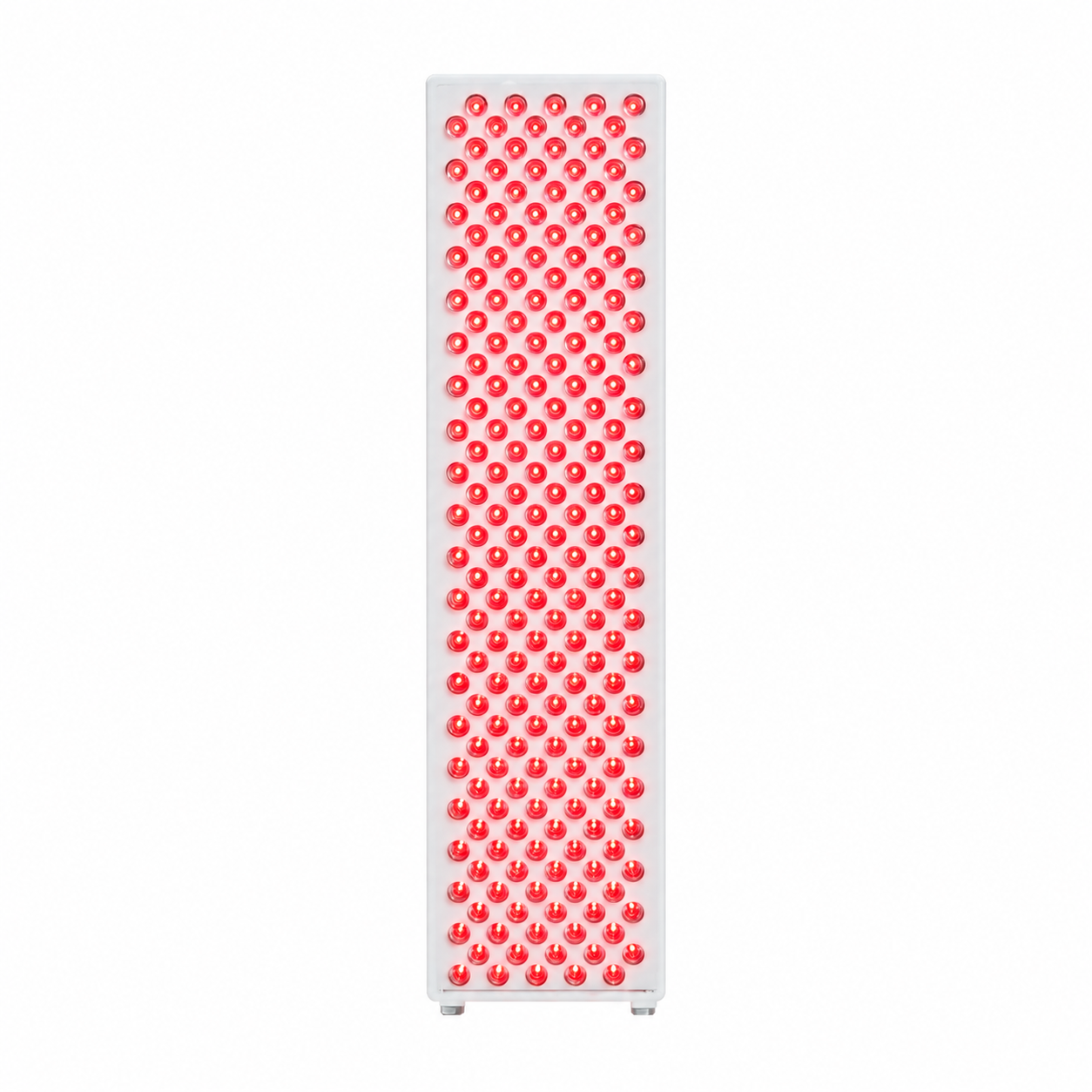
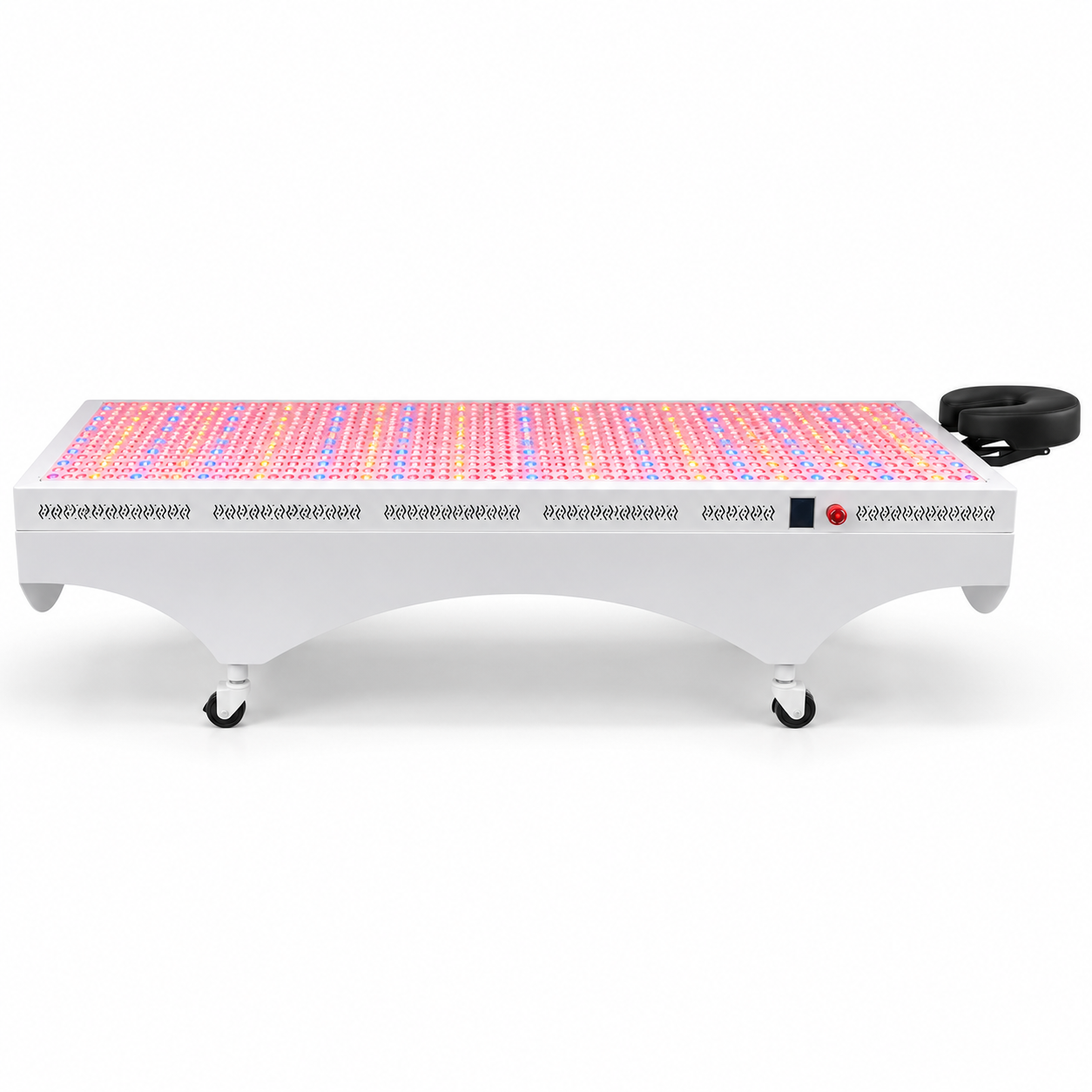
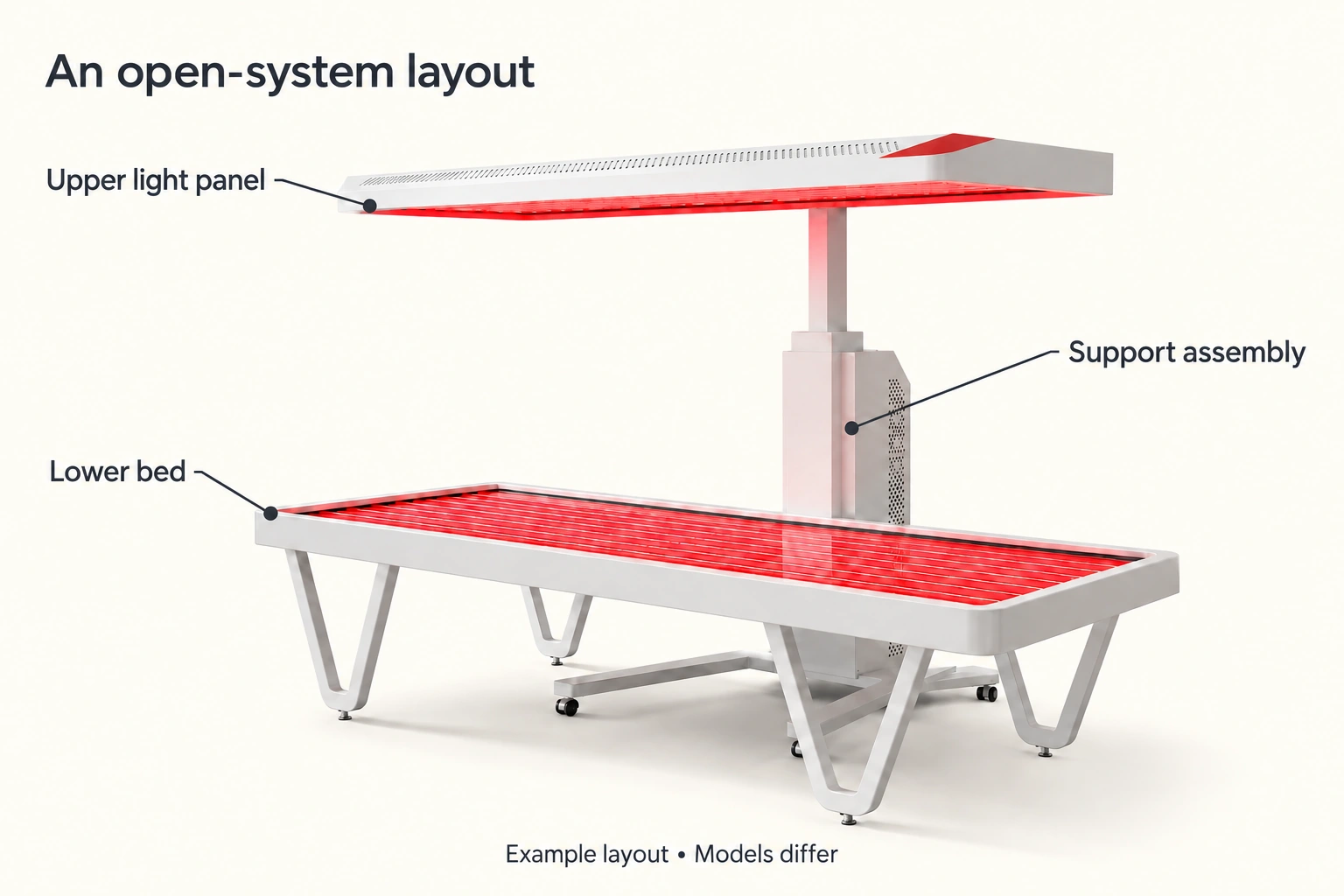
A red light therapy bed is a large-format device designed to expose broad areas of the body to red and/or near-infrared light while the user lies down. Some designs place light sources above and below the body; the exact layout varies. The bed format describes how light is delivered, not a proven level of benefit. Whole-body human studies have reported different findings for different populations and outcomes, so evidence for a particular condition or device cannot establish what every bed will do. Before a session, identify the exact equipment, obtain its directions, and ask about suitability, eye protection and access. There is no single routine established here for all beds.
What does the bed format actually mean?
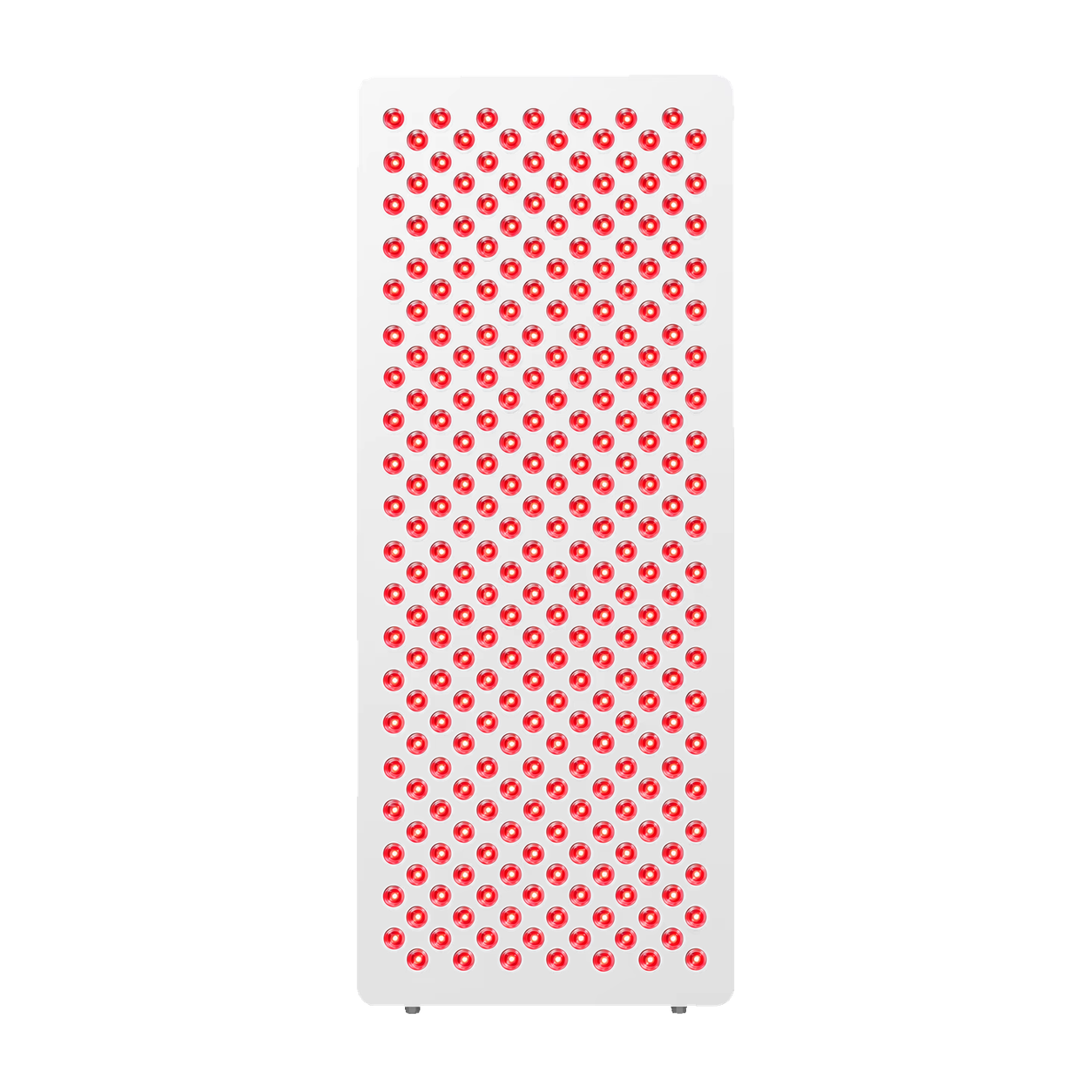
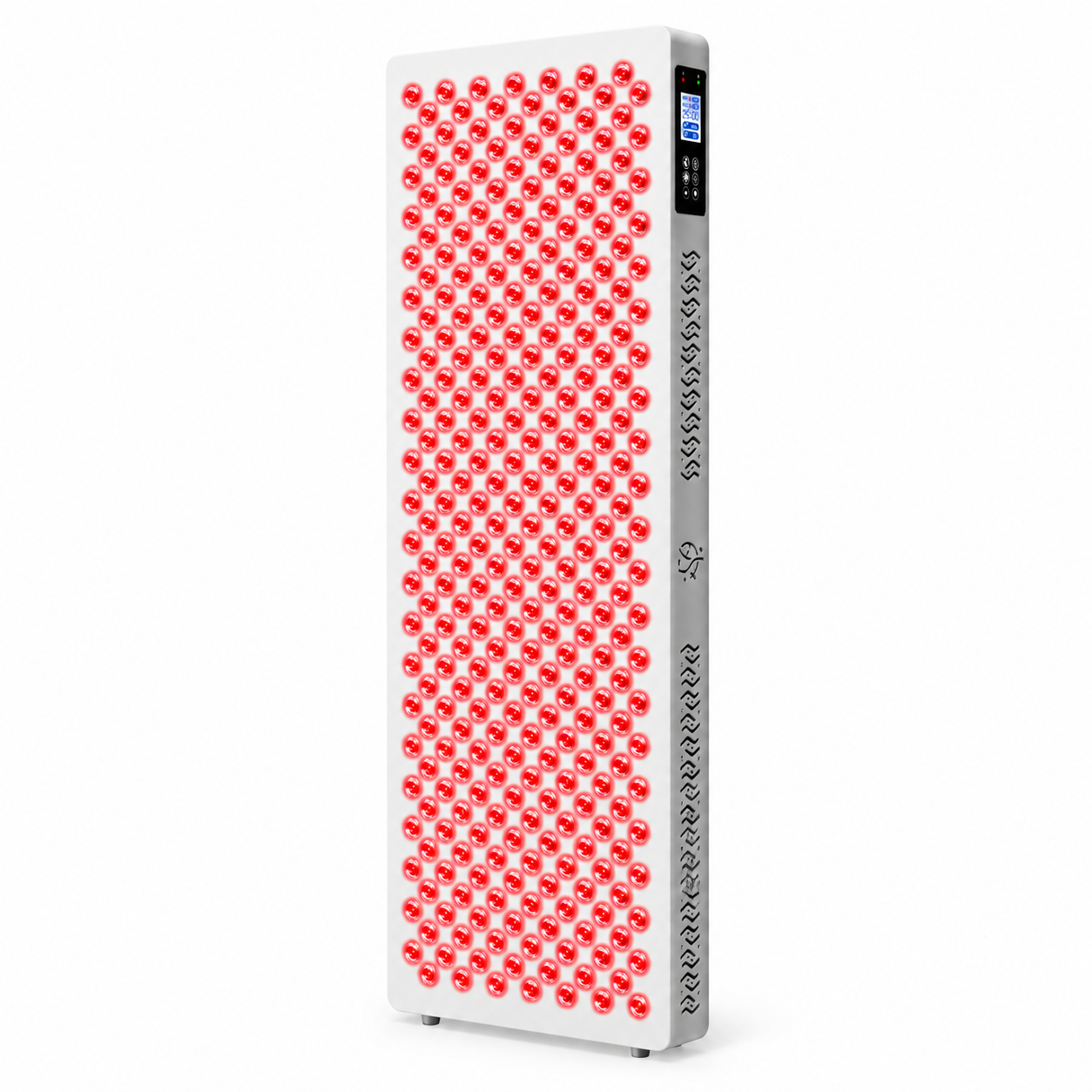
The defining feature of a red light therapy bed is the lying-down arrangement for large-area exposure. An open system may combine a lower bed with an overhead light panel; another design may use a more enclosing canopy. The name alone does not tell you which surfaces emit light, how the user is positioned, or whether the device has additional light sources or functions.
Red and near-infrared are different light categories. Near-infrared lies outside visible vision, as NASA's spectrum explanation describes. A red glow cannot confirm the complete emission spectrum. Ask for the actual device documentation rather than assuming everything marketed under the same name has identical wavelengths or is UV-free.
For the broader explanation of photobiomodulation and why a biological mechanism is different from a demonstrated benefit, start with our red light therapy introduction.
Whole-body coverage is not the same as uniform exposure
With a red light therapy bed, “whole-body” describes the intended scale of exposure. It does not establish that every anatomical area receives the same amount of light. The layout of the sources, the user's position and the relationship between the body and the emitting surfaces still matter.
Research on light measurement explains why readings need relevant target geometry and why a central measurement does not necessarily characterize an entire illuminated area. That principle is a reason to ask for appropriate measurements; it does not establish that any particular bed is uniform or nonuniform.
Ask where an irradiance figure was measured, under which settings, and whether readings describe more than one position. Our irradiance guide explains how to interpret a point reading and an area average. These measurement questions are separate from evidence of a clinical result.

What does red light therapy bed research show?
The useful question is what happened in a particular population, with a particular intervention, on a particular outcome. A skin result from a local device, a physiological marker after exercise and pain scores in a diagnosed condition answer different questions.
The examples below illustrate that distinction. They are a targeted selection, not a systematic review of every whole-body study or a catalogue of benefits.
| Human research example | What was reported | What it cannot establish |
|---|---|---|
| Twelve trained men after high-intensity resistance exercise | No significant between-condition difference in creatine kinase or salivary IL-6 across the measured periods | That every recovery outcome is unaffected, or that all beds are equivalent |
| Forty-eight healthy active adults performing repeated anaerobic cycling | Higher next-morning rMSSD, a heart-rate-variability measure; no improvement in power output, lactate or perceived recovery | A useful overall recovery benefit or better sporting performance |
| Women with fibromyalgia in a placebo-controlled bed study | Authors reported selected pain and quality-of-life improvements; pain superiority was not significant at three months | Established treatment benefit, relief at every follow-up, or results for healthy users and other equipment |
The resistance-exercise trial and cycling trial are described here within their publicly available abstracts. A nonsignificant result is not proof of equivalence, and one favorable physiological measure does not settle whether a person will recover better.
The fibromyalgia report deserves particular caution. It contains inconsistencies in participant counts, treatment duration and optical-parameter reporting. It also has manufacturer employment and financial ties, and baseline differences between groups. Confidence in a treatment-benefit inference is low. Its reported findings should not become a session prescription or a promise about another bed.
These examples concern different populations and outcomes; they cannot be counted as votes for an overall verdict or validation of a LumHarbor model. For the wider exercise context, our muscle-recovery evidence guide separates local, whole-body and combined interventions.
Beds and panels: compare the physical arrangement
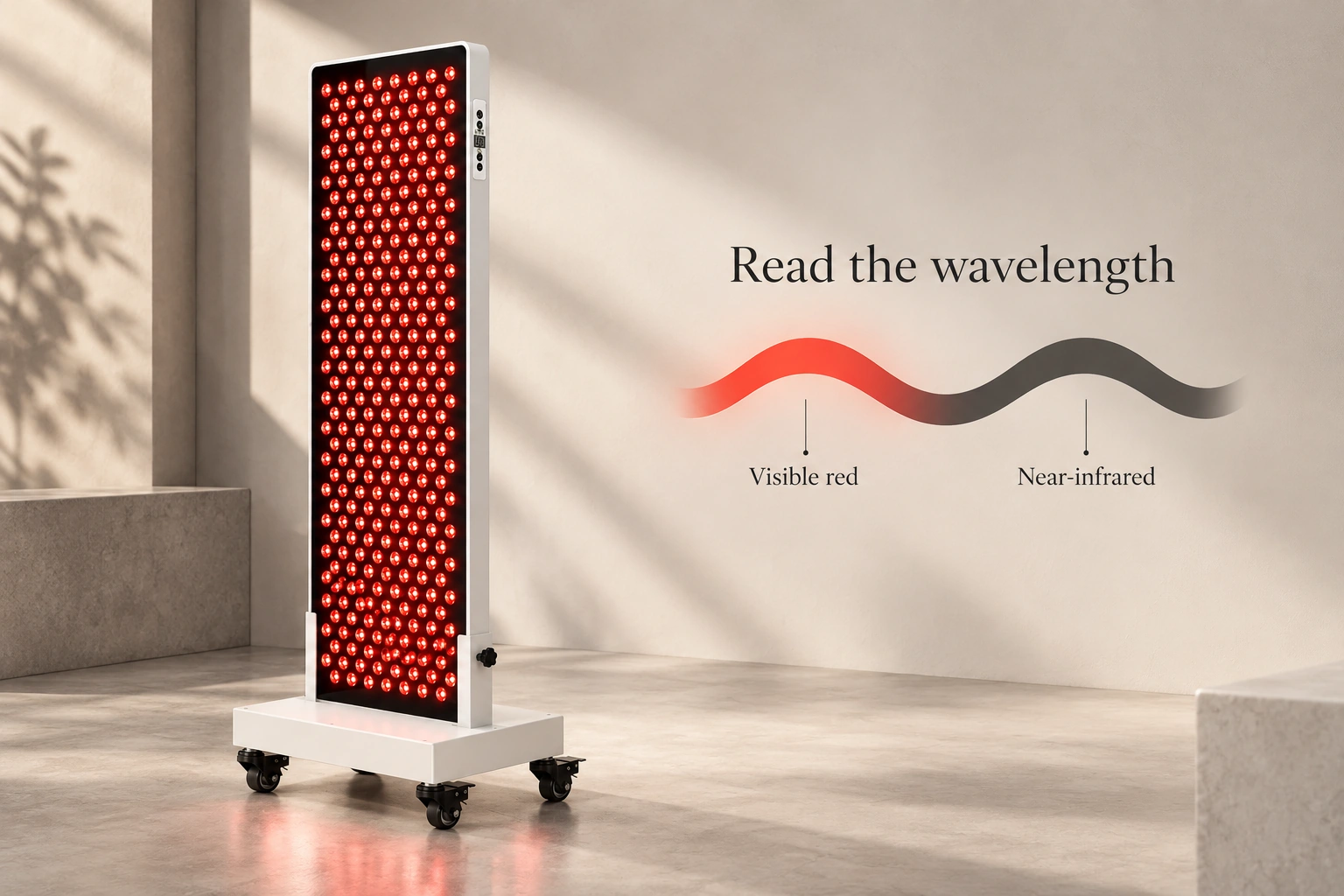
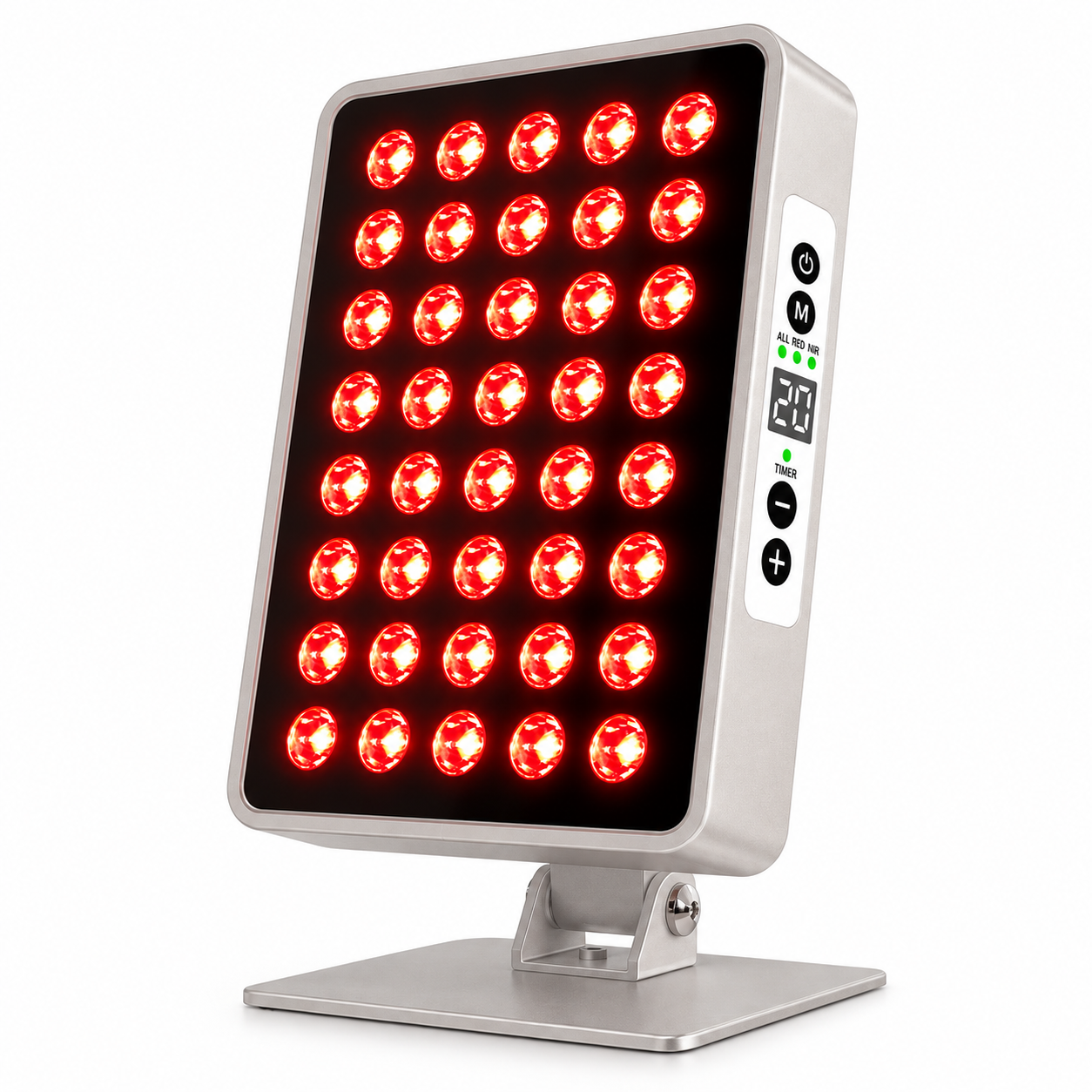
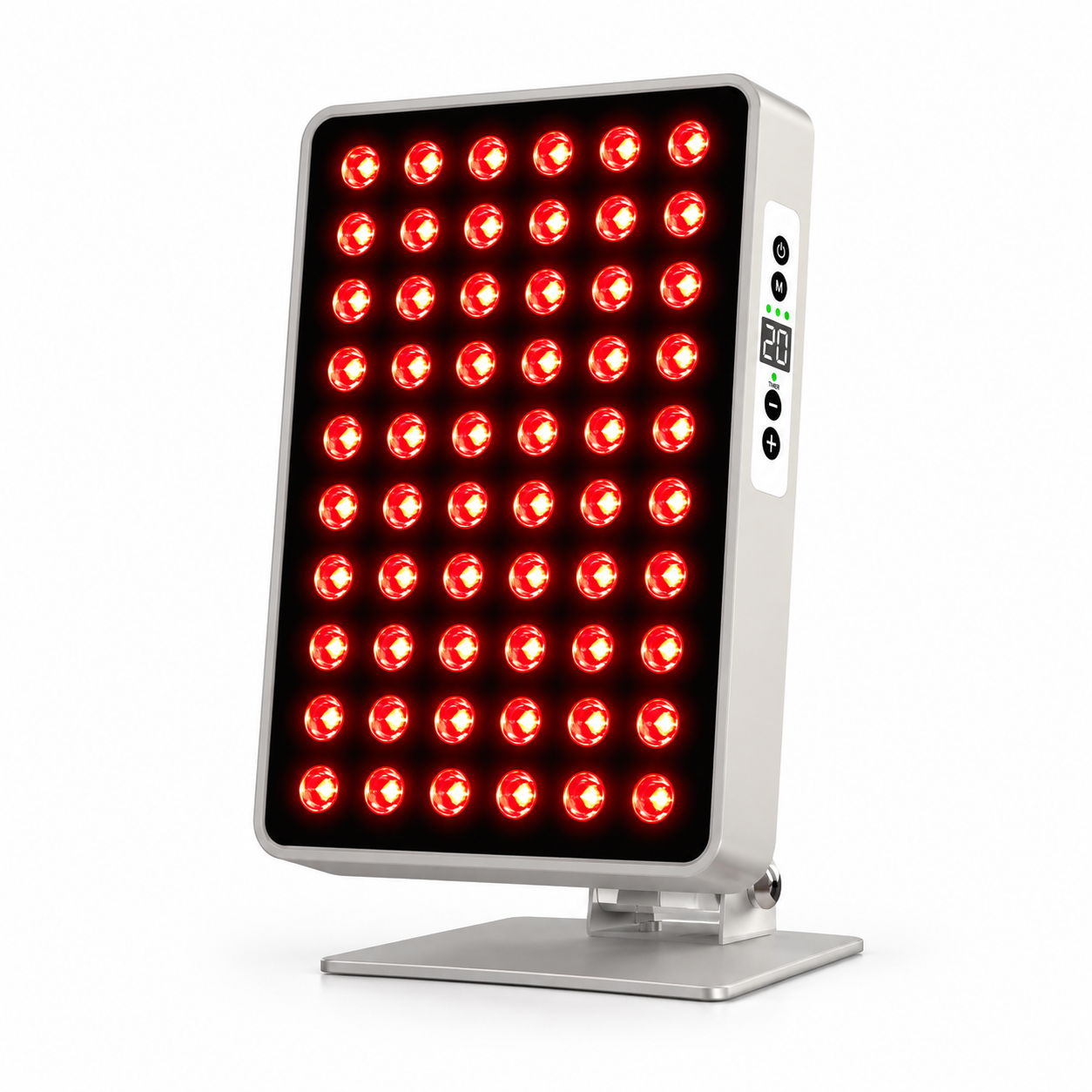
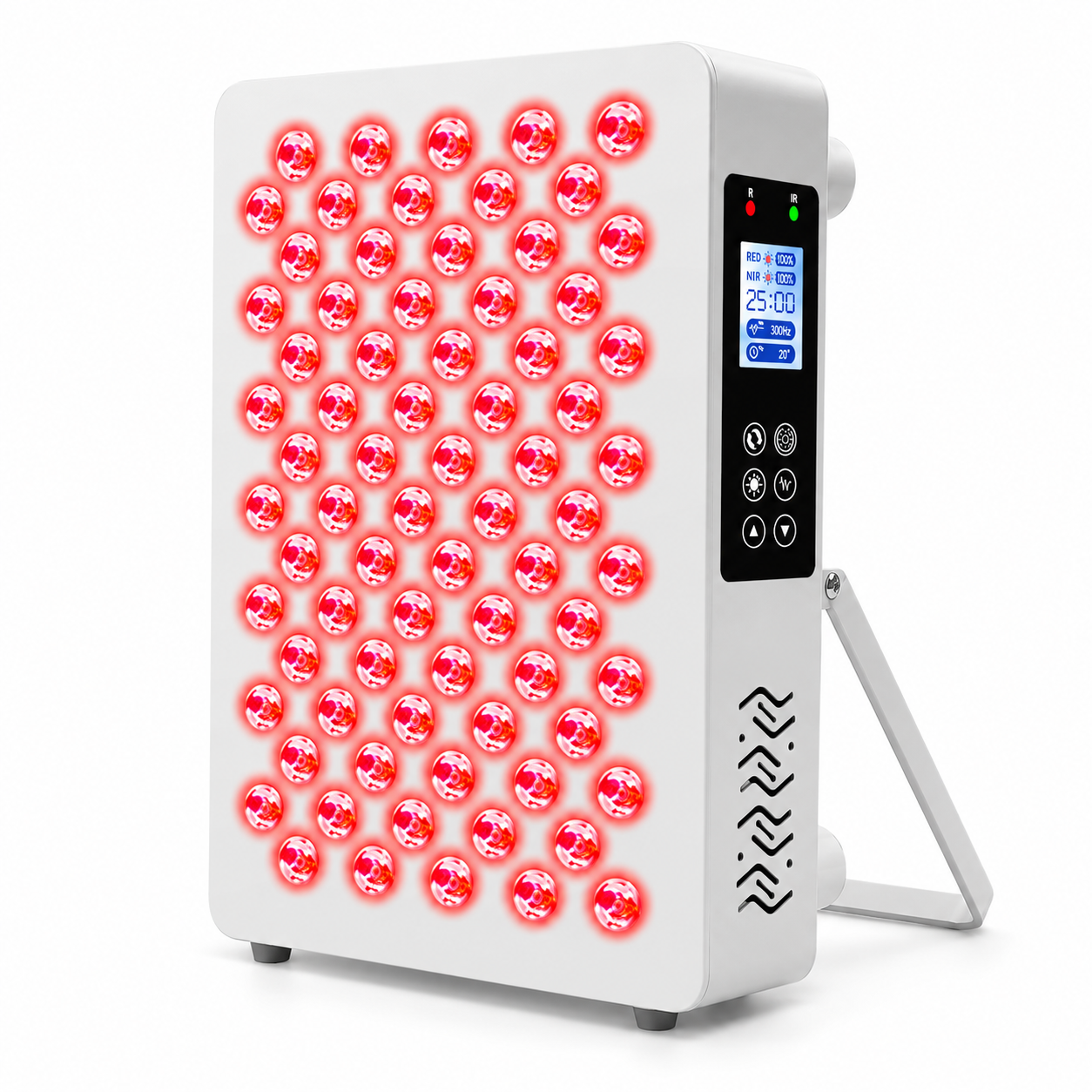
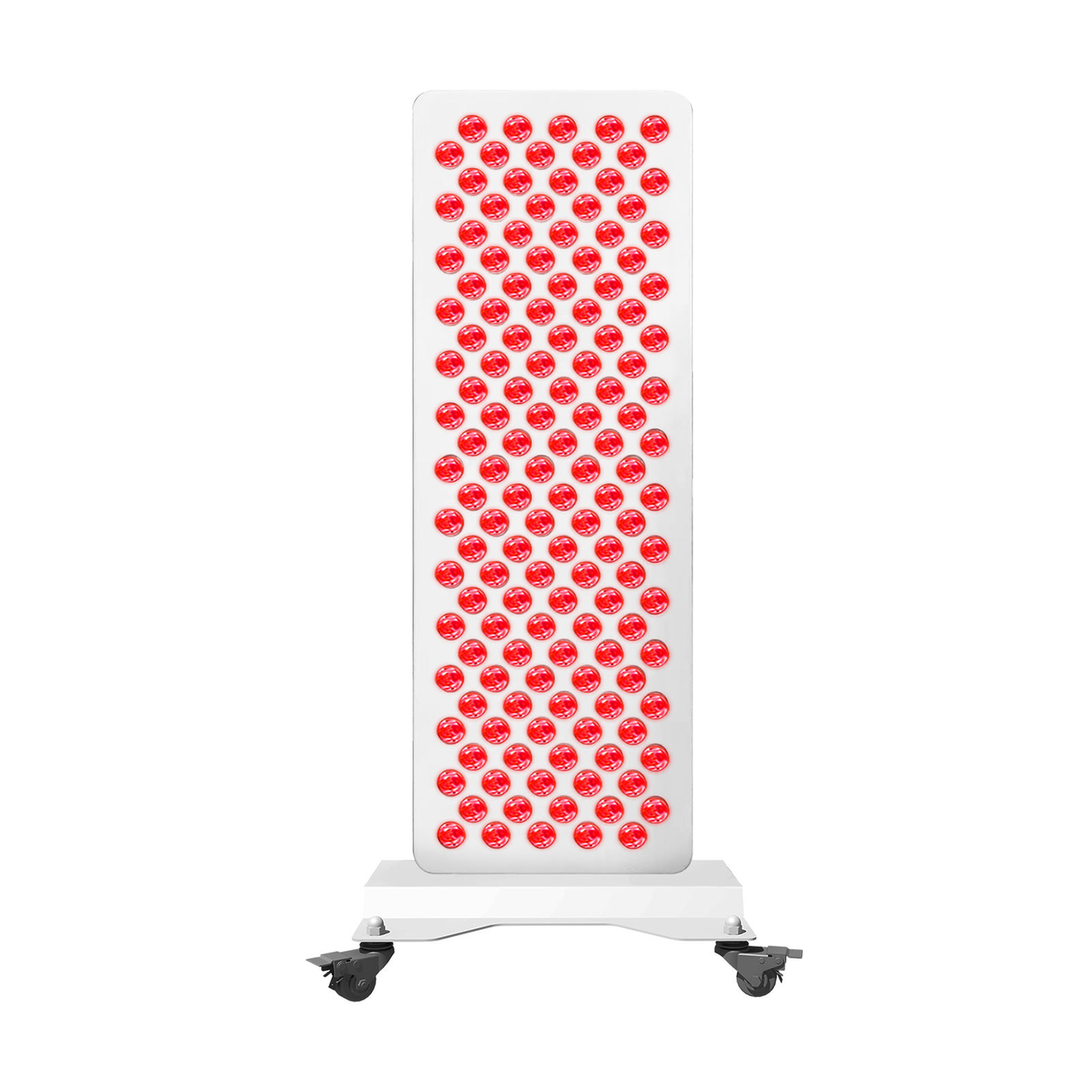
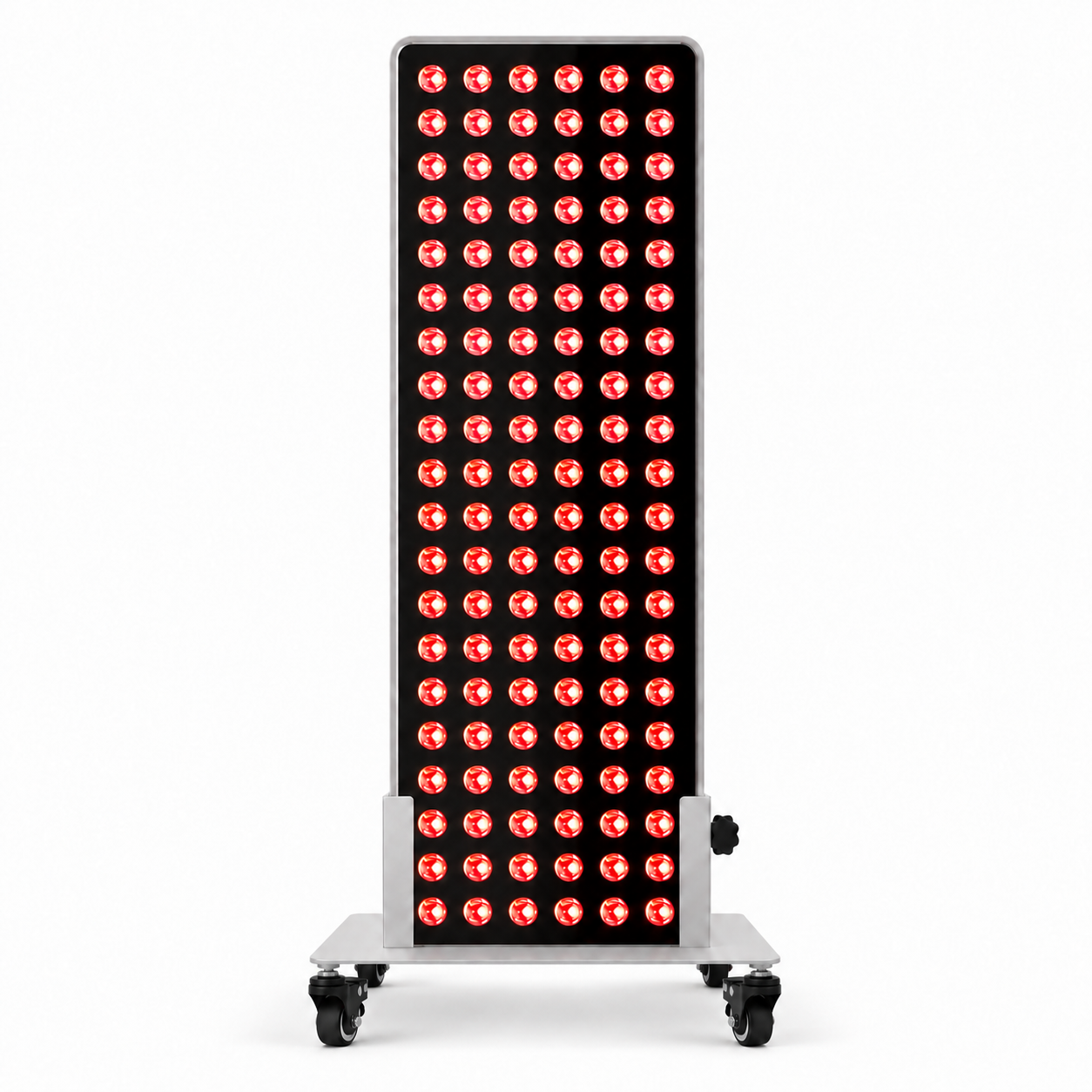
A bed may suit someone seeking a lying-down setup. A panel is a different arrangement whose mounting, orientation and intended positioning depend on the model. Compare how each setup accommodates the person and the space; the shape alone does not establish stronger treatment, equivalent outcomes or a shorter effective session.
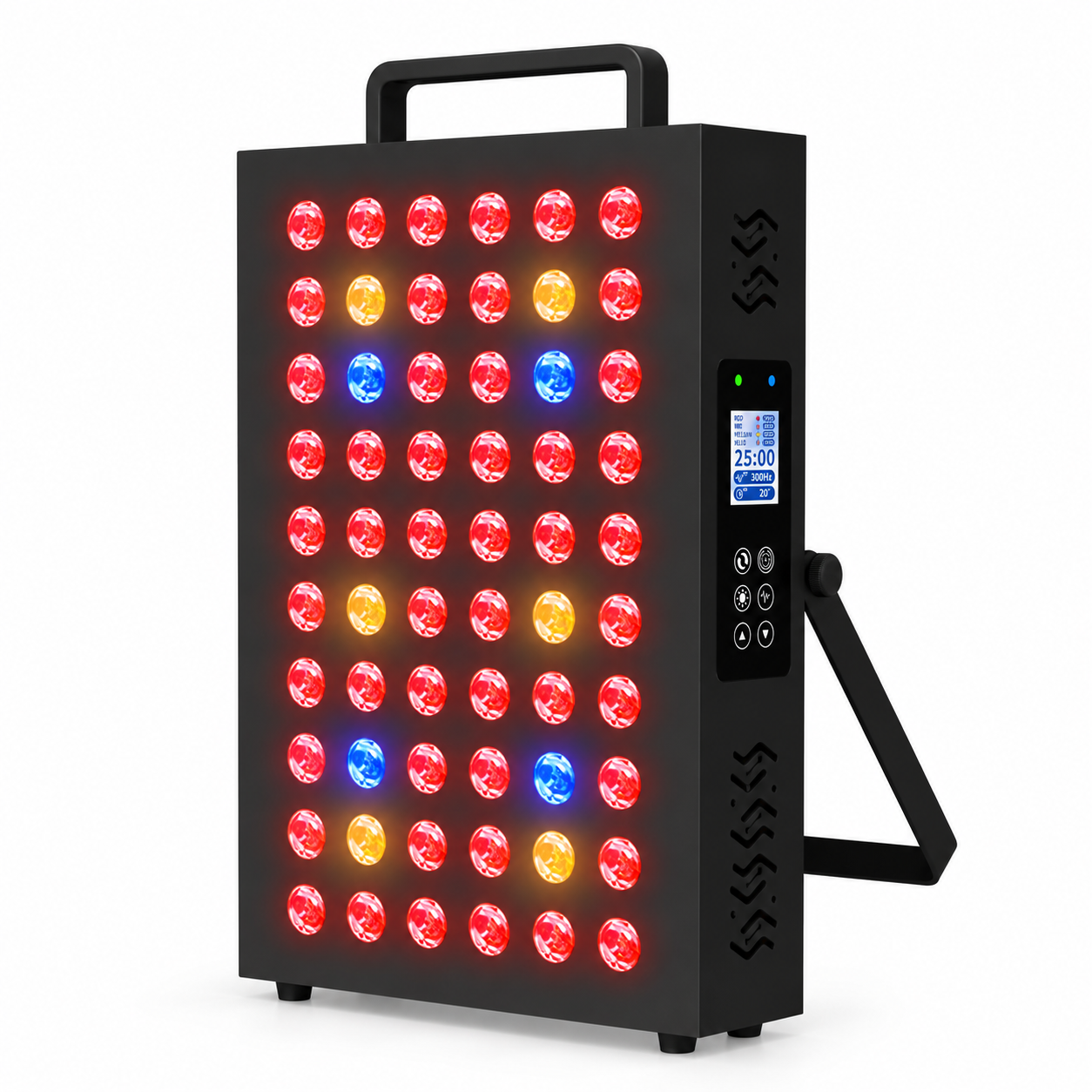
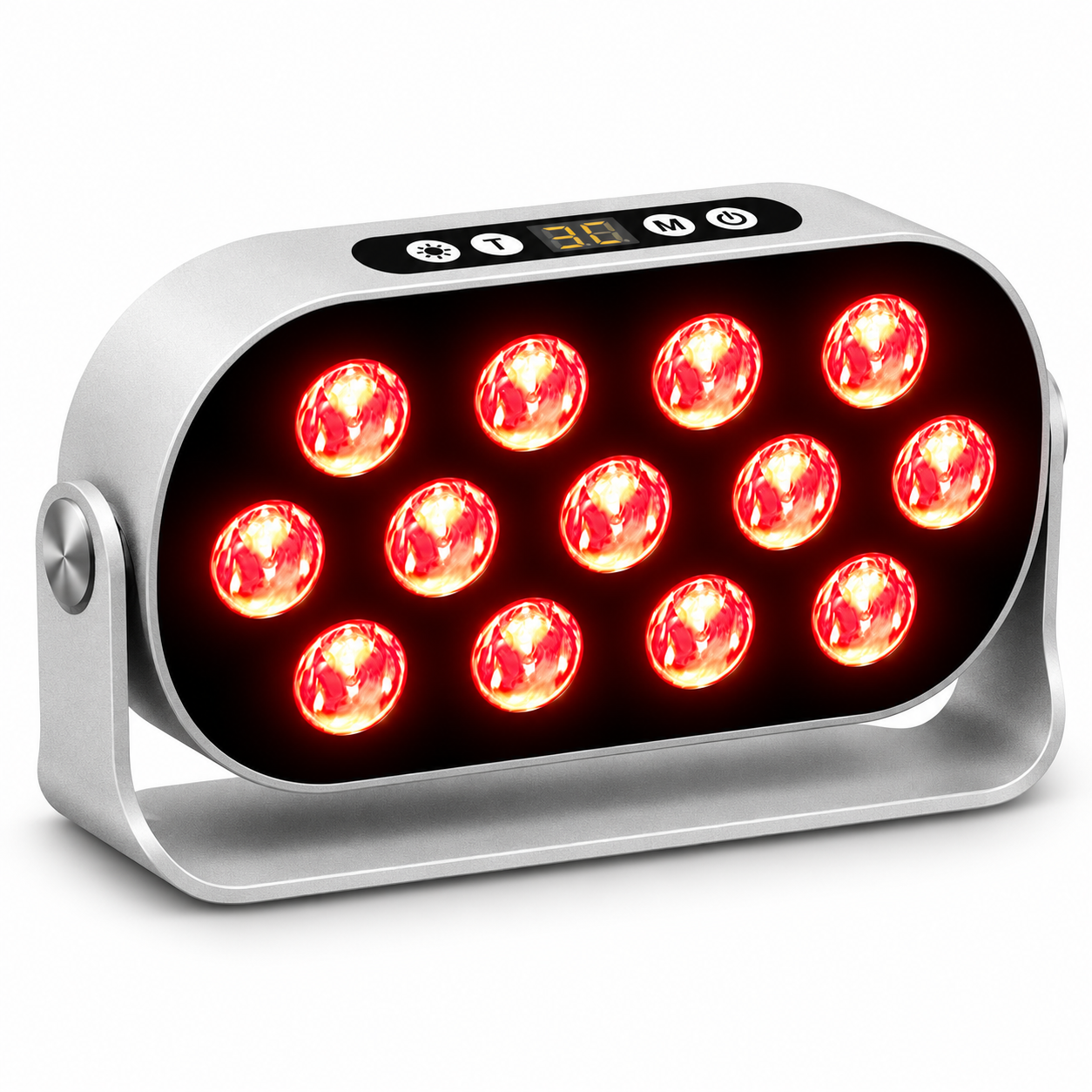
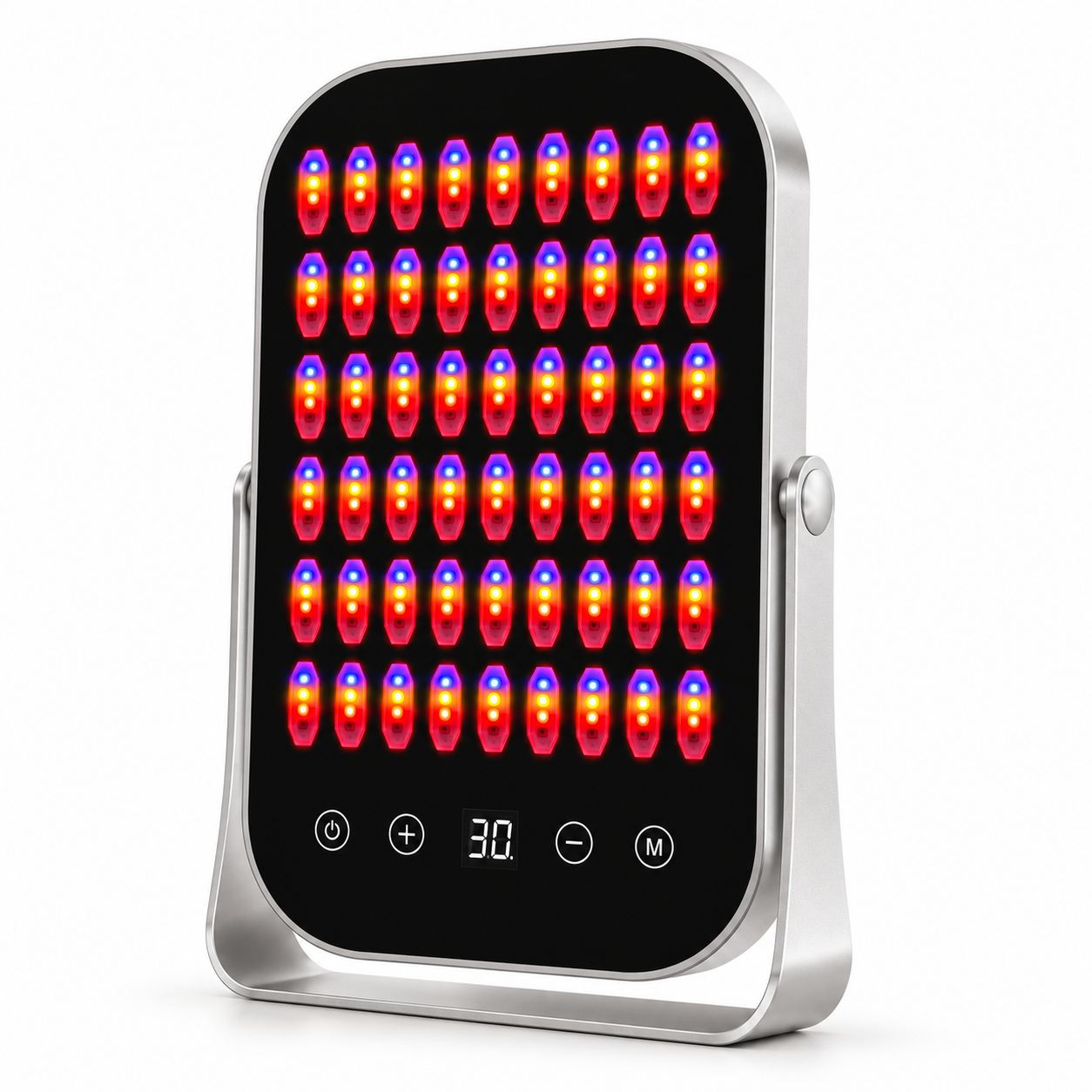
For help separating optical specifications from electrical consumption and checking measurement conditions, see our panel selection guide. Its technical comparison questions can help you read documentation, but its panel context does not supply operating instructions for a bed.
Before your session: identify the equipment and directions
If you are booking or attending a session, focus on the actual bed you will use and what the operator can explain before you start. You do not need to resolve the venue’s delivery plan to ask these personal-use questions.
| Ask before the session | Information to obtain |
|---|---|
| What equipment will I use? | Exact model, intended use, documented light sources and current directions. |
| How is the session arranged? | Model-specific positioning, settings, timing and specified eye protection. |
| Is it appropriate for me? | Relevant exclusions and when a qualified healthcare professional should advise. |
| Can I enter and leave comfortably? | Access arrangement, support, applicable load limit and available assistance. |
Your next step: Identify any unanswered direction, access or suitability question and ask the operator or manufacturer before proceeding. Obtain appropriate clinical advice where needed; a verbal assurance alone does not establish personal suitability.
The American Academy of Dermatology's home-device guidance recommends discussing relevant light-sensitive conditions and medicines with a dermatologist and following the device's directions, including specified eye protection. That guidance concerns skin and home devices; it is not a comprehensive whole-body safety assessment. Use the bed's own directions and seek appropriate clinical advice about personal suitability. Ordinary sunglasses do not replace protective goggles specified by the instructions.
Before buying or installing: check the complete configuration
For a purchase or installation decision, record the ordered configuration and the information needed to accommodate it. The complete installation includes more than the visible bed surface.
| Planning question | Document or detail to request |
|---|---|
| What exactly is supplied? | Ordered model/configuration, light-source arrangement and current directions. |
| Will the installation fit? | Documented footprint and operating clearances, including space to enter, leave, open or service the system where applicable. |
| Can it reach the installation location? | Delivery-access information and the dimensions relevant to the planned route. |
| What support and electrical conditions apply? | Model-specific support/load information and electrical requirements. |
| How is it maintained between users? | Manufacturer-approved cleaning and maintenance instructions. |
Your next step: Compare the supplied documents with the intended location and resolve missing dimensions or configuration details with the manufacturer. These are planning questions, not verified specifications or universal installation requirements for every bed.
Check what regulatory wording actually says
For U.S. readers, “FDA registered” does not mean FDA approved, cleared or authorized. The FDA explains the distinction and states that it does not issue device registration certificates.
Ask for the exact product identity and the record supporting the particular status being claimed. This article does not verify a regulatory status for any named LumHarbor bed. Rules and documentation also depend on the market; a badge alone does not establish what result an individual will experience.
Frequently asked questions
Is a red light therapy bed the same as a tanning bed?
The terms describe different intended light-use categories, but an unfamiliar machine should be identified from its documentation. Do not assume its full spectrum from its appearance, a red glow or the venue offering it. Confirm whether UV or any additional light source is present.
Does lying under more lights mean better results?
No clinical superiority follows from the number of lights alone. Large-area exposure and the result being sought are separate questions. Relevant measurements and human evidence matter more than assuming that a larger system must work better.
How long should a session last?
Use the directions for the exact equipment and the advice appropriate to your situation. A time used in a research study is not a universal consumer routine. This article does not establish a session length, frequency, distance or pulse setting for all devices.
Can I expect the benefits reported for another device?
Those findings describe the studied intervention and population. They do not automatically transfer to a different model or a different health goal. Ask which evidence matches the specific claim, and keep uncertain or unstudied outcomes separate from established product facts.
Choose the checklist that matches your decision
For a session, begin with equipment identity, directions, access and personal suitability. For a purchase, add the complete configuration, installation and maintenance documents. Keep evidence for the desired health outcome separate from both checklists.
About this guide: Prepared by LumHarbor with AI-assisted research and editing, using selected human studies, technical papers and official guidance. The study examples describe their own interventions; the checklists organize questions for the actual equipment. Editorial update: 15 October 2026.